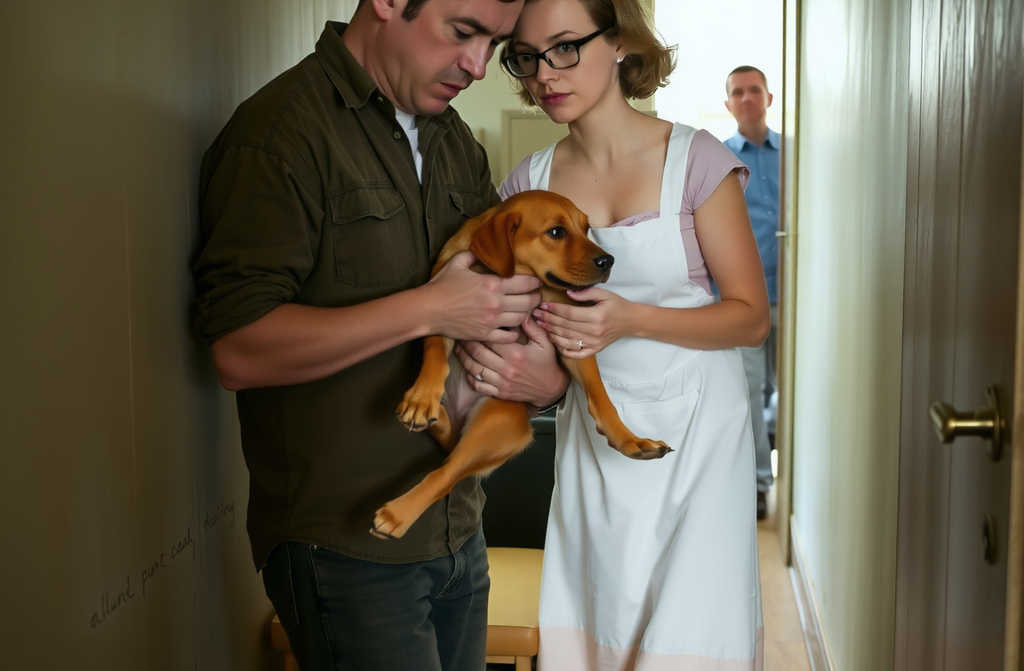
When Valerie married Edward, she was only twentytwo. She was freshfaced, brighteyed, and cradled the dream of a home where the scent of warm apple pie drifted through the rooms, childrens giggles echoed off the walls, and every corner glowed with comfort. She believed that was her destiny. Edward was several years her senior, taciturn and measuredyet in his silence Valerie sensed a steady support. Thats how she felt then.
From the very first day, Edwards mother watched Valerie with thinly veiled suspicion. Her eyes said it all: You are not worthy of my son. Valerie threw herself into the marriage with all her vigorcleaning, cooking, trying to fit in. Still, it never seemed enough. Sometimes the stew was too thin, other times she ironed a shirt wrong, and she was caught gazing at Edward a touch too long. Each slip irked the motherinlaw.
Edward kept his mouth shut. He had been raised in a household where a mothers word was law, and he dared not confront her. Valerie endured, even when she felt fragile, lost her appetite, and found even the simplest rise from bed a struggleshe blamed it all on sheer fatigue. She never imagined that a malign, incurable sorrow might be nesting inside her.
The diagnosis arrived like a sudden storm. Late stage, inoperable. The doctors could only shake their heads. That night Valerie wept into her pillow, hiding her pain from Edward. By morning she forced a smile, ironed shirts, boiled soup, and endured the motherinlaws constant nagging. Edward grew more distant, his gaze avoiding hers, his voice turning cold.
One afternoon the motherinlaw slipped into the kitchen and whispered:
Youre still young, the world lies ahead of you. Hes merely a burden. Take him to the countryside, to Aunt Doriss cottage. There youll find quiet, no one to judge you. Rest, and then you can begin anew.
Edward said nothing. The next day, in silence, he packed Valeries belongings, helped her into the carriage, and drove toward the heart of England, where the roads peter out and time seems to crawl.
All the way there Valerie kept her mouth shutno questions, no tears. She knew the truth: it was not the illness that killed her, but betrayal. Their family, their love, their hopes all collapsed the moment Edward turned the key.
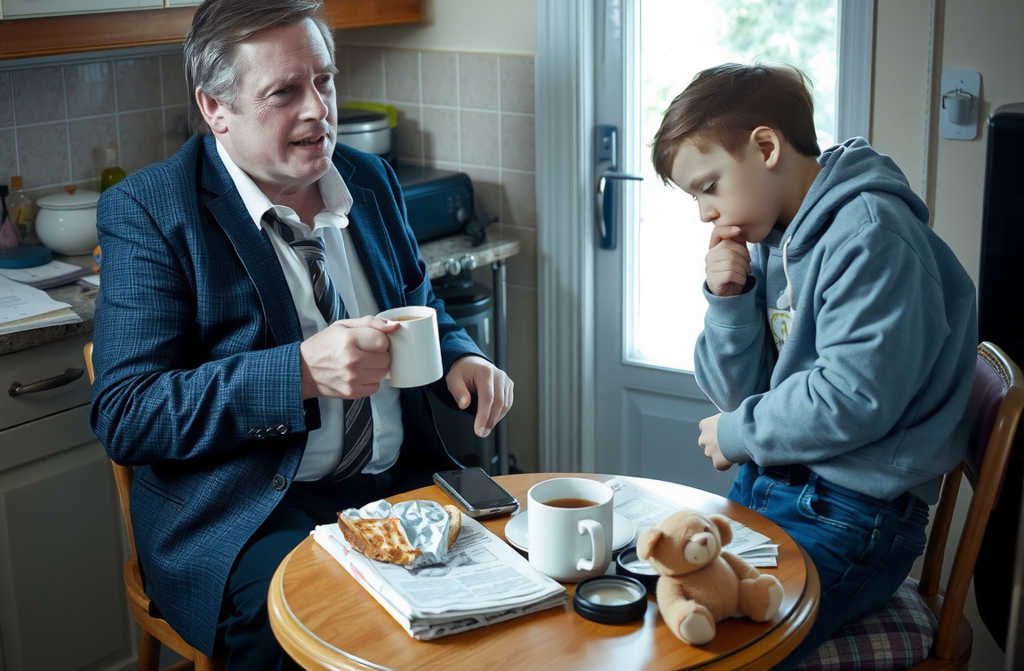
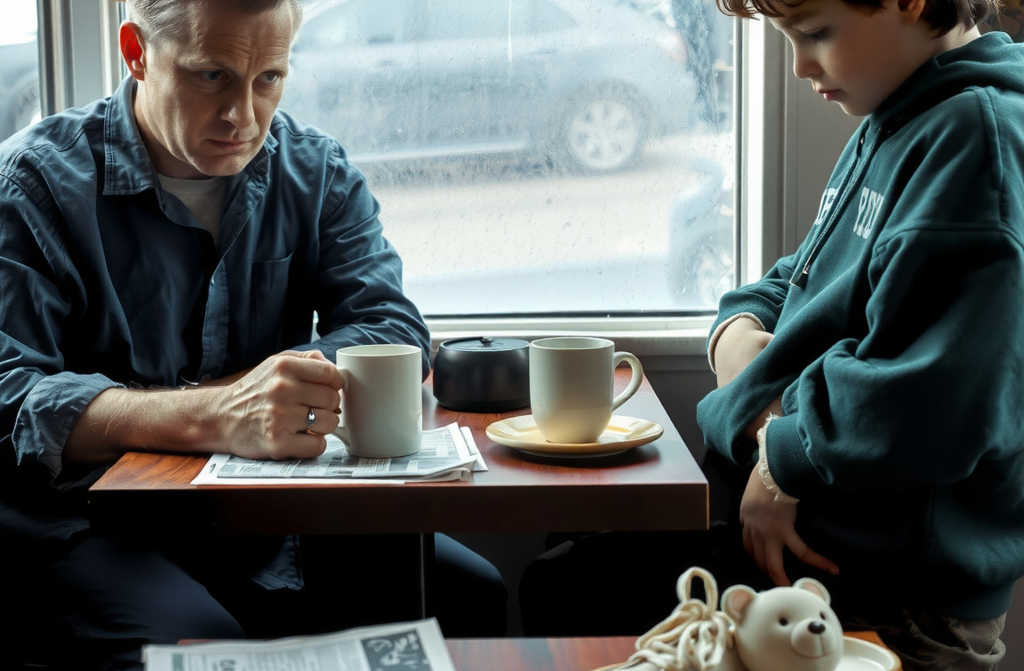
Here well have peace, Edward announced as he unloaded the trunks. Itll be easier this way.
Will you come back? Valerie murmured.
He gave a brief nod and drove off.
Local women sometimes brought meals; Aunt Doris stopped by now and then to see if Valerie was still breathing. Weeks turned into months as she lay in that modest cottage, staring at the ceiling, listening to rain patter on the roof, watching trees sway through the window. Death, however, did not hurry.
Three months passed, then six. One day a young nurse named Ian arrived in the village. He had a warm smile and gentle hands, administered drips and tended to her medicines. Valerie did not ask for helpshe simply refused to die.
Miraculously, she began to recover in small steps. First she sat up, then she stepped onto the porch, later she ventured to the shop. Neighbours gawked:
Valerie, are you alive?
Its a mystery, she replied. I just want to keep on living.
A year later a car pulled into the lane. Edward stepped out, looking gaunt, a stack of papers in his grip. He first spoke with the neighbours, then made his way to the cottage.
On the porch, wrapped in a blanket, a cup of tea steaming in her hands, Valerie looked up, her face flushed, eyes bright. Edward froze.
You youre alive? he stammered.
She met his gaze calmly.
What did you expect?
I thought you
Had I died? she finished. Almost. But you wanted this, didnt you?
Edward said nothing. The silence spoke louder than any accusation.
I truly wanted to die, he confessed. In that damp house, with a leaky roof, hands chilled to the bone, aloneI wanted it to end. Yet someone came each evening, unafraid of the winter wind, asking for nothing in return. They simply did what they must. You left. Not because you couldnt be there, but because you chose not to.
Im confused, Edward whispered. My mother
Your mother will not save you, Edward, Valerie said, her voice soft but firm. Not before God, not before yourself. Take what belongs to you. You inherit nothing. I left the house to the man who rescued my life. You you buried me alivestill breathing.
Edward bowed his head, stood there a long moment, then returned to his car without a word. Aunt Doris watched from the doorway.
Go, my boy, and dont turn back.
That evening Valerie sat by the window. Outside, silence; inside, peace. She reflected on how oddly life works: sometimes it is not disease that ends a person, but isolation. And we are not healed by medicine alone, but by a simple human kindness, a warm word, a caring presence we never asked for.
A week after Edwards departure she felt no tears. It was as if a piece of her heart that still flickered for him had snapped off, leaving a deafening quiet, like a forest after a stormstill, yet the echo of the wind lingered. She moved on, leaving love, marriage, and betrayal behind her.
Fate, however, had another turn. One day a stranger in a black jacket and a battered briefcase stopped at the porch. He was not a nurse but a young solicitor from the district office, asking for Valerie Meadows.
Im her, she answered cautiously.
The solicitor handed her a folder.
You have a will. Your father passed away. The documents state you are the sole heir to a city flat and a bank accountsubstantial sums.
Valeries breath caught. I have no father. The man who left when she was three had never been in her life. And now everything was being handed to her?
The papers list him as your father, the solicitor added.
The day dimmed into evening. After a year of silence, Valerie finally dialed an old friend, Nina, who still lived in the town.
Valerie? Is it you? We heardEdward said you died! They even held a funeral!
A funeral? Valerie asked, stunned.
Yes. He arranged it, said you suffered terrible torments, then sold the house a month later, saying he could no longer live there.
Valerie sank into a chair. Not only had Edward abandoned herhe had erased her existence, sold the home as if she never lived there.
Two days later Valerie boarded a train to the city, accompanied by Ian, the nurse who had tended her night after night. Maybe Ill need help, she said.
And indeed, the paperwork, the money, the titleall were hers by law. No longer a abandoned, condemned woman, she stepped into a new life as someone who could command her own fate.
Yet the story was not yet done.
One market day, Valerie saw Edward across the square, arm around a pregnant woman, his motherinlaws face twisted with age. Their eyes met; his turned pale.
Valerie?
You didnt expect this, did you? she replied calmly. You thought Id be dead forever?
Edwards new partner stared, bewildered.
Who is she?
An old acquaintance, Edward said stiffly.
Valerie gave a faint smile. Yes, very old. Someone you thought youd buried.
She turned and walked away. Ian waited by the car, a basket of apples in his hand.
All good? he asked.
Now, she said. Ive got my name back.
That night, on her balcony, wrapped in a blanket with a mug of tea, Valerie felt no painonly a quiet, bright stillness, as if all the horrors had finally slipped behind her.
Months passed, and Valerie settled into a comforting routine in her flat: soft lamplight, fresh flowers on the sill, coffee scent mingling with scented candles. She took up knitting again, as she had in her youth. The ache faded, leaving only occasional pangs of nostalgia for years lost.
Ian visited often, never in a rush, bringing meals, helping with chores, even making a modest stew, and sitting with her when she simply needed company.
One crisp winter evening, snow drifting outside, Valerie said, You know, for the first time I truly feel alive. Strange, isnt it?
Ian smiled. Sometimes you have to be drowned before you can breathe again. Youve survived, and youre stronger than you think.
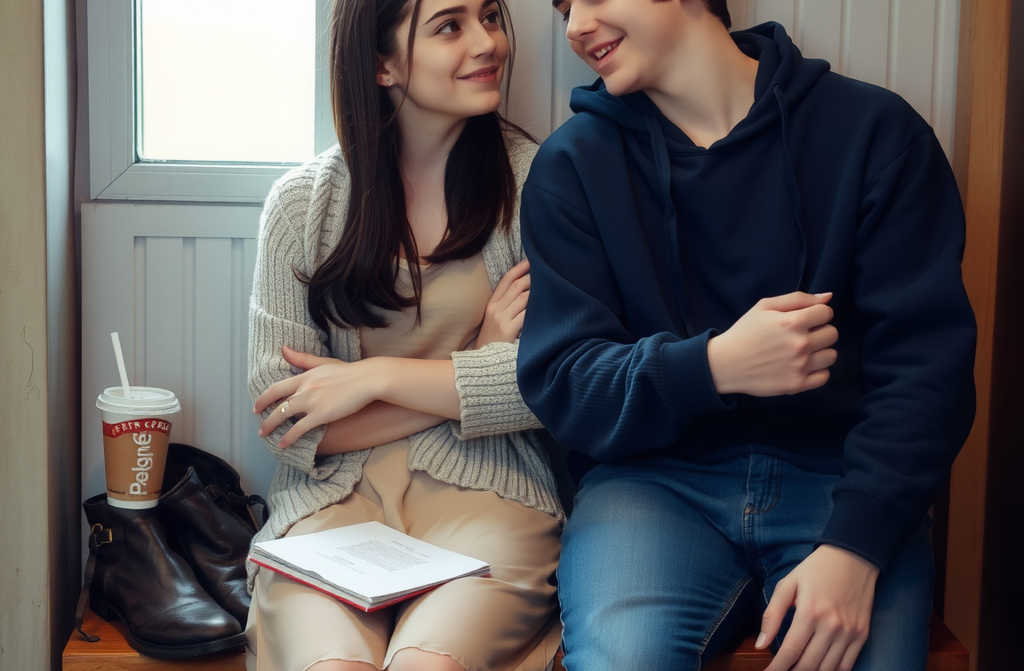
She watched him for a long while, then, after many days, rested her head on his shouldernot as a rescuer, but as someone who had been there when she needed him most.
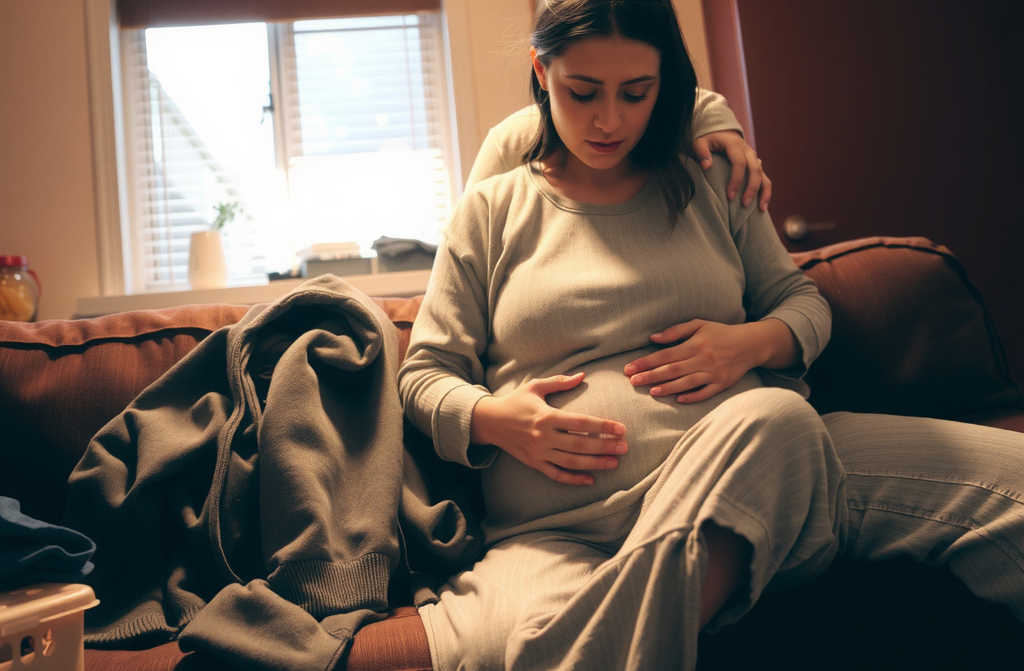
Later, a routine check revealed something unexpected. The doctor, with a kindly grin, announced, Congratulations, Valerie. Youre pregnant.
Valeries heart thudded. Pregnant? After all the illness, betrayal, death, and rebirth?
An ultrasound showed a healthy little heartbeat. When she left the clinic, tears streamed down her facenot grief, but an overwhelming, tender joy, as if an unseen hand whispered, Your story is not over.
Ian embraced her, offering no words, just steady support.
A few weeks later the local paper ran a headline: Husband arrested for fraud, forgery, and selling exwifes estate. The nameEdward Meadowssent a shiver through Valeries spine.
She set the newspaper down, sipped her tea, and placed her hand on her belly.
Youll never know betrayal, she murmured. Youll have a mother and a real father.
Labor was a fierce battle, heart pounding as if it might burst from her chest, doctors shouting, ceiling lights flickering, Ian standing at the doorway like a silent sentinel, praying in his own way.
Then a cry filled the room.
A girl, the doctor announced. Tiny, but strong. She came into the world just a second ago.
Valerie cradled the newborn, whispering, Welcome, my love. Ive waited for you forever.
A year slipped by. In the kitchen, water boiled for tea, Ian fed baby Lily porridge, Valerie flipped cottage cheese pancakes. Sunlight streamed through the window, lilac fragrance drifting in. No shouting, no harsh words, no coldness.
Look, Valerie said, pointing at Lily. She smiles with your eyes.
Ian wrapped an arm around her from behind.
But her strength is yours now.
No, Valerie whispered. Its ours, all of us.
She realized that to reach her own heaven she had to walk through hell; to be reborn, she first had to die to her former world. And she had done exactly that.
Two years later, life felt as solid as fresh bread on the tablewarm, nourishing, safe. Lily grew into a cheerful child, summer freckles dotting her cheeks, and Ian opened a small pharmacy, with Valerie helping him file paperwork, order supplies, and simply be by his side.
Things seemed settled until a yellow envelope arrived, scribbled in a hurried hand, containing only a few lines:
Are you sure you love Lily? Is she truly yours? Check. Dont be surprised by the truth. Is Ian too good? Everyone has secrets.
Valeries hands trembled. She read the note three times. Was it a threat, revenge, or a hidden truth?
A phone rang, displaying Unknown.
Valerie? Is that you? a coarse voice said. Dont trust Ian. He isnt who he says he is. Look into his past. If you want Lily to survive, do as we say.
The line clicked off, and dread settled over her like an endless night. Letters arrived weekly, photos of the house, of Lily at the playground, a newspaper clipping: Young mother found dead after family dispute.
It was not simple blackmailit was a plot. Someone watched them, knew too much.
Valerie stayed silent, afraid to alarm Ian. In secret she began to sift through documents. She discovered that Ian had changed his surname three years earlier after a conviction for assault and threatsclaimed selfdefence.
One night she slipped into his study and found medical certificates, bank statements, even a copy of her fathers will and a job application Ian had filled out before moving to the village.
Her heart stopped. She knew everything.
Ian entered the room.
Looking for something, Valerie? he asked.
Who are you? she demanded.
I am the one who saved you when everyone turned away, he replied calmly. But youve realized this wasnt coincidence.
You knew about me?
Yes. From the start. I was hired to find the house, the money, and you. Then I chose to stay.
Who hired you?
Those who wanted the flat, the cash and you. They didnt expect Id change because of you.
That night Valerie packed a bag, took Lily, and vanished to a rented cottage far from town, telling no oneneither Ian nor Ninawhere shed gone.
The threats persisted: letters, phone calls, demands to surrender the house. Finally a final message arrived:
May 23, 19:00, Oak Park. If you dont attend, your daughter will not finish school.
She went, carrying a dictaphone, a camera, and a knife hidden in her bag. Her pulse drummed like a warsong. She sat on a bench, a bespectacled man joining her.
Congratulations, Valerie. Youre stronger than we imagined, he said.
Who are you? she asked.
Your fathers former partner. We worked together. He left you more than you thinkdocuments, contacts, proof. As long as you have that, youre in danger.
What if I hand it over?
Then well erase you. If not your story ends badly for everyone.
I know nothing! she shouted.
You will soon, the man replied, turning and walking away.
Ten minutes later her phone buzzed with a photo of Lily asleep peacefully.
After that meeting Valerie slept barely three nights. She sat beside Lilys crib, watching the steady rise and fall of her breathing, thoughts whirling like a storm: Who was this man? What documents? Why the pursuit? How could she protect Lily?
She dug through her late fathers old box and finally plugged a forgotten USB into her laptop. Folders opened: Archive, Witnesses, Finances. Inside lay evidence of a massive postwar fraud involving lands, factories, and state contracts, signatures, names, some still powerful. It wasnt the flat or the cash that terrified themit was the truth coming to light.
All the pieces fell into place. Her father had tried to atone before his death, leaving everything to shield her, but instead hed passed a curse.
Four sleepless nights later Valerie made her decision. She gathered the documents, the USB, every copy, and drove to an independent newsroom. There she met an older journalist, Mr. Trevor Collins, a man of few words but sharp eyes.
This is a bomb, he said after scanning the files. You know theyll never leave you alone now.
I know. But I wont stay silent. They tried to kill me once. It wont happen again.
Three days later the exposé ran, complete with original papers and names. The paper sold out within hours; television crews swarmed the story, investigations launched, resignations tendered, arrests made.
Valerie stood at her window, watching Lily doodle a sun on a scrap of paper.
Thats for you, mum, Lily whispered. Youre my sunshine.
Valerie leaned over, hugging her daughter tightly.
No, darling. You are my sunshine. You lifted me out of darkness.
A week later Ian returned, a white camellia in hand, standing at the doorstep. He wasnt sure if she would open the door, but she did.
I wont beg for forgiveness, he said quietly. I was part of the game, but you werent. You became its purpose. If you let me stay, Ill stay forever.
Valerie studied his eyes, then nodded.
On one condition.
What?
No more lies. Even if the truth is harsher than any lie.
Ian embraced her without a word.
Six months later the case was officially closed. No compensation, no apology from the state, but Valerie gained freedom, truth, and a man she could rely on.
She began writingarticles about women who had been broken and rebuilt, about surviving betrayal, about finding light in the deepest shadows.
She once penned:
They tried to kill me not with a gun, but with cold indifference, lies, and selfishness. Yet I survived, because in the darkest hour someone reached out a hand. If youre hurting nowknow this: darkness never lasts. The sun always returns. You only have to wait for it.The years that followed felt like a gentle tide, each day bringing new shorelines of hope. Lily grew confident, her curiosity sparking questions about the world beyond their walls, and Valerie answered them not with guarded caution but with the fierce optimism she had reclaimed. Together they transformed the modest flat into a sanctuary where stories were gathered, shared, and nurtured.
Inspired by the truth they had uncovered, Valerie founded a modest nonprofit, Echoes of Resilience, offering legal aid and counseling to those caught in the gears of corrupt power. Ian, now a partner in both life and the cause, coordinated health outreach, his steady presence a reminder that compassion can outlast any deception. Their work attracted volunteers, journalists, and ordinary citizens who believed that a single voice, amplified by many, could tilt the balance of justice.
One crisp autumn evening, as amber leaves drifted outside, Lily approached her mother with a folded piece of paper. I wrote a story for school, she announced, eyes bright. The tale traced a girls journey from shadows to light, ending with a promise that she would always protect the fragile hearts around her. Valerie read the words, feeling the echo of her own past reverberate in her daughters sincere vow.
The house that once held whispers of betrayal now rang with laughter, the scent of fresh bread, and the soft hum of a piano that Lily had learned to play. In the corner, a photograph of the original flatnow a relic of a chapter closedsat beside a new portrait of the family, a visual testament that endings are often beginnings in disguise.
As the night deepened, Valerie slipped onto the balcony, the city lights flickering like distant fireflies. She breathed in the cool air, feeling the weight of years lift, replaced by a quiet certainty. The path ahead would still have rough stones, but she now walked it with steady steps, anchored by love, truth, and the unwavering belief that every darkness, no matter how deep, is merely a prelude to the dawn.