Author: Real Stories

  • She thought she’d found a rug… but someone inside was still moaning and moving.

    She thought she’d found a rug… but someone inside was still moaning and moving.

    The sunshine is warm, so I decide to make the most of itair out my makeshift pillows and blanket. I stuff paper bags with sawdust for the pillows and use an old wall rug with a fox pattern as a blanket, stretching it between two birch trees with a rope. Beside it I place a wooden bench upholstered in red faux leather, spreading my homemade pillows across it.

    Samantha Reed has been roughsleeping for more than a year. Her hope is to save enough, replace the documents she lost, and get back home to the south of England, where family and a normal life still wait. For now she lives in an abandoned rangers cottage that once stood deep in a forest. That forest has vanished, replaced by a sprawling landfill.

    At first the stench is faint, but the waste piles grow not by days but by hours. Everything ends up here: demolition debris, broken furniture, old clothes, dishes. From the dump I scavenge a tiny wardrobe, a threadbare ottoman and even a wooden chest full of discarded garments.

    Eventually supermarket vans arrive, unloading expired stock. After a careful sift I sometimes find edible veg, fruit and even frozen readymeals. Fresh water is a luxury; I fetch it from a polluted brook, filtering it through rags and charcoal I pull from the rubbish.

    Firewood is plentysplintered trunks litter the site, so a stove is easy to keep alight. Days blend into a monotonous routine, and pockets of spare cash are rare. A coin found in a torn coat is a treasure, a wallet a find of the century.

    One night a car rolls up. Thats normalmost people dump their trash under cover of darkness to stay unseen. This time the vehicle is large, an expensive SUV, looming in the moonlight like a beast on wheels.

    A man steps out slowly, drags a massive roll from the boot, and hauls it deeper into the heaps.

    Maybe its roofing felt? I could patch the roof the rain is coming, I think, urging the stranger in my mind, Come on, get out of here quick!

    He drops the roll in a pit between the piles, looks around as if reconsidering, waves his hand, and climbs back into the car. A few minutes later the engine snarls and the SUV disappears into the night.

    Finally, I exhale, slipping into work clothes.

    I pull on huge rubber boots and step out. Dawn is already brightening; the air smells of pine. I recall a clearing over the hill where mushrooms growworth checking in the morning.

    I head to the spot where the man left the roll, expecting a strip of felt or thick plastic. Instead I find a neatly rolledup carpet on the ground, the kind that once dressed a wealthy manor.

    Wow a traditional English tapestry, I think. Beautiful and heavy. Too bad it isnt for roofing, I mutter, then add, Maybe Ill take it? Folded in half it could make a better mattress than those sawdust bags.

    Excited, I rush to the roll. Its too heavy to lift, so I pull an edge to unroll it. Then I hear a faint moan.

    Ive seen everything in my year on the streets, but my knees shake as I step closer and call out,

    Whos there?

    Silence, then another whimper and a barely audible female voice,

    Its me Agnes Whitfield

    With effort I tug the carpets edge and finally free the woman. She drops out, struggling to turn, and moans softly.

    Hold on, Ill help you! I shout, rushing to her.

    When the carpet lies flat, a small, thin woman in sensible clothes lies on the ground, a bruise darkening her temple. She looks around, bewildered.

    Well, where have you taken me? To a landfill? Like this

    Without a word I help her to my feet and lead her to the cottage. I set her in a chair, change into clean clothes, and watch her sob quietly as the reality of being rescued sinks in.

    She whispers, Im alive He tried to bury me alive and even ruined his prized tapestry

    I boil water, pull herbs from the cupboard, brew a strong tea and set a mug before her.

    Im Eleanor Clarke, she says, A former English literature teacher.

    Are you a girl? she asks, eyeing my short haircut and the mens work clothes.

    Yes, it just happened that way, I sigh. I came to the city hoping to work as a governess, but at the station I was robbedbag, cash, documents all gone.

    Why didnt you go to the police? she asks sharply.

    I did, but they told me to sort things through the embassy. Consular fees, paperwork I have nothing.

    She studies me, a flicker of sympathy in her eyes.

    Is there really no help? she asks. I dont know any services. I shrug. Now tell me, how did you end up in that carpet?

    She shudders, tears spilling again.

    Thats life for you How did it come to this

    I mutter under my breath, Oh, why did I ask

    She wipes her eyes, straightens, and looks at me with something like irritation.

    Why should I help you? Do you even know who I am? When I get out, Ill cause a scandal he wont forget! And youhow can anyone live like this?

    I lower my gaze, ashamed of my rags, my hut that now feels like a palace compared to the carpets contents.

    She finishes her tea, inhales deeply, and as if speaking to an invisible man, says, Its alright Ill reach you She raises a clenched fist as if the offender stands before her.

    Outside, dawn breaks. The first sunbeams pierce the tiny hut, lighting dust motes.

    Eleanor, have you been here long? Do you know the way to the A1? she asks, standing slowly.

    Of course, I reply. Will you escort me? she commands rather than asks.

    She steps out; the morning air is cold and Im only in a thin wool suit.

    Take a jumper or a coat, I suggest, but she wrinkles her nose, I wont freeze. Just get me to the road.

    The road isnt far, I say, walking beside her. How will you manage that injury?

    If you want to live, youll learn to cope, love. Keep moving; dont hold me back, she says, leaning on my arm.

    On the way she mutters, What have they done here? Cut down the forest, abandon it. No new plantings, nothing left. Its disgusting!

    We reach the A1 quickly. She nods, thanks me, and lets go of my hand.

    Well then, little Samantha. From here on youre on your own. Ill try to help you.

    I turn back, thinking, What a peculiar woman. She walks like a lady of the manor, voice firm and confident. Either a businesswoman or a former boss. It matters not now. If she helps, Ill be grateful for life.

    Back at the cottage I tend to the stove, brew tea, pull flour from the pantry and begin making flatbreads. I pour boiling water over the dough, salt it, roll it with a bottle and fry it on an old tray.

    This will taste good, I think, watching the breads brown.

    Just as the breads finish, the door bursts open. Agnes Whitfield stands in the doorway, trembling from the cold, face pale, hands clutching her side.

    Samantha, help

    I grab her arm, seat her on the bench, and she curls up, groaning, It hurts, hurts I cant starve, cant stay out in the cold! And the drivers! Not one stopped, except one. I told him, Take me to Brighton! and he asked, How will you pay? Grandma, do you understand? Who am Inothing!

    She sobs, and I hand her half a stillwarm flatbread.

    Is that from expired stock? she asks.

    No, just tossed away. Sometimes bugs get into the flourthen I sift it, pour boiling water over it. It turns out almost homemade and tasty.

    Well, you surprise me! she says, quieting. I havent seen anything like this in a hundred years and I never want to again.

    Youre almost ninety, arent you? I venture.

    Almost. And now? You cant get to the city from here. At home theres no home for me. Only that scoundrel who dumped me like a sack of sand.

    Youre not going to walk, are you? I ask. That would be too hard.

    At that moment a familiar SUV pulls up outside, the same one that delivered the carpet. I realise its the same man.

    Aunt Martha, quiet! I whisper. Hes back!

    She raises an eyebrow, but I already have her seated, knees pinned, and whisper, Dont make a sound! He might hear.

    She shivers, but stays still. The man circles the rubbish heaps, looks toward the cottage and heads our way. I press a finger to my lips, then help Agnes down into the cellar, close the lid with plywood and wait.

    When theres a knock, I take a deep breath and open the door. A tall, welldressed man stands there, his expression as if the world beneath him is beneath him.

    Good afternoon, he says, looking disdainfully at me. You live here?

    Something like that, I reply, keeping calm.

    And at night too? he continues. Have you seen anything odd? Found anything strange?

    I put on an innocent face. What did you lose? I ask, as if clueless.

    He scratches his head. Lost? You could say that So you spent the night here?

    Yes, I said so.

    And you didnt notice anything strange last night?

    No, I answer, steadying my voice. Only the dogs didnt bark as usual. Otherwise, all quiet.

    He studies me, then turns and goes back to his car, glancing at the cottage. I watch him until he leaves, then open the cellar hatch.

    Agnes, still wincing, climbs out. She holds her side but no longer weepsonly fury.

    Unbelievable! He came back for me Scoundrel! But you, Samantha, youre a good girlsaved my life twice!

    So who is he to you, Agnes? I ask, unable to hold back.

    My soninlaw, a nasty sort! My daughter died, and he now wants my share. I told him long ago he wont get a penny. Neither he nor his new fiancée!

    She speaks as if her soninlaw stands before her. I left all the inheritance to my grandson. That greedy man gets nothing but what he earned himself: a business, cars, a house She laughs bitterly. But it isnt enoughhe wants to ruin my name too.

    I listen, stunned by the wealth and greed I have only read about. By my standards, a man of that fortune should be calm, but here betrayal, danger, even an attempted murder loom.

    My husband and I built an extraction company. We had government contracts, overseas property, yachts, a private plane. This soninlaw would have squandered it all if not for my grandson. Hes a proper manager. I know the business is safe.

    So he wanted you to leave him something too? I guess.

    Of course! After my wife died he tried to marry a young lady, wanted to send me to France so I wouldnt interfere. My youngest daughter keeps inviting me, but I cant stand the Germans. My grandson lives in England. Id go to him if not for this scoundrel. He took me, dumped me in a carpet at the dump.

    I look at her with sympathy. Dont worry, Agnes. If you give me your grandsons address, Ill get there. He must know where you are.

    Her eyes light up. Really? Oh, thank you! But theres a problempeople like me arent allowed to see him. Security will call the police straight away.

    Then lets play another game, I smile. Youll wear my clothes, and Ill go to him instead of you.

    She doesnt object. She discards her wool suit, changes into a long skirt and a loose sweater. I slip into her clothes; she nods approvingly. It suits you! If only you had heels, you could go to a party!

    I have a pair, I say, grabbing shoes from the chest. Not my size, but theyll do.

    While I finish the preparations, Agnes writes a note, her hand firm and confident:

    James will recognise me. Let him take me away. Then well deal with that Richard properly!

    Before I leave, I hug her. Take care, Agnes. Watch the windows, lock the door. If anyone comesgo straight to the cellar and hide deep.

    Yes, commander! she smiles.

    I step onto the road toward the city. Cars rush past, paying no mind to the lone figure in someone elses suit. Suddenly brakes squeal behind me.

    Need a lift? a driver asks from a small saloon car. To the city?

    I turn; a young man with a soft southern accent sits behind the wheel. I greet him in my native tongue, Fellow countryman?

    Of course! He hops out. How did you end up here?

    Long story, I sigh, handing him the note. I need to deliver this. Can you help?

    He reads it, whistles, Its a stretch, but Im always happy to help a fellow Englishwoman.

    I climb in, pulling on the unfamiliar shoes. Theyre huge, so Ive been walking barefoot, I joke.

    He smiles and drives off.

    On the way I tell him everythinghow I found Agnes, hid her, and that her soninlaw could return at any moment. He listens, mostly silent, offering occasional comments.

    We pull up at a modest cottage. The driver, Tom, whistles again. Your acquaintances live well!

    Theyre not acquaintances, I reply. Theyre salvation.

    I press the intercom. A female voice answers after a moment, Whos there?

    Eleanor sent me. A letter from Agnes Whitfield.

    The gate opens. A tall young man in glasses rushes out. Whats wrong with grandma? Why isnt she calling?

    Shes alive, I say quickly. But shes in danger. The sooner you get her, the better.

    James nods, runs to his garage, jumps into his car and speeds onto the highway.

    So shes in the city?

    At the dump, in the hut, I answer. Her soninlaw dumped her there in a carpet. We hid, but he might come back.

    James thinks for a moment. I left because my uncle said grandma flew to France. He showed me a plane ticket. I didnt believe him. Her number went dead. I felt something was wrong.

    We merge onto the motorway. In the distance the landfills grey heaps loom, the cottage a smoldering silhouette. I gasp, Faster! Thats Agnes!

    The roof begins to collapse. James shouts for me to wait, then darts toward the house. Flames crackle, the stove topples, and the roof caves in.

    I hit the ground, covering my face. Rainlight, colddrips onto the fire. James stands nearby, silently saying goodbye to the old woman. I mourn the stranger who in these days became almost family, watching my shabby shack turn to ash.

    Through the roar of flames and the rains patter a faint voice calls, Samantha! Eleanor! Open up quickly!

    We rush toward the sound, finding a hidden opening behind the fence covered by an old iron sheet. We pry it aside and see Agness dirty but breathing face on a set of wooden steps, barely holding on.

    James! My grandson dont cry! Her hoarse voice carries strength. Nothing went as he thought. That bastard got nothing!

    It turns out Richard returned, doused the hut with petrol and set it alight. Agnes saw him through a cracked window and fled into the cellar. When the floor gave way she fell into the secret passage she herself once discovered, escaping the sudden blaze.

    Tears spill from my eyesemotions I havent felt since losing my papers, money, hope.

    Agnes grasps my hands. Dont cry, child! Youre coming with us! You owe us a debtIll pull you out of poverty. As long as I live, youll be safe.

    At her grandsons house she freshens up, showers, makes a few calls. An hour later she announces, James, everything will be ready at the consulate tomorrow at ten. Youll take Samantha there; I have the contract. First, the girl must be dressed properly. YouTogether they boarded the train, leaving the smoldering ruins behind, their hearts hopeful for the fresh start that awaited them.

  • I Got Stuck with the Ugly One

    I Got Stuck with the Ugly One

    A sudden flash… A loud bang… Darkness… Darkness…

    At last the darkness began to lift. A voice spoke out:
    “Emily, this is the rescuer. Something has exploded there.”

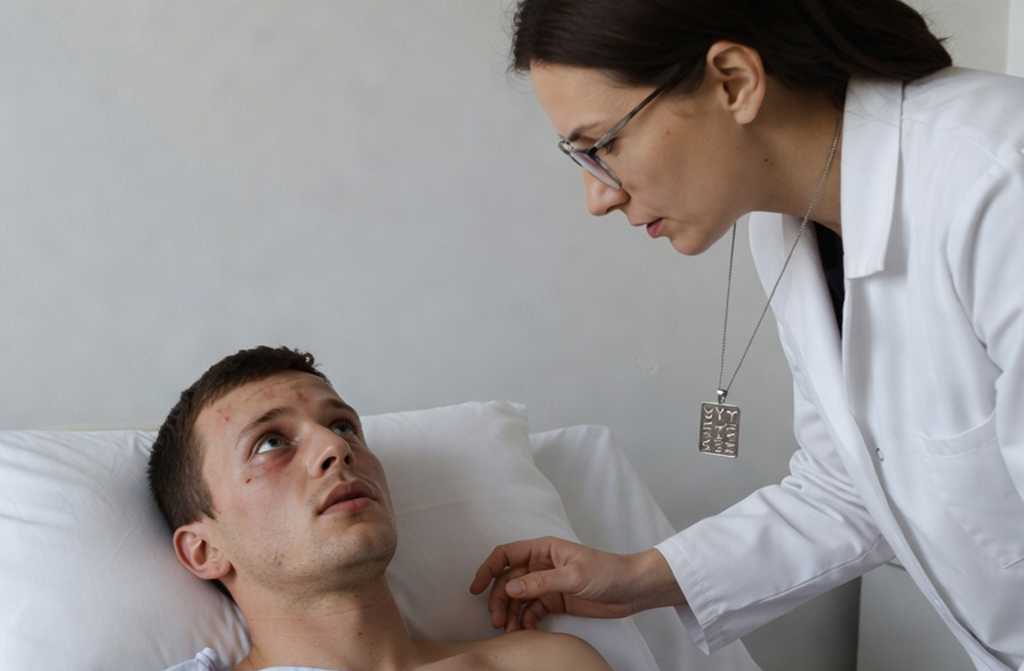
    Through the pain he felt a hand rest on his neck. He struggled to open his eyes. A rectangular pendant with zodiac signs carved into it hung before him… the eyes of a woman in a white coat…
    “To the operating theatre!” a voice called right beside him.

    Mum and Dad came home from work. Mum headed straight for the kitchen after a quick look into the room where her son sat over his homework. Dad stepped inside and saw at once that the boy was in low spirits.

    “Tommy, what is it?” Dad ruffled his hair.

    “Nothing,” the fourth-grader muttered.

    “Come on, out with it.”

    “Valentine’s Day is nearly here. The teacher kept us late and told us boys to get presents ready for the girls.”

    “So what’s the trouble?” Dad smiled.

    “There are just as many boys as girls, and she paired everyone up,” Tommy sighed heavily. “I got the plain one, Emily Evans.”

    “Every girl wants a present on Valentine’s Day, plain or not,” Dad spoke to him like a grown-up. “How did she choose the pairs? Alphabet order?”

    “No, by star signs.”

    “How does that work?” Dad smiled again despite himself.

    “By how well they match. Emily is Virgo, and Taurus suits Virgo best. I happen to be Taurus.”

    “Well, that’s lucky if you suit each other! Grow up and you might even fall for her.”

    Dad could not help laughing. Mum hurried in at once.

    “What’s all this?”

    “Anne, back to the kitchen,” Dad’s face turned firm. “Tommy and I are having a serious talk.”

    When Mum had gone, Tommy asked sadly,
    “Dad, what do I do now?”

    “Make a present.”

    “What kind?”

    “Tomorrow at work I’ll make one for your chosen girl.”

    “Dad, what present could you make? You work at the factory.”

    “Yes, but in the plating shop. We do every sort of metal coating there.”

    “I don’t follow, Dad.”

    “You’ll see tomorrow.”

    ***

    Next day Dad brought home a rectangular pendant on a chain that looked golden. On one side two signs were engraved, Taurus and Virgo, and on the other, in small neat letters:
    “To my classmate Emily for Valentine’s Day! Thomas.”

    How fine the pendant looked! Once Mum slipped it into a clear plastic bag it seemed even more splendid.

    ***

    Valentine’s Day eve arrived. The teacher had no lessons planned. First the children gave her their gift and she thanked them at length. Then she told the boys to hand out their presents to the girls.

    What a rush began! Every boy hurried to his chosen girl. Tommy walked over to Emily Evans and said exactly what Dad had taught him:
    “Emily, happy Valentine’s Day! Perhaps one day fate will bring Taurus and Virgo together.”

    He turned back to his desk and never noticed how the heart of this girl he thought plain had begun to race.

    Before long Emily’s parents moved to another neighbourhood and from fifth grade onward she went to a different school.

    ***

    Thomas opened his eyes. White hospital ceiling. He tried to move his arms and legs. Only the left arm stirred.

    “Where am I?” he asked the empty room.

    Footsteps sounded and a man on crutches came to the bed, studied him and asked,
    “Woken up? You’re in the emergency surgery ward.”

    “Are my arms and legs still whole?” Thomas asked quietly.

    “Everything seems to be there,” the man said cheerfully. “You’re just wrapped in bandages from head to foot.”

    “Good, so long as nothing is missing.”

    A nurse appeared and asked kindly,
    “How do you feel?”

    “What happened to me?” Thomas answered with a question.

    “Your life is safe. Arms and legs will work again. Only plenty of scars will stay,” she passed him a switched-on phone. “Your mum asked me to ring her the moment you woke.”

    “Son,” Mum’s voice came through tears.

    “Mum, I’m all right,” he tried to sound bright. “They said only small scars will be left. I’ll be out soon.”

    “They wouldn’t let me stay the night. I’m coming right now, son.”

    “Mum, don’t fret so much.”

    He set the phone down and managed a smile for the nurse.
    “Thanks.”

    “They won’t send you home yet,” she smiled back. “Three weeks at least, that’s certain.”

    “What happened?” the neighbour asked once the nurse had gone.

    “I’m a rescuer. Oxygen cylinders started exploding at the factory,” Thomas began to remember. “They called us out. We got there before the firefighters. The place is huge. Three people were hurt inside. We ran in, cylinders lying everywhere, a bit of fire here and there. We started carrying the injured out… I was the last to leave… Just as I reached the door another cylinder went off… After that I remember nothing.”

    “You took quite a knock.”

    “Thomas Thompson,” the nurse called. “A workmate is here to see you.”

    “Hi, Tommy! How are you?”

    “Arms and legs still whole!” the patient answered cheerfully. “Only I can shake hands with the left one for now.”

    “Never mind that.”

    “What went on afterwards?”

    “We were on our way out when it blew. We turned straight back and dragged you clear… you were covered in blood… the doctors were already there…”

    “Thanks.”

    “Tommy, what are you on about?!” A grin spread across his friend’s face. “Word is they want to give us medals.”

    “I’ll be out by then.”

    “Right, I’m off. The nurse said rounds are due and not to linger.”

    His friend had barely left when the doctor, a man of about forty, came in.

    “How are we, hero?” He stopped by the bed.

    “Fine.”

    “If you’re talking, you’ll live. Let me have a look at you.”

    “Did you stitch me up?” Thomas asked.

    “No, Emily Evans. She’ll be here the day after tomorrow.”

    ***

    Two days later Thomas was trying to stand. The pain in his legs was still sharp and his right arm was badly gashed. He counted at least ten wounds across his body. Two sat on his face where the blast had thrown him against a gate; luckily he had thrust his right hand out in time. He studied himself in the mirror. His face was still puffy.

    Today’s rounds would be taken by the doctor who had spent five hours sewing him in the theatre. Thomas felt a little nervous.

    Then she entered. Young, slim, wearing glasses that did not spoil her looks at all, and the white coat suited her well. At twenty-seven Thomas had already been married, but after six months they had parted; their characters had not matched, or so the papers said, though really his ex-wife had disliked a rescuer’s pay.

    “Hello,” the doctor said and came to his bedside.

    “Hello. Did you sew me up?”

    “I did,” she smiled. “Is anything wrong?”

    “Let me examine you.”

    She bent over him… A pendant with zodiac signs swung from her neck.

    “Emily Evans!!!” he cried.

    She looked closely at his swollen face.

    “Sorry,” she said, still not recognising him.

    “I’m Taurus,” and he pointed to the pendant.

    “Tommy Thompson?” Her lips trembled. “You still remember me?”

    “Of course, Emily,” he said, and seeing tears in her eyes he laid his hand on hers.

    “Sorry!” She pulled out a handkerchief and dabbed her eyes. “I never imagined we would meet again like this.”

    Emily did not return to his ward that day. Yet Thomas now knew her rota was the same as his own: day shift, night shift, then two days off.

    He hated looking helpless before her. All the next day he practised walking round the ward, leaning on the beds, and twice he reached the corridor by holding the wall.

    Evening came. The day-shift doctor left. A new team arrived; you could tell by the voices in the corridor. Rounds would begin soon…

    Suddenly shouts and quick footsteps sounded outside. That meant another injured person had been brought in.

    It was already ten o’clock. The nurse came, switched off the light, but sleep would not come. Long after midnight footsteps passed in the corridor, then stopped. In the quiet Thomas felt rather than heard someone crying. He got up and stepped carefully into the corridor.

    At the duty desk sat his old classmate, head on her arms, weeping. He walked over and rested his good hand on her shoulder.

    “What is it, Emily?”

    She rose and buried her face against him.

    “I operated on a woman hit by a car,” she said, voice breaking. “I did everything possible and impossible… She is in intensive care now but she will not survive. She has two children… her husband is with her.”

    “Calm down, Emily.”

    “Three years a surgeon and I still cannot get used to people dying.”

    “Calm down. These are the jobs we chose. In five years I have seen just as many deaths, yet we have saved plenty of lives too,” Thomas sighed. “It is why my wife left. She said I came home not myself and the money was poor. But I always bring home forty pounds; we could manage.”

    “The same for me,” she looked at him. “Men stare at me as if I am mad. I have never married and still live at home with my parents like a child.”

    “Come now, we are only twenty-seven; life lies ahead.”

    “No, Tommy, we are already twenty-seven.”

    “Emily Evans, her pulse is fading,” a nurse called from the doorway.

    “Sorry!” Emily ran for intensive care.

    He could not sleep that night. In the morning the nurse gave him his usual injection.

    “Is the woman from last night’s operation still alive?” he asked, surprising even himself.

    “Alive, but very poorly.”

    ***

    Three weeks passed. The wounds on Thomas’s body had closed. He saw Emily whenever she was on duty and found himself drawn to her more each time. Yet the emergency surgery ward was no place for private talk.

    During one morning round the male doctor said,
    “Today I am sending you home,” he smiled, “from the hospital, that is. Go straight to your local clinic; they will decide how long you stay on sick leave.”

    “I can pack.”

    “Yes, yes. No need to rush. They will write your discharge now.”

    When the doctor left, Thomas shaved. In the mirror he noted with satisfaction that the two remaining scars did not spoil his face; if anything they gave it character. The rest of the scars could be ignored.

    He gathered his things and stepped into the corridor. A patient was coming the other way, steadying herself against the wall.

    “She pulled through after all!” a glad thought crossed his mind.

    The nurse appeared and handed him the papers.
    “Goodbye, Thomas. Try not to come back.”

    ***

    He owned a small flat but went to his parents instead. Mum had waited and worried so much she had even taken leave.

    “Son!” She threw her arms round him.

    “It’s all right, Mum. As you see, I’m alive and well.”

    “Come and eat. I’ve made your favourites. You’ve grown so thin.”

    “Oh, how I’ve missed proper home meals!”

    “Until you are better and married you will stay here. Your old room is still waiting,” she called after him as if he were a boy. “Go and wash your hands.”

    ***

    Before evening Thomas visited the barber. He called at his flat for some clothes. Mum set about tidying them at once.

    Dad came home from work. The three of them sat together as they used to and talked far into the night.

    Thomas went to bed in the room where he had spent his childhood and youth, yet sleep was slow to come.

    “Tomorrow the clinic, then work, and in the evening…”

    With that thought of the coming evening he finally drifted off, long after midnight.

    ***

    Next morning he went to the clinic and spent the hours before lunch moving from room to room. In the afternoon he reached the factory just as his shift began.

    “Where are you going?” Dad asked.

    “Dad, do you remember years ago when I was in fourth grade? You made me a pendant to give a classmate.”

    “The plain Emily Evans? I remember.”

    “You also said, ‘Grow up and you might fall in love with her.’”

    “I remember that too.”

    “Dad, Emily is a surgeon now. She performed my operation. And she still wears that pendant round her neck.”

    “Well I never!”

    “Dad, your words came true. I am going to her.”

    ***

    Twenty-seven years is not so much for the start of life with someone you love.A sudden flash… A loud bang… Darkness… Darkness…

    At last the darkness began to lift. A voice spoke out:
    “Emily, this is the rescuer. Something has exploded there.”

    Through the pain he felt a hand rest on his neck. He struggled to open his eyes. A rectangular pendant with zodiac signs carved into it hung before him… the eyes of a woman in a white coat…
    “To the operating theatre!” a voice called right beside him.

    Mum and Dad came home from work. Mum headed straight for the kitchen after a quick look into the room where her son sat over his homework. Dad stepped inside and saw at once that the boy was in low spirits.

    “Tommy, what is it?” Dad ruffled his hair.

    “Nothing,” the fourth-grader muttered.

    “Come on, out with it.”

    “Valentine’s Day is nearly here. The teacher kept us late and told us boys to get presents ready for the girls.”

    “So what’s the trouble?” Dad smiled.

    “There are just as many boys as girls, and she paired everyone up,” Tommy sighed heavily. “I got the plain one, Emily Evans.”

    “Every girl wants a present on Valentine’s Day, plain or not,” Dad spoke to him like a grown-up. “How did she choose the pairs? Alphabet order?”

    “No, by star signs.”

    “How does that work?” Dad smiled again despite himself.

    “By how well they match. Emily is Virgo, and Taurus suits Virgo best. I happen to be Taurus.”

    “Well, that’s lucky if you suit each other! Grow up and you might even fall for her.”

    Dad could not help laughing. Mum hurried in at once.

    “What’s all this?”

    “Anne, back to the kitchen,” Dad’s face turned firm. “Tommy and I are having a serious talk.”

    When Mum had gone, Tommy asked sadly,
    “Dad, what do I do now?”

    “Make a present.”

    “What kind?”

    “Tomorrow at work I’ll make one for your chosen girl.”

    “Dad, what present could you make? You work at the factory.”

    “Yes, but in the plating shop. We do every sort of metal coating there.”

    “I don’t follow, Dad.”

    “You’ll see tomorrow.”

    ***

    Next day Dad brought home a rectangular pendant on a chain that looked golden. On one side two signs were engraved, Taurus and Virgo, and on the other, in small neat letters:
    “To my classmate Emily for Valentine’s Day! Thomas.”

    How fine the pendant looked! Once Mum slipped it into a clear plastic bag it seemed even more splendid.

    ***

    Valentine’s Day eve arrived. The teacher had no lessons planned. First the children gave her their gift and she thanked them at length. Then she told the boys to hand out their presents to the girls.

    What a rush began! Every boy hurried to his chosen girl. Tommy walked over to Emily Evans and said exactly what Dad had taught him:
    “Emily, happy Valentine’s Day! Perhaps one day fate will bring Taurus and Virgo together.”

    He turned back to his desk and never noticed how the heart of this girl he thought plain had begun to race.

    Before long Emily’s parents moved to another neighbourhood and from fifth grade onward she went to a different school.

    ***

    Thomas opened his eyes. White hospital ceiling. He tried to move his arms and legs. Only the left arm stirred.

    “Where am I?” he asked the empty room.

    Footsteps sounded and a man on crutches came to the bed, studied him and asked,
    “Woken up? You’re in the emergency surgery ward.”

    “Are my arms and legs still whole?” Thomas asked quietly.

    “Everything seems to be there,” the man said cheerfully. “You’re just wrapped in bandages from head to foot.”

    “Good, so long as nothing is missing.”

    A nurse appeared and asked kindly,
    “How do you feel?”

    “What happened to me?” Thomas answered with a question.

    “Your life is safe. Arms and legs will work again. Only plenty of scars will stay,” she passed him a switched-on phone. “Your mum asked me to ring her the moment you woke.”

    “Son,” Mum’s voice came through tears.

    “Mum, I’m all right,” he tried to sound bright. “They said only small scars will be left. I’ll be out soon.”

    “They wouldn’t let me stay the night. I’m coming right now, son.”

    “Mum, don’t fret so much.”

    He set the phone down and managed a smile for the nurse.
    “Thanks.”

    “They won’t send you home yet,” she smiled back. “Three weeks at least, that’s certain.”

    “What happened?” the neighbour asked once the nurse had gone.

    “I’m a rescuer. Oxygen cylinders started exploding at the factory,” Thomas began to remember. “They called us out. We got there before the firefighters. The place is huge. Three people were hurt inside. We ran in, cylinders lying everywhere, a bit of fire here and there. We started carrying the injured out… I was the last to leave… Just as I reached the door another cylinder went off… After that I remember nothing.”

    “You took quite a knock.”

    “Thomas Thompson,” the nurse called. “A workmate is here to see you.”

    “Hi, Tommy! How are you?”

    “Arms and legs still whole!” the patient answered cheerfully. “Only I can shake hands with the left one for now.”

    “Never mind that.”

    “What went on afterwards?”

    “We were on our way out when it blew. We turned straight back and dragged you clear… you were covered in blood… the doctors were already there…”

    “Thanks.”

    “Tommy, what are you on about?!” A grin spread across his friend’s face. “Word is they want to give us medals.”

    “I’ll be out by then.”

    “Right, I’m off. The nurse said rounds are due and not to linger.”

    His friend had barely left when the doctor, a man of about forty, came in.

    “How are we, hero?” He stopped by the bed.

    “Fine.”

    “If you’re talking, you’ll live. Let me have a look at you.”

    “Did you stitch me up?” Thomas asked.

    “No, Emily Evans. She’ll be here the day after tomorrow.”

    ***

    Two days later Thomas was trying to stand. The pain in his legs was still sharp and his right arm was badly gashed. He counted at least ten wounds across his body. Two sat on his face where the blast had thrown him against a gate; luckily he had thrust his right hand out in time. He studied himself in the mirror. His face was still puffy.

    Today’s rounds would be taken by the doctor who had spent five hours sewing him in the theatre. Thomas felt a little nervous.

    Then she entered. Young, slim, wearing glasses that did not spoil her looks at all, and the white coat suited her well. At twenty-seven Thomas had already been married, but after six months they had parted; their characters had not matched, or so the papers said, though really his ex-wife had disliked a rescuer’s pay.

    “Hello,” the doctor said and came to his bedside.

    “Hello. Did you sew me up?”

    “I did,” she smiled. “Is anything wrong?”

    “Let me examine you.”

    She bent over him… A pendant with zodiac signs swung from her neck.

    “Emily Evans!!!” he cried.

    She looked closely at his swollen face.

    “Sorry,” she said, still not recognising him.

    “I’m Taurus,” and he pointed to the pendant.

    “Tommy Thompson?” Her lips trembled. “You still remember me?”

    “Of course, Emily,” he said, and seeing tears in her eyes he laid his hand on hers.

    “Sorry!” She pulled out a handkerchief and dabbed her eyes. “I never imagined we would meet again like this.”

    Emily did not return to his ward that day. Yet Thomas now knew her rota was the same as his own: day shift, night shift, then two days off.

    He hated looking helpless before her. All the next day he practised walking round the ward, leaning on the beds, and twice he reached the corridor by holding the wall.

    Evening came. The day-shift doctor left. A new team arrived; you could tell by the voices in the corridor. Rounds would begin soon…

    Suddenly shouts and quick footsteps sounded outside. That meant another injured person had been brought in.

    It was already ten o’clock. The nurse came, switched off the light, but sleep would not come. Long after midnight footsteps passed in the corridor, then stopped. In the quiet Thomas felt rather than heard someone crying. He got up and stepped carefully into the corridor.

    At the duty desk sat his old classmate, head on her arms, weeping. He walked over and rested his good hand on her shoulder.

    “What is it, Emily?”

    She rose and buried her face against him.

    “I operated on a woman hit by a car,” she said, voice breaking. “I did everything possible and impossible… She is in intensive care now but she will not survive. She has two children… her husband is with her.”

    “Calm down, Emily.”

    “Three years a surgeon and I still cannot get used to people dying.”

    “Calm down. These are the jobs we chose. In five years I have seen just as many deaths, yet we have saved plenty of lives too,” Thomas sighed. “It is why my wife left. She said I came home not myself and the money was poor. But I always bring home forty pounds; we could manage.”

    “The same for me,” she looked at him. “Men stare at me as if I am mad. I have never married and still live at home with my parents like a child.”

    “Come now, we are only twenty-seven; life lies ahead.”

    “No, Tommy, we are already twenty-seven.”

    “Emily Evans, her pulse is fading,” a nurse called from the doorway.

    “Sorry!” Emily ran for intensive care.

    He could not sleep that night. In the morning the nurse gave him his usual injection.

    “Is the woman from last night’s operation still alive?” he asked, surprising even himself.

    “Alive, but very poorly.”

    ***

    Three weeks passed. The wounds on Thomas’s body had closed. He saw Emily whenever she was on duty and found himself drawn to her more each time. Yet the emergency surgery ward was no place for private talk.

    During one morning round the male doctor said,
    “Today I am sending you home,” he smiled, “from the hospital, that is. Go straight to your local clinic; they will decide how long you stay on sick leave.”

    “I can pack.”

    “Yes, yes. No need to rush. They will write your discharge now.”

    When the doctor left, Thomas shaved. In the mirror he noted with satisfaction that the two remaining scars did not spoil his face; if anything they gave it character. The rest of the scars could be ignored.

    He gathered his things and stepped into the corridor. A patient was coming the other way, steadying herself against the wall.

    “She pulled through after all!” a glad thought crossed his mind.

    The nurse appeared and handed him the papers.
    “Goodbye, Thomas. Try not to come back.”

    ***

    He owned a small flat but went to his parents instead. Mum had waited and worried so much she had even taken leave.

    “Son!” She threw her arms round him.

    “It’s all right, Mum. As you see, I’m alive and well.”

    “Come and eat. I’ve made your favourites. You’ve grown so thin.”

    “Oh, how I’ve missed proper home meals!”

    “Until you are better and married you will stay here. Your old room is still waiting,” she called after him as if he were a boy. “Go and wash your hands.”

    ***

    Before evening Thomas visited the barber. He called at his flat for some clothes. Mum set about tidying them at once.

    Dad came home from work. The three of them sat together as they used to and talked far into the night.

    Thomas went to bed in the room where he had spent his childhood and youth, yet sleep was slow to come.

    “Tomorrow the clinic, then work, and in the evening…”

    With that thought of the coming evening he finally drifted off, long after midnight.

    ***

    Next morning he went to the clinic and spent the hours before lunch moving from room to room. In the afternoon he reached the factory just as his shift began.

    “Where are you going?” Dad asked.

    “Dad, do you remember years ago when I was in fourth grade? You made me a pendant to give a classmate.”

    “The plain Emily Evans? I remember.”

    “You also said, ‘Grow up and you might fall in love with her.’”

    “I remember that too.”

    “Dad, Emily is a surgeon now. She performed my operation. And she still wears that pendant round her neck.”

    “Well I never!”

    “Dad, your words came true. I am going to her.”

    ***

    Twenty-seven years is not so much for the start of life with someone you love.

  • Her Loyal German Shepherd Refused to Bless Her Wedding… Until He Led Her to the Boot

    The moment Emily Bennett reached the front pew, her wedding seemed to pause.
    Inside St. Agnes Church in Oxford, the organist pressed on from the choir loft, the music bold and bright, but it seemed to fade against the centuries-old stone. Emily stood in the aisle in her pearl-coloured dress, clutching a bouquet of white lilies, while Winston, her retired search-and-rescue German Shepherd, positioned himself firmly before her.

    He was meant to walk alongside her, not block her way.

    Winston, she whispered, painting on a shaky smile. Come on, old chap. Step aside.

    But Winston wouldnt budge. His ears pressed back, his whole body quivering. A low, serious growl rumbled from his throat not savage, but sharp enough to hold every guest still.

    At the altar, Oliver Fords jaw tensed.

    Emily, he called, cold slicing through his voice, sort out that dog.

    People glanced away, embarrassment prickling the backs of their necks for her. Heat flushed Emilys cheeks. Yet Winston had never misbehaved without a reason. Hed found lost walkers on the moors, sniffed out trouble long before anyone else suspected a thing.

    Oliver took a step down from the altar.

    Winstons growl snapped into a bark so severe that one of the bridesmaids gasped aloud. The dog pressed himself into Emilys dress, urging her back.

    He knows something, Emily whispered.

    Oliver gave a humourless laugh. Hes spooked by the crowd, thats all. Dont embarrass me over a dog.

    That word cut deeper than the sniggers in the pews.

    Then Winston caught the train of her lace gown not enough to tear, but enough to lead her. He tugged, whining, retreating steadily toward the great oak church doors.

    Emily glanced at Oliver. For the first time, she noticed the panic flickering beneath his anger.

    So she gathered her skirts and followed Winston.

    Outside, the warm June air touched her face. Winston bypassed the garden gate and the stone angel fountain, heading straight for Olivers sleek Jaguar parked near the old yews. There, he began clawing at the boot, urgent, insistent, making the same noise hed used on rescue jobs.

    Emilys hands shook as she pressed the trunk latch.

    The click sounded louder than the church bells.

    Inside lay a battered canvas bag, a shattered phone, and a silk scarf dotted with tiny blue robins. Emily recognised that scarf. Nearly everyone had seen it in the last photo of Julia Evans, Olivers previous fiancée, missing these past six months.

    Behind her, people spilled from the church.

    Oliver called her name, but nobody moved to him now.

    Emily fell to her knees beside Winston, her hand buried deep in his fur. He leaned on her, shivering, not as a trained dog, but as her truest friend willing to ruin her big day if thats what it took to save her.

    That morning, Emily didnt become a wife.

    She became free.

    For a long while, not a soul spoke.

    The wide doors stood open. The organ was still. Only the garden fountain murmured softly, as though the whole world had hushed to listen.

    Emily knelt by Winston, hand sinking into his coat. Her veil had slipped, a lily drooped at her feet, and her dress was dusted with gravel from the drive.

    None of it mattered.

    All she saw was the blue robin scarf.

    Julia Evans mother released a sound from the very pit of her chest.

    My girl, she breathed.

    Her husband caught her shoulders as she sagged. He stared at the items in the boot as if gazing straight through time.

    Oliver stepped forward.

    This isnt what it looks like, he tried.

    This time, not a soul rushed to his defence.

    Not the guests whod praised his manners.

    Not the bridesmaids whod smiled through Emilys niggling doubts.

    Not Emilys own aunt, who that very morning had reminded her it was a privilege to be chosen by a gentleman.

    Winston stood.

    The dog planted himself between Oliver and Emily, still shivering, eyes unwavering.

    Oliver tried another laugh. It came out brittle. I found those months ago. Was going to give them back to Julias parents. Must have slipped my mind.

    Emily stood quietly, her voice measured but clear across the garden.

    You forgot the belongings of a missing woman?

    For a moment, Oliver looked at her properly and something ugly flickered across his face. Not regret; not sorrow for Julia. Only rage at his careful façade smashed before everyone.

    And thats when Emily realised.

    Winston hadnt ruined her wedding.

    He had answered the prayer she had been too afraid to speak.

    A grey-haired lady from the back pew took a brave step forward. Mrs Cartwright, whod run the village florist for years, clutched her handbag to her chest.

    I saw Julia just before she vanished, her voice trembled. She bought white roses from me. She cried at the till. I asked if she needed help, but she said Mrs Cartwright gulped. She said Oliver would never let her go if anyone found out the truth.

    Julias mother stifled a sob.

    Lies, Oliver barked.

    But another voice broke out.

    No, its true, said Charles, a groomsman white as chalk. Oliver told me Julia was unstable. Told us to ignore her if she came asking questions. Said she wanted to ruin him. He hesitated. I believed him.

    Oliver flushed scarlet.

    Enough! he hissed.

    But the truth, once spoken plainly, refused to slink back into shadows.

    Inside Julias tattered bag, Emily found a scrap of folded paper between a make-up mirror and a lacy handkerchief. The writing on it was softened and split from much folding.

    Julias mother knew her daughters hand at a glance.

    One line, all it said:

    If I go missing, check the house with the blue doors.

    Emily stared again at the scarf.

    Tiny robins the colour of old sky-blue paint.

    Mrs Cartwright clapped her hand to her heart.

    The old boathouses by the Cherwell, she whispered. Blue doors. My cousin owns one.

    The rest blurred by in memories Emily would later only recall in flashes.

    Two villagers stood watch beside Oliver, suggesting calmly that he not go anywhere. Someone fetched water for Julias mother. Emilys father draped his jacket round her shoulders, though the day was warm. Her aunt wept into her handkerchief, sorry too late.

    Winston never left Emilys side.

    By sundown, her wedding dress lay across the car seat and the lilies wilted beside her as she stood before a weathered boathouse near the river.

    Blue doors on every front.

    A rocking chair squeaked gently in the breeze.

    For a single, dreadful moment, Emily feared theyd arrived too late.

    Then the door opened.

    Julia Evans stood there.

    Thinner. Paler. Her hair sharply bobbed. One hand clutched the edge of her cardigan.

    But alive.

    Her mother gave a broken cheer and rushed to her.

    For a moment, not a word was spoken.

    There are hugs too vital for any words. Some tears arent just sorrow, but relief finally spilling out.

    Julia buried her cheek on her mothers shoulder.

    I thought youd all believed him, she cried. He told me nobody wanted me back.

    Her mother squeezed tighter.

    Never not for a second.

    Emily lingered at the garden gate, one hand stroking Winstons head.

    Julia turned to her.

    At the ruined wedding dress, the dog, the woman whod nearly walked into the same trap.

    I tried to warn you, Julia whispered. I didnt know how.

    Emilys eyes pricked with tears.

    You did, she said, glancing down at Winston. One way or another, you did.

    Winston shuffled forward on stiff legs. Julia lowered her hand; the old dog sniffed her fingers, then leaned softly against her knee.

    Julia crumpled, but this time, her tears were blessed by relief.

    Weeks passed before Emily set foot again in St. Agnes Church.

    This time, no veil, no wedding dress, no trembling lilies. Just her in a sky-blue cotton frock, basket from the High Street bakery swinging at her side.

    Julia was there, too, arm in arm with her mother in the same pew as before.

    No wedding. Only the churchs little annual service marking new beginnings. The medieval walls, the painted glass, seemed gentler somehow. This place no longer felt like the scene of nearly losing herself. It felt like the spot where a door had opened.

    Afterwards, the ladies lingered beneath the ancient oaks outside. Someone poured lemonade into glasses; someone else unwrapped a treacle tart. Julias mother kept touching her daughters sleeve as if she needed the reassurance of her being real.

    Emilys aunt slipped to her side.

    For a while, they stood silent.

    At last, the older woman sighed.

    I was wrong, she confessed. I admired polish and a sharp suit, but I didnt look for kindness.

    Emily turned, surprised by tears in her aunts eyes.

    I tried to push you towards what I hoped was safe. I am so sorry, darling.

    Emily took her hand.

    Apologies cant change the past, but they can untangle what binds the heart.

    I forgive you, Emily replied.

    Her aunt squeezed tight.

    Across the grass, Julia burst into laughter for the first time hesitant but real enough to draw a fresh flood of grateful tears from her mother.

    Winston lay at her feet in the shade, nose resting on his fading paws, eyes watchful and wise as ever.

    Emily sat beside him, smoothing his ruffled ears.

    You stubborn old gent, she murmured.

    His tail thudded softly on the grass.

    As evening light flared gold over the ancient church, it brushed Julias robin scarf, now wound delicately round her mothers wrist. It touched Emilys simple dress. It gilded the fur over Winstons white-flecked muzzle.

    For the first time in months, Emily breathed easily.

    She realised she hadnt run away from love at all.

    Instead, shed run toward love the sort that keeps you safe, that tells the truth, that stays patient, that dashes to you in times of need.

    Sometimes, that love arrives on four tired paws, with loyal eyes and the heart to bring everything to a halt rather than let someone make a mistake they cant undo.

    Not all endings close a story; some are the first breath of real freedom after a storm.

    And Emily never forgot the day her wedding unravelled because it was the day her life began anew.

    Have you ever had a moment when your heart, or a loyal animal, tried to warn you before your mind understood why? Would you have trusted Winston? Id truly love to hear what this story stirred in you.

  • 2 a.m., Leah Anderson’s kitchen looked lonelier than ever—one hanging bulb bathing the cracked table, piled‑up dishes and faded walls in a yellow glow—while the city slept indifferent outside and baby Charlie, only four months old, cried uncontrollably inside.

    2 a.m., Leah Anderson’s kitchen looked lonelier than ever—one hanging bulb bathing the cracked table, piled‑up dishes and faded walls in a yellow glow—while the city slept indifferent outside and baby Charlie, only four months old, cried uncontrollably inside.

    24May2026 Midnight, flat above the market in Bethnal Green

    The kitchen lights flickered weakly over a cramped kitchen table. Blythe Turners sixmonthold, Charlie, was wailing with a desperation that tore at my heart. Shed been trying for hours to soothe him, the last tin of formula almost empty, and shed no idea what shed do when it ran out.

    She was exhausted, famished, teetering on the edge of collapse. She slumped against the kitchen bench and pulled out her phone, checking her bank balance. Zero pounds. Not a surprise. She works double shifts as a waitress in a cheap chain restaurant, yet she can barely cover the rent on her modest flat. Shed already pawned her wedding band, the last piece of value she owned.

    Tears clouded her vision as she opened a draft message shed been editing for days. It was addressed to a number shed found in an anonymous post looking for donations of formula for single mothers. She knew it was a long shot, but at that hour she had nothing left to lose.

    She typed, fingers trembling:

    Hello, sorry to bother you, but Ive run out of formula and I wont be paid until next week. My baby wont stop crying. If you could help, Id be ever so grateful.

    She took a breath, pressed send, and let the chair swallow her as the strain and Charlies distant cries took over.

    A few minutes later her phone buzzed.

    Hello, Im Max Carrington. I think youve got the wrong number, but I read your message. Dont worryI can sort you out with some formula.

    Blythe froze. Carrington? The name rang a bell. Wasnt that a wellknown property mogul? A billionaire? She wondered if it was a prank. Before she could reply, another message appeared:

    Ill have what you need sent tomorrow. Dont stress. Just look after your little one.

    There was a sincerity in the tone that felt genuine, not a con. For the first time in weeks she let herself crythis time from relief.

    The next morning a knock came at the front door. A heap of large boxes stood on the landing: tins of infant formula, nappies, wipes, creams, even a brandnew blanket. On top lay a note:

    I know its tough. I hope this eases things a bit. Youre not alone. Max Carrington

    Blythe stared, speechless. No one had ever shown such generosity to her before. She snapped a photo of the boxes and texted it back:

    I have no words thank you. Youve saved my lifemy sons life.

    His reply was almost immediate:

    This isnt charity. Ive been in a tight spot myself. Sometimes we just need a nudge.

    He added another message:

    If you ever need anything elsefood, clothes, anythingjust say the word. I have the means and I want to use them to help.

    Blythe breathed deeply. She didnt want to seem like a leech, but a warm current of hope began to flow through her.

    Why are you doing this? You dont even know me

    Because I know what it feels like to be desperate. And because you and Charlie deserve better. No one should face that alone.

    His words struck a chord deep inside her. That night she fell asleep cradling Charlie in the fresh blanket, her heart a little lighter.

    In the weeks that followed, the parcels kept arriving, each with a brief, kind note. When Blythe faced eviction, Max covered the rent. When the cooker sputtered and died, he sent a new one. He even arranged for a modern pram and a cot for Charlie.

    Blythe started to wonder who this man really was. Then, one afternoon, a different kind of message arrived:

    Id like to meet you in person, facetoface.

    Her heart raced. Was it wise? Could there be a hidden agenda? Yet the same intuition that had driven her to send that desperate plea whispered that Max was different.

    We agreed to meet at a quiet café on the high street. Blythe arrived carrying Charlie, dressed in the best she could manage, eyes darting to the door.

    He walked intall, impeccably dressed, with an air that commanded respect yet softened instantly into a smile. He extended his hand.

    Hello, Blythe. Its a pleasure to finally meet you.

    She was momentarily speechless. He was real, not some phantom from a screen, not an untouchable billionaire but a fleshandblood man with tired, kind eyes.

    Its not what I expected to see, she managed.

    He chuckled.

    And I didnt expect to receive your message at the exact moment I needed one.

    What did you need? she asked, puzzled.

    He nodded solemnly.

    Before I became who I am today, I spent years sleeping in a car with my mother. We went hungry. I know what it feels like to cry with no idea when the next meal will come. When I read your message, I realised it was my turn to give back what life had eventually handed me.

    She listened, moved. Their conversation stretched for hours. She spoke of her struggles, her lone motherhood, the constant fear. He listened with genuine attention.

    At the end, he said something that stopped her breath.

    I dont want to help from a distance any longer. Blythe I want you and Charlie to be part of my life, not just recipients of aid, but family.

    She fell silent.

    What are you saying?

    Max took her hand gently.

    Im saying I want to be with you. To look after you both, if youll let me.

    Weeks passed before Blythe could accept this new reality. She hesitated, reflected, feared. Yet each time she saw Max lift Charlie in his arms, each time he asked, How did you both sleep? and each time she felt truly seen and respected, her heart softened.

    One year later we strolled through a sprawling garden in Richmond, Charlie toddling ahead of us toward a fountain. Max slipped his arm around my waist from behind, his hand warm on my back.

    Remember how all this began? he murmured.

    I smiled.

    Because of a mistaken number.

    It wasnt a mistake, Blythe, he answered, meeting my eyes. It was destiny.

    Now Im no longer a man who watches life from the sidelines. Ive learned that generosity, when rooted in shared hardship, can rewrite two futures at once. Im a husband, a father, and a reminder that a single act of kindness can change more than one life.

    *Lesson learned: when you have the means, never underestimate the power of reaching outbecause the smallest gesture can become the cornerstone of a new beginning.*As the sun dipped behind the trees, Charlie squealed, chasing a dragonfly that danced above the waters edge. I caught his tiny hand, feeling the soft pulse of his heart beat against mine, and Max looked at us with that steady, unguarded smile that had first steadied my trembling fingers. In that moment, the garden seemed to hold its breath, the fountains gentle spray mirroring the ripple of every choice that had led us here.

    We paused, the three of us together, and I whispered, Look how far weve come. Max lifted Charlie onto his knee, and the boys eyes widened as he saw his own reflection in the crystalclear watera reflection that now held not just a babys need, but a future bright with possibilities.

    The scent of latesummer roses swirled around us, and I realized that the greatest gift was not the parcels that had arrived, but the space we now shared to build something new. Maxs hand tightened around my waist, and I felt, for the first time in years, the certainty that we would face every storm as a family, turning each challenge into another stepping stone.

    As the evening shadows stretched, a lone sparrow landed on the fountains rim, cocked its head, and sang a brief, hopeful trill. It was as if the world itself was affirming the simple truth we had discovered: that a single act of compassion can spark a chain reaction, weaving strangers into a tapestry of love that endures long after the original need has been met.

    And so, with Charlies laughter echoing like music, we walked back toward the house, hand in hand, ready to write the next chaptertogether, fearless, and forever grateful for the moment a wrong number turned into the right destiny.

  • When the husband let his mother‑in‑law run the house, his wife became a servant in her own home—until three months later when the daughter‑in‑law gave those cheeky relatives a lesson.

    When the husband let his mother‑in‑law run the house, his wife became a servant in her own home—until three months later when the daughter‑in‑law gave those cheeky relatives a lesson.

    April142026

    I stood at the kitchen window, watching the drab English sky threaten another drizzle. Three months ago I was a glowing bride, laughing at the prospect of a shared life with James. Today I feel like a housekeeper hired to tidy my own home.

    The morning began with the familiar rap on the bedroom door.

    How long are you going to lounges about? Margaret Thompsons sharp voice called. James, love, its time for work!

    I let out a weary sigh. Margaret, as ever, ignored me completely, directing every word at her son. James stretched, halfasleep, and shuffled toward the wardrobe.

    Whats for lunch, dear? she was already barking from the kitchen. Another one of your fancy salads? A man needs a proper beef stew!

    I thought of the stew Id made yesterday, but kept my mouth shut. In the three months since the wedding Ive learned to swallow barbs like bitter pills.

    Mum, dont start, James muttered, fumbling with his tie.

    What do you mean dont start? Margaret snapped. Im worried about your health! And you she sneered, cant even cook a decent meal!

    A lump rose in my throat. Ten years of lecturing at university, a doctorate, and now Im reduced to a silent shadow.

    Maybe its enough? I whispered, surprised at the steadiness in my own voice.

    What do you mean enough? Margaret turned, her whole frame looming over me. Did you say something, daughterinlaw?

    Her venom made me shiver. James pretended to be busy searching for his briefcase.

    Im saying maybe enough of pretending Im not here, I said louder. This is our home, Jamess and mine.

    Yours? she laughed. Darling, I built this house thirty years ago! Every brick is mine! Youre just temporary. You came, youll go.

    The words hit harder than a slap. I looked to James for support, but he was already dashing to the hallway, grabbing his coat.

    Im late! he shouted, slamming the front door.

    In the sudden quiet I could hear Margarets triumphant chuckle. She began washing dishes with exaggerated care, every movement dripping contempt.

    And by the way, she continued, my friends are coming over today. Make sure the living room is spotless. Last time there was dust on the cupboard, I saw it.

    I slipped out of the kitchen, retreating to our bedroomthe only place her authority hadnt yet seeped in. I fished my phone from the nightstand and dialed Claire, my longtime friend.

    You were right, I whispered. I cant take this any longer.

    Finally! Claires voice burst with relief. Ive watched you become a doormat for three months. Remember what I said about that flat?

    I remember, I breathed. Is that onebedroom still available?

    Yes, I held it for you. Come today and have a look.

    The day passed in a haze of obeying Margarets petty commands, but a plan was already taking shape in my mind.

    That evening, while Margaret basked in the attention of her guests, I slipped out into the hallway.

    Where are you off to? she called.

    To the shop, I replied evenly. For your dinner.

    Dont be long! was the last thing I heard before the door shut.

    The flat was modest but cosy: pale walls, a generous kitchen window, and a comforting silence.

    Ill take it, I told the estate agent, handing over my ID. When can I move in?

    Whenever you like, she smiled. Just pay the deposit.

    Returning home, the living room erupted with the chatter of Margarets friends.

    Shes not what James needed, Margaret complained. She cant cook, cant run a household. All she does is prattle about her fancy books.

    And dont I know it, dear, chimed Zina, one of her mates. These modern womenwelleducated, but utterly useless. In our day

    I stood frozen in the hallway, grocery bag in hand, each barb stabbing like a needle. Yet a strange calm settled over me; the decision was already made.

    The next morning I rose before the sun, prepared breakfast before Margaret could even reach the kitchen. James was already at the table, eyes glued to his phone.

    We need to talk, I said quietly.

    Later, love, Im running late, he waved me off as usual.

    No, not later. Now.

    Something in my tone forced James to look up. For the first time in ages, he actually saw the woman I had become. Where had the cheerful Poppy go?

    I cant live like this any longer, I said, soft but firm. This isnt a family; its a farcical performance where Im forced to play the silent servant.

    Poppy, what are you making up? James tried to smile. Its just mum being a bit

    A bit what? I cut in. A bit of a tyrant? A bit of trampling my dignity? Or a bit of forcing you to choose between your wife and your mother?

    At that moment Margaret drifted in, wrapped in her favourite housecoat.

    What are you two whispering about? she asked, suspicious. James, youll be late for work with all this nattering!

    I turned slowly to face her.

    And you, Margaret, still cant stop controlling everything, can you?

    What are you allowing yourself to do? she snapped, turning a frightening shade of purple. James, do you hear how shes speaking to me?

    I no longer cared. From my bag I produced a stack of papers and laid them on the table.

    This is the diary Ive kept for the past three monthsevery insult, every humiliation, dated and witnessed, plus recordings of your lovely gossip about me.

    Margarets face went ashen; James glanced back and forth, bewildered.

    Youve been spying on me? she gasped.

    No, I was defending myself. And here, I pulled out a set of keys. These are for my new flat. Im moving out today.

    Youre not going anywhere! James leapt up. Were a family!

    Family? I smiled bitterly. Do you even know what that word means? A family supports each other, not destroys each other.

    Yes! Margaret declared triumphantly. I told you shed leave you! All these modern, educated women

    Shut up! I raised my voice for the first time in my life. You left me no choice. For three months I tried to fit into this family: cooking, cleaning, tolerating your tirades, hoping for understanding. But you wanted a servant, not a daughterinlaw.

    I turned to James.

    And you, James you hid behind work, pretended nothing was wrong. A boy terrified of his mother cant be a proper husband.

    The kitchen fell dead quiet. I stood, and a sudden crash echoedMargaret had collapsed onto a chair, clutching her chest.

    Andry! My pills! I feel faint! she moaned.

    I watched the scene repeat itself countless times: a feigned heart attack whenever her control was threatened, James rushing to her side, forgetting everything else.

    Mum, wait! Im coming! he cried, but I grasped his arm.

    Stop, I said firmly. Look at me, James. Just look.

    Our eyes met. In his I saw confusion and fear; in mine, determination and exhaustion.

    Youll have to choose, I continued. Not between me and your mother, but between adulthood and childish dependence. Between responsibility and being a puppet.

    What are you talking about? Mums ill! he snapped.

    Really? I turned to Margaret. Margaret, shall we call an ambulance? Let the doctors check your heart. Im genuinely worried.

    She snapped upright instantly.

    No ambulance! Get out of my house, ungrateful!

    See? I said to James, a sad smile tugging at my lips. Always the same manipulation, drama, helplessness games. And you fall for it every time.

    I slipped a business card from my pocket onto the table.

    Heres the address of my new flat. When you decide to be a man, come visitjust not with your mother.

    The first week in the flat was a fog of loneliness. My phone rang nonstopJames trying to reach me, Margarets messages ranging from threats to tearful pleas.

    On Friday evening there was a knock. James stood on the doorstep, haggard, unshaven, eyes hollow.

    Can I come in? he asked hoarsely.

    I stepped aside. He slipped into the tiny kitchen, perched on a stool, his head in his hands.

    I get it now, he murmured. But maybe its too late.

    What exactly do you get? I leaned against the fridge, arms crossed.

    That I havent been living my own life. Ive let mum decide everythingfrom socks to our marriage.

    And what will you do about it?

    I got mum a flat. Small, but in a decent area. She screamed, threatened to disown me, called me an ungrateful son

    And?

    And for the first time I didnt listen to her. He looked at me. The scariest part was when she realised I was seriousshe calmed down in five minutes. All those fainting fits, the dramait was all a show. My whole life

    I stayed silent, watching the light rain turn the October evening into a watercolor through the window.

    Can I fix everything? James asked quietly. Do we have a chance?

    I turned to him slowly.

    What surprises me most is that you think moving out of mums house will magically solve everything.

    Isnt that it? he seemed lost.

    No, I shook my head, sadness evident. For three months you watched your mother humiliate me and stayed silent. You hid behind work instead of being the backbone of our family. You let our marriage become a farce.

    I traced a line on the fogged glass with my finger.

    Do you remember how we first met at that psychology conference? You said you admired my independence and strength of character. Then, without even noticing, you did everything to break that strength.

    I didnt mean to James began.

    Of course you didnt, I replied, irony slipping into bitterness. You never meant to. You just went with the flow, as always.

    I faced him.

    The most painful thing is that I really loved youthe smart, interesting man you were before we married.

    James rose and stepped toward me.

    And now? You dont love me any more?

    I dont know. Honestly, I dont know. One things sure: the old methe one who endured humiliation to keep up the illusion of a familyis gone.

    He reached out.

    Can I hug you?

    No, I stopped him gently. Not yet. Lets truly start fresh. A clean slate.

    He nodded, stepping back.

    Youre right. Then maybe we could go somewhere tomorrow? To the cinema or a café?

    The cinema, I said, a faint smile breaking through. Like our first date.

    The weeks that followed felt like a dream for James. He began therapy, and our evenings became special momentscozy cafés, park walks, exploring the city streets to the rhythm of our footsteps. We talked endlessly about work, books, future plans, as if we were meeting anew on a fresh page.

    Meanwhile, Margaret called James daily, but their conversations grew short and businesslike. Once she tried to stage a scene outside his office building; James simply ordered a cab for her and sent her home.

    Guess what amazes me the most? he told me one afternoon over coffee. Shes actually changing. She signed up for computerliteracy classes, got a parttime job consulting for a florist.

    She probably needed something to fill the void, I replied. Her whole life used to revolve around controlling you.

    What happened? I asked.

    Nothing bad, he smiled. Just today I realised something vital in therapy.

    What?

    That Ive fallen in love for the first time in my life. Not with the image of the perfect wife mum forced on me, but with a real woman. With you, the real you.

    My heart skipped.

    And what does that mean?

    I want to start everything over, James said, eyes locked on mine. Not as a continuation of our old marriage, but as a new relationship between two free, grownup people.

    I watched passersby through the café window. Over the past weeks I had genuinely seen a different mansomeone learning to set boundaries, to take responsibility, to choose his own path.

    What about your mum? I finally asked.

    Shell remain my mum, James answered firmly. But she wont be the third person in our relationship.

    Last week she invited me to her new flat. I saw herhappy, showing me her flowers, talking about work and new friends. Turns out, when she stopped trying to control my life, she found her own.

    I swirled my coffee cup thoughtfully.

    So what do you suggest?

    Lets live together in that flataway from the old house full of heavy memories. Well make our own space, our own rules, our own family.

    And if I say no?

    Then Ill accept it, he said simply. Because Ive learned to respect other peoples choices. Ill keep working on myselfnot just for us, but for me.

    I stared at him, a long, steady gaze. No longer was there boyish confusion; there was calm certainty, the look of an adult who finally understood his own worth.

    The diary entry ends here, but the pages ahead feel blank and inviting.

  • I Got the Ugly One

    I Got the Ugly One

    A flash A loud bang Darkness Darkness
    Finally the darkness begins to clear. A voice is heard:
    Emily Evans, this is the rescuer, something exploded there with them.
    Through the pain he feels a hand touch his neck. He tries to open his eyelids. It works with difficulty. Before his eyes hangs a rectangular pendant with zodiac signs engraved on it The eyes of the woman in the white coat
    To the operating room! a voice sounds right beside him.
    The parents return from work. The mother rushes straight to the kitchen, glancing into the room where her son is doing his homework. David, however, upon entering the room, immediately notices that his son’s mood is not very good.
    Tom, what happened? the father pats him on the head.
    Nothing, – the son mutters, a fourth-grader.
    Come on, tell me!
    International Women’s Day is coming soon. The teacher kept us today and said that we need to prepare gifts for the girls.
    Well, what’s the problem then? the father smiles.
    We have the same number of boys and girls. And she distributed who gives to whom, – the son sighs heavily. I got the ugly one, Emily Evans.
    All girls want a gift for International Women’s Day, and the ugly ones too, – the father tries to talk to his son like an adult. And how did she distribute? By alphabet?
    No, by zodiac signs?
    How’s that? David cannot help but smile again.
    By compatibility. Emily is a Virgo, and Virgos suit Taurus the most. And I, just, am a Taurus.
    That’s good if you suit each other! When you grow up, maybe you’ll fall in love with her.
    The father cannot hold back and laughs. The mother immediately runs into the room:
    What’s going on here?
    Linda, go to the kitchen, – the father’s face becomes strict. We are having a serious conversation with our son.
    When the mother leaves, Tom asks in a sad voice:
    Dad, and what should I do now?
    Prepare a gift!
    What kind?
    Tomorrow at work I’ll make a gift for your chosen one.
    Dad, what kind of gift can you make? You work at the factory.
    Yes! But I work in the electroplating department. And we produce all kinds of metal coatings.
    Dad, I didn’t understand.
    Tomorrow you’ll see for yourself!
    ***
    The next day the father brings a pendant on a chain in the form of a rectangle that seems golden. On one side two zodiac signs are engraved, Taurus and Virgo, and on the other finely but beautifully written:
    To my classmate Emily for International Women’s Day! Thomas.
    Oh, how beautifully this pendant looks! And when mother packs it in a cellophane bag, it starts to look absolutely amazing.
    ***
    And so the seventh of March. The teacher is not going to conduct lessons. First the schoolchildren give her a gift. She thanks for a long time. Then she announces that the boys should give gifts to the girls.
    What begins here! All the boys rush to their chosen ones. Tom also approaches Emily Evans and says, as his dad taught him:
    Emily, I congratulate you on the holiday of International Women’s Day! Perhaps someday fate will connect the Taurus and the Virgo.
    Having said the memorized phrase, Tom heads to his place and, of course, does not notice how the heart of this ugly, in his opinion, girl starts beating.
    Soon Emily’s parents move to live in another area, and Emily herself from the fifth grade starts studying at another school.
    ***
    Thomas opens his eyes. The white ceiling of the hospital ward. He tries to move his arms and legs. Only the left arm moves.
    Where am I? he addresses no one in particular.
    Some clattering is heard and a patient on crutches approaches his bed, looks at him attentively and asks:
    You awake? You are in the emergency surgery department.
    Are my arms and legs all intact? Thomas asks in a quiet voice.
    Seems everything is in place, – he reports the joyful news. Only you’re bandaged from head to toe.
    That’s good if everything is whole.
    Then the nurse approaches and asks sympathetically:
    – How do you feel?
    – What happened to me! Thomas answers with a question.
    – Nothing threatens your life. Your arms and legs will work. Only there will be many scars left, – she hands over the switched on phone. Your mother asked to call when you wake up.
    – Sonny, – the mother’s voice comes through tears.
    – Mom, everything is fine, – he tries to speak as cheerfully as possible. They said that only small scars will remain. You’ll be discharged soon.
    – They didn’t allow me to stay with you at night. Sonny, I’m coming now.
    – Mom, don’t get too upset!
    He puts the phone next to him, tries to smile at the nurse:
    – Thank you!
    – Well, they won’t discharge you soon, – the nurse smiles in response. You’ll lie here for three weeks. That’s for sure!
    – What happened to you? the neighbor in the ward asks when the nurse leaves.
    – I’m a rescuer. At the factory oxygen cylinders started exploding, – Thomas begins to remember. We were called. We arrived before the firefighters. The room is huge, there are three victims inside the room. We ran in there, cylinders are scattered, fire in some places. We started carrying out the victims I was the last to leave When I was already near the door, another cylinder exploded I don’t remember further.
    – Yes, you got it bad.
    – Thomas Thompson, – the nurse’s voice is heard. A colleague from work is here for you.
    – Hey, Tom! How are you?
    – Arms and legs are whole! the victim answers optimistically. But I can only greet with my left hand for now!
    – Come on!
    – What happened next?
    – We were already leaving when it exploded. We rushed back right away, pulled you out you were covered in blood the doctors were already nearby
    – Thank you!
    – Tom, what are you talking about?! suddenly a smile appears on the friend’s face. – They seem to want to present us with medals.
    – By that time they’ll discharge me.
    – Okay, I’m going. You’ll have rounds now. The nurse said not for long.
    The friend doesn’t have time to leave when the doctor, a man about forty, enters:
    – Well, how are things, hero? he approaches his bed.
    – Normal.
    – Since you’re already talking, you’ll live. Come on, I’ll examine you!
    – Did you stitch me up? Thomas asks.
    – No, Emily Evans. She’ll come the day after tomorrow.
    ***
    Two days pass. Thomas is already trying to get up. True, the pain in his legs is still strong, his right arm is torn. And there are no less than ten wounds all over his body. Two on his face, when it exploded, he hit the gate, good that he managed to put his right hand forward in time. He looks in the mirror. His face is still swollen.
    Today the rounds should be done by the doctor who sewed him up for five hours straight in the operating room the day before yesterday. Thomas is even a little nervous.
    And so she enters. Young, slim, though in glasses, but they don’t spoil her in the least, and the white coat suits her perfectly. Thomas at his twenty-seven is already married. But six months ago they parted ways they didn’t get along in characters, as written in the statement, but in reality the ex-wife didn’t like the rescuer’s salary.
    – Hello! the doctor says and heads to his bed.
    – Hello! Did you stitch me up?
    – I did, – she smiles. Is something wrong?
    – Let me examine you!
    And she leans over him Before his eyes is the pendant with zodiac signs, dangling from her neck:
    – Emily Evans!!! he exclaims.
    She looks carefully at his swollen face.
    – Sorry! she says, not having recognized him.
    – I’m a Taurus, – and he points to the pendant.
    – Tom Thompson? her lips tremble. You still remember me?
    – Well, what are you, Emily? seeing tears in the woman’s eyes, he lowers his palm onto her hand.
    – Sorry! she takes out a handkerchief and wipes her eyes. I never thought we would meet like this with you.
    Emily doesn’t enter his ward anymore that day. But Thomas already understands that her schedule is like his: day, night and two days off.
    He doesn’t want to look helpless in front of her at all. The whole next day he tries to walk around the ward leaning on the beds, a couple of times, holding onto the wall, he goes out into the corridor.
    Evening. The doctor working the day shift leaves. The new shift arrives this is felt from the conversation in the corridor. Now rounds
    And suddenly screams, hurried steps in the corridor. This happens when another victim is brought in.
    It’s already ten o’clock. The nurse comes in, turns off the light in the ward. But he can’t sleep. Already past midnight, someone’s steps are heard in the corridor, then they quiet down, and in this silence Thomas rather feels than hears that someone is crying in the corridor. He gets up and carefully goes out into the corridor.
    Behind the duty desk sits and, with her head dropped onto her hands, his former classmate is crying. He approaches and puts his healthy hand on her shoulder:
    – What’s wrong, Emily!
    She stands up and buries herself in his shoulder:
    – I operated on a woman, she got hit by a car, – choking with tears she starts to tell. I did everything possible and impossible She is now in intensive care, but she won’t survive. She has two children her husband is now with her in the ward
    – Calm down, Emily!
    – Three years already working as a surgeon and I still can’t get used to the fact that people die.
    – Calm down, calm down! Such are our professions with you. In five years I’ve also seen so many deaths, but we have saved quite a few lives too, – Thomas sighs heavily. – That’s why my wife left me. She says: I come home not myself and earn little money. But I always bring home forty pounds it’s enough to live.
    – I have the same thing, – she looks into his face. Guys look at me like I’m crazy. I still haven’t been married, I live with my parents like a kid.
    – Come on, for us with you only twenty-seven the whole life is ahead.
    – No, Tom, we are already twenty-seven.
    – Emily Evans, her pulse is disappearing, – the nurse shouts, running out.
    – Sorry! and Emily rushes to intensive care.
    Thomas can’t fall asleep this night. In the morning the nurse comes, as usual gives him an injection.
    – The woman who was operated on tonight, is she alive? he asks unexpectedly even for himself.
    – Alive, but the condition is extremely serious.
    ***
    Three weeks pass. The wounds on Thomas’s body have healed. They see each other with Emily when there are her shifts, moreover, he is drawn to her more and more strongly. But the emergency surgery department is not the place where you can talk about something very personal.
    And so during one of the morning rounds the male doctor reports:
    – Today I am discharging you, – smiles and adds. In the sense, from the hospital. You will go straight to your clinic, and there they will decide how much more you need to sit on sick leave.
    – You can get ready!
    – Yes, yes! Don’t rush particularly. Now they’ll prepare the discharge for you.
    When the doctor leaves, Thomas shaves. Looking in the mirror, he notes with satisfaction that the two remaining scars don’t spoil the face at all, rather add masculinity. It’s not worth paying attention to the other scars at all.
    He gets dressed, goes out into the corridor. A patient is coming towards him, holding onto the wall.
    She still pulled through! a joyful thought flashes.
    The nurse comes out, hands over the discharge:
    – Goodbye, Thomas! Don’t come to us again!
    ***
    He has his own one-room apartment, but he goes to his parents. After all, mom has been waiting for him so much and worrying. She even took a vacation.
    – Sonny! she rushes to him in an embrace.
    – That’s it, mom! As you see, I’m alive and well.
    – Come on, I’ve prepared something for you to eat. You’ve become so thin.
    – Oh, how I’ve missed home food!
    – Until you recover and get married you’ll live in your parents’ house. Your room is still empty, – and she shouts as if to a child. Go, wash your hands!
    ***
    By evening Thomas goes to the hairdresser’s. He enters his apartment. Picks up some clothes. Mom immediately starts putting them in order.
    In the evening the father comes from work. They sit, as before, all together and talk until late at night.
    He goes to bed in his room, where childhood and youth passed, but doesn’t fall asleep right away:
    Tomorrow I need to go to the clinic. Then to work. And in the evening
    With the thought of the next evening he falls asleep well after midnight.
    ***
    The next day Thomas goes to the clinic in the morning. Until lunch he goes through the offices. After lunch he goes to his work, just his shift is there.
    – Where are you going? the father asks.
    – Dad, remember long ago, when I was still studying in the fourth grade. You made me a pendant for a gift to a classmate?
    – The ugly Emily Evans? I remember.
    – Remember, you also said: When you grow up, maybe you’ll fall in love with her.
    – And I remember that.
    – Dad, Emily is now a surgeon. It was she who performed the operation on me. And she still wears that pendant around her neck.
    – Well, that’s something!
    – Dad, your words came true. I’m going to her!
    ***
    Twenty seven years is not so much for the beginning of life with a loved one.A flash A loud bang Darkness Darkness
    Finally the darkness begins to clear. A voice is heard:
    Emily Evans, this is the rescuer, something exploded there with them.
    Through the pain he feels a hand touch his neck. He tries to open his eyelids. It works with difficulty. Before his eyes hangs a rectangular pendant with zodiac signs engraved on it The eyes of the woman in the white coat
    To the operating room! a voice sounds right beside him.
    The parents return from work. The mother rushes straight to the kitchen, glancing into the room where her son is doing his homework. David, however, upon entering the room, immediately notices that his son’s mood is not very good.
    Tom, what happened? the father pats him on the head.
    Nothing, – the son mutters, a fourth-grader.
    Come on, tell me!
    International Women’s Day is coming soon. The teacher kept us today and said that we need to prepare gifts for the girls.
    Well, what’s the problem then? the father smiles.
    We have the same number of boys and girls. And she distributed who gives to whom, – the son sighs heavily. I got the ugly one, Emily Evans.
    All girls want a gift for International Women’s Day, and the ugly ones too, – the father tries to talk to his son like an adult. And how did she distribute? By alphabet?
    No, by zodiac signs?
    How’s that? David cannot help but smile again.
    By compatibility. Emily is a Virgo, and Virgos suit Taurus the most. And I, just, am a Taurus.
    That’s good if you suit each other! When you grow up, maybe you’ll fall in love with her.
    The father cannot hold back and laughs. The mother immediately runs into the room:
    What’s going on here?
    Linda, go to the kitchen, – the father’s face becomes strict. We are having a serious conversation with our son.
    When the mother leaves, Tom asks in a sad voice:
    Dad, and what should I do now?
    Prepare a gift!
    What kind?
    Tomorrow at work I’ll make a gift for your chosen one.
    Dad, what kind of gift can you make? You work at the factory.
    Yes! But I work in the electroplating department. And we produce all kinds of metal coatings.
    Dad, I didn’t understand.
    Tomorrow you’ll see for yourself!
    ***
    The next day the father brings a pendant on a chain in the form of a rectangle that seems golden. On one side two zodiac signs are engraved, Taurus and Virgo, and on the other finely but beautifully written:
    To my classmate Emily for International Women’s Day! Thomas.
    Oh, how beautifully this pendant looks! And when mother packs it in a cellophane bag, it starts to look absolutely amazing.
    ***
    And so the seventh of March. The teacher is not going to conduct lessons. First the schoolchildren give her a gift. She thanks for a long time. Then she announces that the boys should give gifts to the girls.
    What begins here! All the boys rush to their chosen ones. Tom also approaches Emily Evans and says, as his dad taught him:
    Emily, I congratulate you on the holiday of International Women’s Day! Perhaps someday fate will connect the Taurus and the Virgo.
    Having said the memorized phrase, Tom heads to his place and, of course, does not notice how the heart of this ugly, in his opinion, girl starts beating.
    Soon Emily’s parents move to live in another area, and Emily herself from the fifth grade starts studying at another school.
    ***
    Thomas opens his eyes. The white ceiling of the hospital ward. He tries to move his arms and legs. Only the left arm moves.
    Where am I? he addresses no one in particular.
    Some clattering is heard and a patient on crutches approaches his bed, looks at him attentively and asks:
    You awake? You are in the emergency surgery department.
    Are my arms and legs all intact? Thomas asks in a quiet voice.
    Seems everything is in place, – he reports the joyful news. Only you’re bandaged from head to toe.
    That’s good if everything is whole.
    Then the nurse approaches and asks sympathetically:
    – How do you feel?
    – What happened to me! Thomas answers with a question.
    – Nothing threatens your life. Your arms and legs will work. Only there will be many scars left, – she hands over the switched on phone. Your mother asked to call when you wake up.
    – Sonny, – the mother’s voice comes through tears.
    – Mom, everything is fine, – he tries to speak as cheerfully as possible. They said that only small scars will remain. You’ll be discharged soon.
    – They didn’t allow me to stay with you at night. Sonny, I’m coming now.
    – Mom, don’t get too upset!
    He puts the phone next to him, tries to smile at the nurse:
    – Thank you!
    – Well, they won’t discharge you soon, – the nurse smiles in response. You’ll lie here for three weeks. That’s for sure!
    – What happened to you? the neighbor in the ward asks when the nurse leaves.
    – I’m a rescuer. At the factory oxygen cylinders started exploding, – Thomas begins to remember. We were called. We arrived before the firefighters. The room is huge, there are three victims inside the room. We ran in there, cylinders are scattered, fire in some places. We started carrying out the victims I was the last to leave When I was already near the door, another cylinder exploded I don’t remember further.
    – Yes, you got it bad.
    – Thomas Thompson, – the nurse’s voice is heard. A colleague from work is here for you.
    – Hey, Tom! How are you?
    – Arms and legs are whole! the victim answers optimistically. But I can only greet with my left hand for now!
    – Come on!
    – What happened next?
    – We were already leaving when it exploded. We rushed back right away, pulled you out you were covered in blood the doctors were already nearby
    – Thank you!
    – Tom, what are you talking about?! suddenly a smile appears on the friend’s face. – They seem to want to present us with medals.
    – By that time they’ll discharge me.
    – Okay, I’m going. You’ll have rounds now. The nurse said not for long.
    The friend doesn’t have time to leave when the doctor, a man about forty, enters:
    – Well, how are things, hero? he approaches his bed.
    – Normal.
    – Since you’re already talking, you’ll live. Come on, I’ll examine you!
    – Did you stitch me up? Thomas asks.
    – No, Emily Evans. She’ll come the day after tomorrow.
    ***
    Two days pass. Thomas is already trying to get up. True, the pain in his legs is still strong, his right arm is torn. And there are no less than ten wounds all over his body. Two on his face, when it exploded, he hit the gate, good that he managed to put his right hand forward in time. He looks in the mirror. His face is still swollen.
    Today the rounds should be done by the doctor who sewed him up for five hours straight in the operating room the day before yesterday. Thomas is even a little nervous.
    And so she enters. Young, slim, though in glasses, but they don’t spoil her in the least, and the white coat suits her perfectly. Thomas at his twenty-seven is already married. But six months ago they parted ways they didn’t get along in characters, as written in the statement, but in reality the ex-wife didn’t like the rescuer’s salary.
    – Hello! the doctor says and heads to his bed.
    – Hello! Did you stitch me up?
    – I did, – she smiles. Is something wrong?
    – Let me examine you!
    And she leans over him Before his eyes is the pendant with zodiac signs, dangling from her neck:
    – Emily Evans!!! he exclaims.
    She looks carefully at his swollen face.
    – Sorry! she says, not having recognized him.
    – I’m a Taurus, – and he points to the pendant.
    – Tom Thompson? her lips tremble. You still remember me?
    – Well, what are you, Emily? seeing tears in the woman’s eyes, he lowers his palm onto her hand.
    – Sorry! she takes out a handkerchief and wipes her eyes. I never thought we would meet like this with you.
    Emily doesn’t enter his ward anymore that day. But Thomas already understands that her schedule is like his: day, night and two days off.
    He doesn’t want to look helpless in front of her at all. The whole next day he tries to walk around the ward leaning on the beds, a couple of times, holding onto the wall, he goes out into the corridor.
    Evening. The doctor working the day shift leaves. The new shift arrives this is felt from the conversation in the corridor. Now rounds
    And suddenly screams, hurried steps in the corridor. This happens when another victim is brought in.
    It’s already ten o’clock. The nurse comes in, turns off the light in the ward. But he can’t sleep. Already past midnight, someone’s steps are heard in the corridor, then they quiet down, and in this silence Thomas rather feels than hears that someone is crying in the corridor. He gets up and carefully goes out into the corridor.
    Behind the duty desk sits and, with her head dropped onto her hands, his former classmate is crying. He approaches and puts his healthy hand on her shoulder:
    – What’s wrong, Emily!
    She stands up and buries herself in his shoulder:
    – I operated on a woman, she got hit by a car, – choking with tears she starts to tell. I did everything possible and impossible She is now in intensive care, but she won’t survive. She has two children her husband is now with her in the ward
    – Calm down, Emily!
    – Three years already working as a surgeon and I still can’t get used to the fact that people die.
    – Calm down, calm down! Such are our professions with you. In five years I’ve also seen so many deaths, but we have saved quite a few lives too, – Thomas sighs heavily. – That’s why my wife left me. She says: I come home not myself and earn little money. But I always bring home forty pounds it’s enough to live.
    – I have the same thing, – she looks into his face. Guys look at me like I’m crazy. I still haven’t been married, I live with my parents like a kid.
    – Come on, for us with you only twenty-seven the whole life is ahead.
    – No, Tom, we are already twenty-seven.
    – Emily Evans, her pulse is disappearing, – the nurse shouts, running out.
    – Sorry! and Emily rushes to intensive care.
    Thomas can’t fall asleep this night. In the morning the nurse comes, as usual gives him an injection.
    – The woman who was operated on tonight, is she alive? he asks unexpectedly even for himself.
    – Alive, but the condition is extremely serious.
    ***
    Three weeks pass. The wounds on Thomas’s body have healed. They see each other with Emily when there are her shifts, moreover, he is drawn to her more and more strongly. But the emergency surgery department is not the place where you can talk about something very personal.
    And so during one of the morning rounds the male doctor reports:
    – Today I am discharging you, – smiles and adds. In the sense, from the hospital. You will go straight to your clinic, and there they will decide how much more you need to sit on sick leave.
    – You can get ready!
    – Yes, yes! Don’t rush particularly. Now they’ll prepare the discharge for you.
    When the doctor leaves, Thomas shaves. Looking in the mirror, he notes with satisfaction that the two remaining scars don’t spoil the face at all, rather add masculinity. It’s not worth paying attention to the other scars at all.
    He gets dressed, goes out into the corridor. A patient is coming towards him, holding onto the wall.
    She still pulled through! a joyful thought flashes.
    The nurse comes out, hands over the discharge:
    – Goodbye, Thomas! Don’t come to us again!
    ***
    He has his own one-room apartment, but he goes to his parents. After all, mom has been waiting for him so much and worrying. She even took a vacation.
    – Sonny! she rushes to him in an embrace.
    – That’s it, mom! As you see, I’m alive and well.
    – Come on, I’ve prepared something for you to eat. You’ve become so thin.
    – Oh, how I’ve missed home food!
    – Until you recover and get married you’ll live in your parents’ house. Your room is still empty, – and she shouts as if to a child. Go, wash your hands!
    ***
    By evening Thomas goes to the hairdresser’s. He enters his apartment. Picks up some clothes. Mom immediately starts putting them in order.
    In the evening the father comes from work. They sit, as before, all together and talk until late at night.
    He goes to bed in his room, where childhood and youth passed, but doesn’t fall asleep right away:
    Tomorrow I need to go to the clinic. Then to work. And in the evening
    With the thought of the next evening he falls asleep well after midnight.
    ***
    The next day Thomas goes to the clinic in the morning. Until lunch he goes through the offices. After lunch he goes to his work, just his shift is there.
    – Where are you going? the father asks.
    – Dad, remember long ago, when I was still studying in the fourth grade. You made me a pendant for a gift to a classmate?
    – The ugly Emily Evans? I remember.
    – Remember, you also said: When you grow up, maybe you’ll fall in love with her.
    – And I remember that.
    – Dad, Emily is now a surgeon. It was she who performed the operation on me. And she still wears that pendant around her neck.
    – Well, that’s something!
    – Dad, your words came true. I’m going to her!
    ***
    Twenty seven years is not so much for the beginning of life with a loved one.

  • She was told in the maternity ward that her baby had died, only to discover years later that her son was being raised by his biological father’s family.

    She was told in the maternity ward that her baby had died, only to discover years later that her son was being raised by his biological father’s family.

    Phil had been smitten with Emily since they were kids in primary school, and theyd always joked about tying the knot someday.

    Phils mother, Agnes Whitaker, ran the maternity ward at St.Marys Hospital and was less than thrilled with her sons choice. Shed long favoured a nurse called Claire, a wellliked girl whose family was practically a dynasty of doctors, and she hoped Phil would end up with her instead.

    After school, Phil enrolled at Oxford Medical School while Emily went to Cambridge to study modern languages, hoping to become an English translator like her mother and grandmother. Their classmates thought a weekend in the countryside would be a proper sendoff, so they all headed to Phils familys cottage in the Cotswolds.

    They ended up staying for almost a month, reluctant to leave the rolling hills and endless tea breaks. Eventually, term started, and they had to pull themselves together.

    One crisp autumn afternoon Emily dropped a bombshell on Phil:

    Im pregnant. What are you going to do about it?

    Honestly? Ill whisk you straight to the registry office, Phil replied, grinning.

    Im not exactly light as a feather, you know.

    Come off it, love. I used to wrestle at school. Youll feel like youre being lifted by a feather, he joked, delighted.

    But what about our studies?

    Right, Lizzie. Looks like youll need a year off after the baby. Ill go distancelearning, like my mum did she had me at nineteen and managed everything. And after were hitched, youll move in with us. Keep your distance from my mother; shes a proper character and wont ever accept me, Emily warned.

    Only for your peace of mind, love, Phil agreed.

    The two of them lodged their marriage notice at the register and then went their separate ways. Emilys flat was already buzzing with guests. A friend of her fathers arrived with his wife and their son, Alfie, a lanky sixteenyearold who looked older than his years.

    Back at the Whitaker house, Phil broke the news to his parents and hinted that they should start thinking about a wedding.

    Agnes, disapproving as ever, decided to pay a surprise visit to Emilys parents that evening, hoping to cause a stir. She rang the doorbell repeatedly, but no one answered. Inside, a lively dinner was in progress, music playing just as the chime rang, and no one noticed the knock. Alfie was in the shower and, hearing nothing, wrapped a towel around his hips and opened the door.

    Agnes, momentarily baffled, realised her phone was in her hand, hit record, and began filming the hallway, focusing on the towelclad teenager.

    Are you here to see MrsBennett? Alfie asked, puzzled by the sudden filming.

    Not any more, Phils mother called down the stairs in a hurry.

    Later, Agnes showed Phil the clip, emphasizing how long it had taken Alfie to answer.

    Did you spot Emilys hallway? Still no idea whos the father of that baby, she said.

    I get it, Mum. You were right. She isnt the one for me, Phil muttered.

    He fired an angry text to Emily, then switched her phone off. Emily, bewildered, tried calling back but to no avail, so she trudged over to Phils house despite the late hour.

    Agnes, expecting Emily to come seeking an explanation, watched from the window as the girl approached. When Emily reached the front door, Agnes sprang forward, flung it open, and blocked her entry, stepping onto the landing.

    What do you want from Phil? Hes already in bed. And you, playing both sides? Carry on seeing other blokes, you twofaced wretch, she snapped, then slammed the door as she retreated to her flat.

    Emily, tears streaming, perched on the step and sobbed. After a while she went back home. In the kitchen, her mother, Margaret Bennett, was washing up, and her distraught daughter clung to her.

    Emily, love, the weddings coming up. You should be happy.

    Mum, theres nothing left but this baby. Phils mother made a fuss when she found out wed applied for marriage, Emily said, showing her a scathing message from Phils mother accusing her of cheating.

    If Phil behaves like that, hell stay glued to his mum forever. Gods taken him away from you. Well raise the child ourselves, Margaret tried to soothe her.

    The fallout left Emilys pregnancy a hard road. She was rushed to the maternity ward while her parents were at work, and, under anaesthetic, gave birth to a son. The doctors later told her the baby had been stillborn.

    After the paperwork, the tiny, lifeless body was handed to the parents, who buried him quietly. Emily remained in the ward, missing the ceremony entirely.

    In the wake of the tragedy, Phils parents sold their flat and moved away from the neighbourhood.

    Its for the best, dear. Youve had enough drama with Phil, and he just strolls off with that smug grin, Margaret said.

    I hope I can forget him sooner, Mum, Emily replied.

    Eight years slipped by.

    Emily now worked as a translator for a modest agency, when one morning Phil stepped into her office.

    Why are you back in my life? I thought Id put you in the past, she said, barely looking up.

    Im sorry, but misfortune has forced me to seek you out, he replied.

    Thats peculiar, Phil. Your mums a tough nut. Go bother her. Ive no time for you. Please leave, Emily snapped, turning back to her screen.

    Emily, please listen. It matters to you too. Im waiting at the café across the street after work, Phil begged.

    Ill come out of curiosity, she muttered, signalling the end of the conversation.

    That evening they met again, outside a little pub.

    Im sorry, Emily, but my son is ill and needs a donor, Phil said.

    Youve got the wrong address, Phil. Your mum has deeper pockets around here, she retorted.

    Weve been waiting, no donor available. I even listed my flat for sale. Youre a motheryou stand a better chance, he pleaded.

    This is a joke, Phil? Our son was stillborn. My parents buried him, she snapped.

    Hes alive, now eight years old, he insisted.

    What? How?

    Remember when we filed the marriage notice? he reminded her.

    Ill never forget your nasty text, Emily said, recalling the angry message.

    Phil repeated the story his mother had told him about the night shed filmed Alfie in his towel.

    Emily explained who Alfie was, and Phils face went pale. He still loved her and had never remarried. She too remained single, afraid of another heartbreak and another loss.

    Phil, tell me about your son, Emily urged.

    When you were in the maternity ward, my mother saw you being wheeled into the operating theatre. She guessed I might be the father, ran a quick test and it came back positive. She then decided not to hand the baby over. Im to blame for agreeing to that. My grudge against you haunted me. Seems Gods repaying me: our son, Sergey, is ill.

    Lets get him tested for compatibility. If Im not a match, then he must share my blood type, Phil suggested.

    Yes, Im typeO, youre typeA, Emily answered, her hands trembling as they entered the clinics ward.

    Sergey, Ive finally found our mother. Weve been lost, but people helped us meet, Phil announced, while Emily stood speechless.

    Mom, Ive been waiting for you. I never had any pictures of you, little Sergey said, eyes wide.

    Darling, everything will be alright. Im here now and will do whatever it takes to make you healthy, Emily cried, embracing him.

    Son, let mum go. She needs to speak to the doctor, the nurse advised.

    Emily turned out to be a perfect match, and Sergeys treatment succeeded. Phil sold the flat hed kept all those years and cleared the clinics bill. They now share an apartment with Emilys parents in a leafy suburb of Birmingham.

    Emily, forgive me. We need to marry, and you should have another child. I want our son healthy, but the doctor said siblings make better donors than parents, Phil pleaded.

    Ive read that, Phil. Ill do whatevers best for our children, she replied.

    They finally wed, and alongside Sergey they now raise two more childrena boy and a girlliving a life that, while a bit tangled, finally feels like a proper English happy ending.

  • When a husband let his mother run the house, his wife became a servant in her own home—until, three months later, the daughter‑in‑law gave the audacious relatives a lesson.

    When a husband let his mother run the house, his wife became a servant in her own home—until, three months later, the daughter‑in‑law gave the audacious relatives a lesson.

    Laura stood by the kitchen window, watching the drab London sky. Three months ago she had walked down the aisle in a white dress, but now she felt more like a housemaid in her own home.

    Another morning began with the familiar rap on the bedroom door.

    How long are you going to lounge about? Margarets sharp voice rang out. Andrew, son, its time to get to work!

    Laura exhaled a heavy sigh. Margaret, as usual, ignored her, speaking only to her son. Andrew stretched, still halfasleep, and started to dress.

    What did you make him for lunch? Margaret was already prowling the kitchen. More of your fancy salads? A man needs a proper roast!

    The one I made yesterday, Laura thought, but kept her mouth shut. In the three months since the wedding she had learned to swallow slurs like bitter pills.

    Mum, dont start, Andrew muttered, fumbling with his tie.

    What do you mean dont start? Margaret snapped. Im worried about your health! And she she sneered, doesnt even know how to cook properly.

    A knot rose in Lauras throat. Ten years as a university lecturer, a doctorate, and now she was reduced to a silent shadow.

    Maybe its enough? she whispered, surprised by the sudden steadiness in her voice.

    What do you mean enough? Margaret turned, her whole body looming over Laura. Did you say something, daughterinlaw?

    The venom in the question made Laura shiver. Andrew pretended to be busy searching for his briefcase.

    Im saying maybe enough of pretending Im not here, Laura said louder. This is our home, Andrews and mine.

    Yours? Margaret laughed. Darling, I built this house thirty years ago! Every brick belongs to me! Youre just a temporary tenant. You came, youll go.

    The words slammed into Laura harder than any slap. She looked at her husband for support, but Andrew had already darted to the hallway, throwing on his coat.

    Im late! I have to go! he shouted, slamming the front door.

    The silence that followed was broken by Margarets triumphant chuckle. She began washing dishes with exaggerated care, each movement dripping contempt.

    And by the way, she continued, my friends are coming over today. Make sure the livingroom is spotless. Last time there was dust on the cupboard; I saw it.

    Laura slipped out of the kitchen. In the bedroomthe only room where Margarets grip hadnt yet reachedshe pulled out her phone and dialed her longtime friend Sophie.

    You were right, Laura whispered. I cant take this any longer.

    Finally! Sophie replied, fierce. Ive watched you become a doormat for three months. Remember what I said about the flat?

    I remember, Laura lowered her voice. Is that onebedroom still free?

    Yes, I held it for you. Come today and have a look.

    All day Laura went through Margarets list mechanically, but a plan was already forming in her mind.

    That evening, while Margaret basked in the attention of her friends, Laura slipped out into the hallway.

    Where are you off to? Margaret called.

    To the shop, Laura replied evenly. For your dinner.

    Dont be long! Margaret shouted, closing the door.

    The flat was small but cosya bright kitchen window, bare walls, quiet.

    Ill take it, Laura said, handing the estate agent her ID. When can I move in?

    Whenever you like, the woman smiled. Just pay the deposit.

    When Laura returned, voices rose from the livingroom. Margarets friends were gossiping, sparing no harsh words.

    She isnt what Andrew needs, Margaret complained. She cant cook, cant run a household. All she does is prattle about her fancy books.

    Dont I know it, love, Zinaida piped up. These modern womeneducated, but of no use. In my day

    Laura froze in the hallway, clutching the grocery bag. Each jab felt like a needle, yet a strange calm settled over her. The decision was made.

    The next morning she rose before sunrise, prepared breakfast before Margaret could reach the kitchen. Andrew was already at the table, eyes glued to his phone.

    We need to talk, Laura said softly.

    Later, love, Im late for work, he waved off, as usual.

    No, not later. Now.

    Something in her tone made Andrew finally look up. For the first time in ages, he really saw his wife, surprised by how much she had changed. Where had the bright Laura gone?

    I cant live like this any longer, she said, voice steady. This isnt a family; its a ridiculous theatre where I play the silent servant.

    Laura, what are you dreaming up? Andrew tried to smile. Its just Mum being a bit

    A bit what? Laura cut in. A bit of a tyrant? A bit of trampling on my dignity? Or a bit of forcing you to choose between your wife and your mother?

    At that moment Margaret drifted in, wrapped in her favourite bathrobe.

    What are you two whispering about? she asked, suspicious. Andrew, youll be late for work with this chatter!

    Laura turned slowly toward her motherinlaw.

    And you, Margaret, still cant stop meddling, can you?

    What are you allowing yourself to do? Margarets face flushed. Andrew, do you hear how shes speaking to me?

    Laura ignored her. She placed a folder of papers on the table.

    This is the diary Ive kept for the past three monthsevery insult, every humiliation, dated and witnessed. I even have recordings of your lovely chats about me.

    Margaret went pale. Andrew glanced back and forth, bewildered.

    Youve been spying on me? Margaret gasped, outraged.

    No, I was defending myself. And here, Laura produced a set of keys, these are for my new flat. Im moving out today.

    Youre not going anywhere! Andrew sprang up. Were a family!

    Family? Laura smiled, sour. Do you even know what that word means? A family supports each other, not crushes each other.

    Yes! Margaret crowed triumphantly. I told you shed leave you! All these modern, educated women

    Enough! Laura raised her voice for the first time in her life. You left me no choice. For three months I tried to belongcooking, cleaning, tolerating your tiradeshoping for compassion. You wanted a servant, not a daughterinlaw.

    She turned to Andrew.

    And you, Andrew you hid behind work, pretended nothing was happening. A boy who fears his mother cant be a husband.

    The kitchen fell into a heavy silence. Laura rose, walked toward the door. Behind her a chair thumped as Margaret collapsed onto it, clutching her chest.

    Andrew! My pills! I feel ill! she moaned.

    Laura stared. Shed seen this act countless times: whenever Margarets plans went awry, she would fake a heart attack, and Andrew would rush to her side, forgetting everything else.

    Mum, wait! Im coming! he shouted, but Laura caught his arm.

    Stop, she said firmly. Look at me, Andrew. Just look.

    Their eyes metconfusion and fear in his, determination and exhaustion in hers.

    Youll have to choose, Laura continued. Not between me and your mother, but between adulthood and childhood, responsibility and dependency.

    What are you talking about? Mums sick! he snapped.

    Really? Laura turned to Margaret. Margaret, shall we call an ambulance? Let the doctors check your heart. Im genuinely worried.

    Margaret snapped upright, eyes wild.

    No ambulance! Get out of my house, ungrateful one!

    See? Laura said with a sad smile to Andrew. Same old manipulation, drama, helplessness games. And you fall for it every time.

    She slipped a business card from her pocket.

    Heres the address of my new flat. When you decide to be a man, come visitjust not with your mother.

    The first week in the flat was a fog. Her phone rang nonstopAndrew trying to call, but she let it go to voicemail. Margarets messages swung from threats to tearful pleas.

    On Friday night there was a knock. Andrew stood on the doorstep, gaunt, unshaven, eyes hollow.

    Can I come in? he asked hoarsely.

    Laura stepped aside. He shuffled into the tiny kitchen, perched on a stool, his head in his hands.

    I get it now, he said. But maybe its too late.

    What exactly do you get? Laura leaned against the fridge, arms crossed.

    That Ive never lived my own life. Ive let Mum decide everythingfrom my socks to our marriage.

    And what will you do about it?

    I got Mum a flat. Small, but in a decent area. She screamed, threatened to disown me, called me an ungrateful son

    And?

    For the first time I didnt listen to her, he said, looking at Laura. The scariest part? When she realised I was serious, she calmed down in five minutes. All those tantrums, faintingjust a show. My whole life

    Laura was silent, staring out at the rainslicked street, the October evening turning into a watercolor.

    Can I fix everything? Andrew asked quietly. Do we have a chance?

    Laura turned slowly.

    What surprises me most is you think moving out of your mothers house will magically make everything better.

    Is that it? he seemed lost.

    No, Laura shook her head, sadness heavy. For three months you watched your mother humiliate me and stayed silent. You hid behind work instead of being the backbone of our family. You let our marriage become a farce.

    She traced a line on the fogged window with her finger.

    Do you remember how we met at that psychology conference? You said you admired my independence and strength. Then, without even noticing, you did everything to crush that strength.

    I didnt mean to Andrew began.

    Of course you didnt, Laura said, irony tinged with bitterness. You never meant to. You just went with the flow, as always.

    She faced him.

    The hurtful part is I really loved you. Not as a mamas boy, but as the smart, interesting man you could be before we married.

    Andrew stood, stepped closer.

    And now? You dont love me anymore?

    Laura met his gaze.

    I dont know. Honestly, I dont know. But one thing is clear: the old methe one who endured humiliation to keep the illusion of a familyis gone.

    He reached out.

    Can I hug you?

    No, Laura gently stopped him. Not yet. Lets start fresh, a clean slate.

    He nodded, stepping back.

    Okay. Then maybe we could go somewhere tomorrow? To the cinema or a café?

    To the cinema, Laura smiled. Like our first date.

    The weeks that followed unfolded like a dream. Andrew began regular therapy, and evenings with Laura turned into quiet cafés, park walks, and citystreets wanderings, their conversations endlesswork, books, future plansas if they were rewriting their story from a fresh page.

    Meanwhile, Margaret called her son daily, but the conversations grew short and businesslike. Once she tried to cause a scene outside his office; Andrew simply booked a cab for her and sent her home.

    Can you believe it? Andrew said during one of their coffee dates. Shes actually changing. She signed up for computer classes, got a parttime job consulting at a florist.

    She probably needed something to fill the void, Laura replied, thoughtful. Her whole life revolved around controlling you.

    What happened? Laura asked.

    Nothing bad, he smiled. Just today I realized something in therapy.

    What?

    That Ive fallen in love for the first timenot with the perfect wife Mum imagined, but with the real you.

    Lauras heart skipped.

    And what does that mean?

    I want to start over, Andrew said, eyes steady. Not as a continuation of our old marriage, but as a new relationship between two grown, free people.

    Laura watched passersby through the café window. Over the weeks, she had begun to see a different mansomeone who made decisions, set boundaries, and took responsibility.

    What about your mum? she asked.

    Mom will always be my mum, Andrew answered firmly. But she wont be the third person in our relationship.

    Last week she invited me to her new flat. I saw her therehappy, showing off flowers, talking about work, new friends. When she stopped trying to control my life, she found her own.

    Laura swirled her coffee.

    So whats your plan?

    Lets live together in that new flatnot the old house heavy with memories. Well create our own space, our own rules, our own family.

    And if I say no?

    Ill accept it, he said simply. Ive learned to respect other peoples choices. Ill keep working on myselfnot for us, but for me.

    Laura looked at him long enough to see the boyish confusion fade, replaced by calm certainty, the look of an adult who finally understood his own worth.

  • -Well done, Irina. You’ve found your destinyShe stepped onto the bustling London stage, her voice echoing the triumph of a destiny finally realized.

    -Well done, Irina. You’ve found your destinyShe stepped onto the bustling London stage, her voice echoing the triumph of a destiny finally realized.

    Ethel had always been the most inconspicuous guest at Marions birthday fête. The two girls had been classmates at the local sixthform college in York.

    Marion, with a sweeping gesture, invited anyone who might be able to attend, yet many of the girls were heading back to their rural homes for the weekend. Ethel, shy and quiet, mustered the courage to accept the invitation.

    She rarely ventured out, and she too had just turned eighteen, just like Marion. Still, she did not intend to spend her own birthday surrounded by friends.

    Ethel had no close companions, and her parents urged her to stay home, to keep company with her grandparents, Gran and Granddad, in their cosy cottage.

    Thus it is, she thought ruefully, a birthday that feels as dull as a fiveyearolds.

    Of course she loved her family, but she could not see when she would finally become an independent adult. When, she wondered, would any of the lads notice her modest beauty and gentle nature?

    She dreamed of romance, yet she felt embarrassed. She was not as flamboyant as Marion, nor as striking as Charlotte, the other lively girl in their circle. The girls dyed their hair, dressed fashionably, sometimes even a touch daringly, especially for college parties, and the teachers often gave them a stern look.

    Ethels wardrobe, however, was chosen by her mother, with knitted cardigans crafted by Gran. She resented that her granddaughter seldom wore them. The oldfashioned sweaters felt too heavy for a night out, so she kept them for home, and then only in winter.

    On the day of Marions celebration, the college crowd gathered: twelve boys and a slew of girls. When the dinner wound down and the music began, Ethel slipped out of the flat and perched on a bench beside the entrance hall. No one even noticed her departure. She was shy of the unfamiliar lads; indeed, they hardly ever glanced her way, and that realization pained her most.

    She glanced at her pocket watch.

    Perhaps I should be on my way; Mother will be worrying, she mused. I promised I wouldnt be late

    Suddenly a boy emerged from the stairwell, not one of Marions guests. He sat on the edge of the bench and gazed wistfully at Marions secondfloor windows, where cheerful music and laughter drifted upward.

    Are you from there? he asked Ethel, pointing toward the windows. She nodded.

    Hows Marion? Dancing? Having fun? he pressed, his eyes soft.

    Ethel, emboldened, replied, Cant you hear? Theyre having a grand time.

    Exactly why its a birthday, the boy said. I spent my own day alone, just tea and cake with my family, like a childs tea party.

    Ethel raised an inquisitive brow.

    Thats my story too. Are you a friend of hers? she asked, nodding toward the windows.

    Sort of, he answered. Id like to be, but she never notices me. She didnt even invite me to her birthday. Weve been neighbours for years, and she sees how I treat her

    He fell silent. Ethel sighed in understanding, then said, Dont fret. Im feeling the same. Whats the point? No one seems to notice us either. I slipped away and no one saw; Im practically invisible. Its as if I dont exist, and nobody cares.

    Youre being hard on yourself, the boy tried to soothe her. There are probably others like usunlucky, perhaps.

    No, Ethel corrected, just unnoticed, unobtrusive. That can be a sort of freedom, a quiet independence.

    Do you think so? he asked, surprised by her insight. By the way, Im Paul. And you are?

    Ethel, she replied.

    They lingered, listening to the music and stealing occasional glances at the glowing windows, hoping Marion would appear and summon them to join the revelry. Yet nothing came.

    Its been a pleasure meeting you, Ethel said politely, but I must be on my way home. I promised not to linger.

    Let me walk you part of the way, at least to the bus stop, Paul offered.

    Together they strolled through the park, chatting and sharing shy smiles. Paul felt a thrill at the way Ethels cheeks flushed with tiny dimples, at the way her long lashes fluttered when she turned her eyes away from his curious stare. He began to tell amusing anecdotes from his younger days, hoping to coax a bright laugh from her and keep her company a little longer.

    When they reached the stop, Ethel thanked Paul and prepared to board. She pretended to miss the first bus and waited for the next. As she boarded, she waved at Paul as if they were old friends. He lingered on the platform, unable to move, captivated by the girl with expressive eyes and cheek dimples.

    Paul turned and headed home, but a sudden longing made him realise he wanted to see Ethel again. He had taken neither her number nor her addresshow could he expect to meet again? The thought seemed awkward.

    The next morning Paul sprang out of bed, ran to Marions flat, and burst through the door.

    Marion opened, a hint of annoyance in her voice.

    What now, Paul? I told you Im not going out with you again.

    Im not asking you out, Paul stammered. I just need the number of your roommate. She was here yesterday; I have something to give her. She left a note on the bench. Could you tell me her phone?

    Whose? Marion asked, puzzled.

    Its Ethels.

    Ethel? Oh, you mean Irky, Marion said, chuckling. Hold on.

    A few minutes later she handed Paul a slip of paper.

    Tell her I said Romeoshes a quiet one. Shell be glad to hear from you.

    Paul pocketed the note like a talisman and hurried home. He spent the whole day rehearsing what to say, his nerves fluttering. By evening he dialled Ethels number.

    He invited her for another walk and promised a scoop of icecream. To his delight, Ethel accepted, her voice over the line softer and sweeter than before.

    They met in the park, shared icecream, and learned much about each other. Their interests aligned, their humour matched.

    Now its my turn to invite you, Ethel said as they parted, a grin on her lips. Next time, not the parklets go to the cinema. Fancy that?

    From that day onward Ethel and Paul were inseparable. They frequented the pictures, the museums, and within a year they were travelling together, already being spoken of as a couple.

    Two years after their first meeting they wed.

    Ethels mother declared it was far too soon for her daughter to marry, while Gran, ever the pragmatist, beamed, Good on you, dear. Youve found your proper match. Hell look after you like a proper lad.

    Their classmates whispered, There goes the quiet one, first to tie the knot, and look how happy Paul ishes practically glowing.

    Both young lovers shone, having found in each other the understanding, care, and love they had long imagined.

    In later years they would smile at the memory of that bench by the stairwell, the unlikely meeting place that had set their lives together.

  • She Was Wiped from Existence—Until a Swipe on Her Phone Changed Everything

    She Was Erased. Then She Swiped Her Phone.

    The penthouse terrace shimmered with such ostentatious light it seemed even God would avert His gaze from the privileged few gathered above the city.

    Beyond the glass balustrade, Londons skyline glittered, while champagne fizzed in crystal glasses. The guestsswathed in finery and self-importancepretended indifference, but none could tear their gaze from the drama unfolding before them. There, on the marble floor, Emmayoung, composed in midnight-blue silkknelt, her five-year-old son Henry clutching her as if he might drift away.

    Towering above them was Margaret Ashford, grand in gold lace and disdain.
    Take your little troublemaker and clear out, Margaret sneered.
    Emmas voice wavered. Margaret, please. Hes your grandson.
    I couldnt care less. Youre gone.

    The public shaming was complete. For a moment, Emmas tears glistened; then, abruptly, her face steeled. She withdrew a black mobile from her clutch.
    Initiate a full shutdown on every Ashford Holdings property. Worldwide. Five minutes, she murmured into her phone.
    Margaret let out a contemptuous laugh. Is this some kind of melodrama?
    Emma rose, all trace of victimhood gone. And freeze the Ashford family trust. Immediately.
    Margaret paled as the phone buzzed a response: Immediate action, Madam Chair. All operations suspended

    Margarets grip faltered so violently her champagne glass shattered against the marble, crystal fragments scattering like the remnants of her command. Silence rippled across the penthouse. Those gatheredtheir gossipy bravado vanishedwere riveted as their own phones started to buzz with urgent updates. The Ashford fortune wasnt merely a name; it was the infrastructure of their lives, and now it was flickering out.

    Margaret stammered, her authority gone. How? Who are you, really?

    Emma ignored the device and turned to her son, smoothing his hair with a trembling hand that was now steady. Im the daughter of the woman you trampled over thirty years ago for this tower, she told Margaret, her calm voice chilling the room. And Im the mother of the boy you just labelled a nuisance. You believed your legacy was indelible, Margaret. But I control the narrative now.

    But then Emma caught Henrys wide-eyed starefrightened, confused by the frost in the air. The shutdown wasnt just about businessit was a barrier she was building around her heart, and she realised she didnt want her son to be raised behind barriers.

    Taking a deep breath, scented with lilies and the aftertaste of arrogance, Emma made her choice. She tapped the phone again. Call off the freeze, she whispered. Let it all stand. But every Ashford nametake it down. From every shop, every gallery, every park. Rename them for my mother. Let kindness, not bitterness, be her legacy.

    Turning on her heel, Emma left Margaret standing amidst the shattered evidence of her former grandeur. She stepped away from the hollow brilliance, embracing the soft, velvet night beyond the glass.

    An hour later, Emma and Henry rested on a simple wooden bench in a small, moonlit Islington garden far below the penthouse. There were no jewels, only the scent of jasmine and the citys distant hum, indifferent to titles. Henry leaned against her, watching a ladybird traverse a leaf. Emma wrapped her blue shawl around them both, warmed by his heartbeat. Above, the stars appeared not as cold diamonds, but as gentle lanterns lighting a true path homeone built on honesty, not gold lace.

    Every woman bears a silent strength that often goes unseen until its required most. We bend, we shield, and in the end, we choose dignity over spite.

    Let me askhave you ever faced a moment where you stood your ground and recognised your true strength?

    Share your stories in the comments belowI read each and every one. Your wisdom is the light that guides us all onward.