Wait that bracelet
The little boys small hand clung to my battered army jacket before anyone in the bustling café had the faintest idea what was happening.
The entire place rang with the mornings noisecutlery tapping on plates, waitresses calling table numbers in thick London accents, the gentle hum of chatter above stacks of toast and English breakfasts.
Then the child looked up at me and quietly whispered one word.
Daddy
Sun spilled through high windows, bathing the busy room in gold. There must have been a hundred peoplefamilies chatting over fry-ups, office workers scanning news headlines on their phones, steam gushing from the espresso machine while The Beatles played softly overhead.
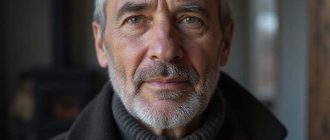
And right in the midst of it all sat me, Staff Sergeant Jack Turner.
Alone.
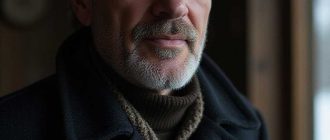
A half-eaten bacon butty cooled beside limp chips Id barely touched. My khaki jacket looked like it hadnt been washed in weeks. The Union Jack patch on my sleeve was faded and frayed. At my feet lay a battered kit bag, weathered from all those years on the move.
Most folk tried not to stare.
But they did.
Its hard not to notice a prosthetic arm resting by your drink.
Or the high-tech carbon-fibre leg sticking out from under the table.
Or the thick scar that cuts my jawline like a fault in rock.
I ate in silence, feeling everyone flow past me as if I were just a shadow out of place.
At a table close by, a little girl kept sneaking glances before finally tugging at her mums sleeve.
Mum was he in a war?
Her mum replied in a low whisper.
Dont stare, darling.
I pretended not to hear.
I was good at that.
Pretending that clattering pans didnt set my heart hammering.
Pretending that I didnt wake every night, drenched in dreams of gunfire and rotors.
Pretending I didnt still hear the throbbing of helicopters when I closed my eyes.
Through the window, London throbbed with its normal lifebuses rumbling past, people heading to work, dogs on leads. Somewhere, a faint siren traced echoing lines through the city.
A world that carried on, whether we soldiers came home or didnt.
I bit into my sandwich, eyes drifting to the news playing on the telly by the counter. Some presenter going on about the pound falling and more trouble brewing overseas.
I tensed at the word overseas.
Across the café, two men in smart suits gave me a fleeting glance before quickly looking away.
I noticed.
I always noticed.
They looked at wounded soldiers the way you look at a tree after a stormrelieved it was someone else whod taken the hit.
A waitress came over, pot of tea in hand.
Top up, love?
Her voice was kind, but careful.
I shook my head, barely meeting her eyes. No, Im alright. Thanks.
You sure?
Yeah.
She forced a polite smile and hurried away.
Near the entrance, the breakfast rush rolled on. Families shuffled in, prams and rucksacks in tow. Lively kids made a racket while staff dashed about with plates piling high with hot food.
The managers voice rose above the din.
Whos supposed to be on Table Four?
Order up for the full English at twelve!
Wheres the black pudding for Table Nine?
The noise blended into a blur, as familiar as it was distant.
I chewed in silence.
Then something small caught my eye across the floor.
For a moment, no one noticed.
A toddler had wandered away from a table near the entrancea little boy barely more than a baby, round cheeks, wild brown hair, chubby arms in blue overalls.
His steps were wobbly and determined, shoes squeaking on the wood floor.
A waitress chuckled, smitten.
He couldnt have been older than one.
Every few steps he nearly toppled, but caught himself again. A few people noticed, watching with indulgent smiles.
Wheres the lads parents, then? someone muttered at the counter.
But the boy kept going.
Past families, staff, through the busy mazestraight toward me.
I didnt see him at first, distracted by the news on tellysomething about rising energy prices and protests in Europe.
Thensmall fingers clutched my jacket.
I froze.
Looking down, I saw him: wide-eyed, cheeks pink, out of breath after his trek.
The whole café seemed to pause, curious eyes turning now.
The boy beamed at me.
Confused, I blinked.
He shuffled closer, gripping my sleeve, and thats when I noticed it.
The bracelet.
A little silver one, slack on his tiny wrist.
My heart raced.
For a second, the noise of the café fadedas if the walls had sunk underwater.
I saw the bracelet like a spotlight.
Scuffed silver.
Little nick by the clasp.
And inside, engraved in delicate script:
Always. Come home to me.
My pulse thudded in my ears.
No.
Couldnt be.
I remembered fastening it myselfsix years agorain tracking down the windowpane of a poky flat near Aldershot. Shed laughed, holding out her hand, and teased:
If you dont come back, Ill haunt you, Jack Turner.
Always. Come home to me.
Id had the matching one. OrI thought I had.
My hand twitched and my sandwich hit the plate with a dull thud.
No one else quite understood that it sounded like thunder.
The boy, oblivious, looked up trustinglyunaware that everything had just come unmoored.
The world froze as I stared at that bracelet.
My lungs clamped tight.
Because I remembered every detail.
That stormy goodbye.
The laughter trembling on her lips.
The way shed gripped my hand and whispered, Promise.
And now here it wason the wrist of a boy who should not exist.
He tugged my sleeve, voice higher this time.
Daddy.
This time, people noticed.
Conversations stumbled. A waitress stopped mid-step, tray held in midair.
The two men at the counter turned.
I snapped my head up, a sudden jolt of paniccaught in a nightmare that felt too solid to disbelieve.
No I murmured.
That child couldnt exist.
He simply couldnt.
Not after the letter.
Not after the funeral.
Not after that Union Jack folded and handed to me by a senior officer while morphine stripped the world to white noise.
My veins roared.
Suddenly, a womans voice called out:
Harry!
Hurried footsteps.
A young woman squeezed through the tables, anxiety etched across her pale face.
Dark coat.
Long brown hair.
A stain on her sleeve where coffee had spilled.
She looked wearythe kind of tired only young mums know.
She saw meand stopped in her tracks.
Her face drained of colour.
The toddler turned, grinning, Mummy!
The entire café stilled.
I pushed myself upright, the mechanical click of my leg too loud in the silence.
My gaze locked on the woman.
I recognised her, but only in flashes.
Not because I knew herrather because she looked so much like someone I once did.
Same eyes, same lips, same tight pull of panic.
My voice was rough.
Hannah?
She blinked, tears welling immediately.
A shake of her head, barely a whisper.
Im Alice.
The blood drained from my face.
Of course. Alice.
Hannahs younger sister.
The toddler reached out for me, chubby fists still clutching my jacket.
I looked down at himhis hair, his eyesthe bracelet.
And I knew in an instant why hed called me Daddybecause sometimes children know the truth before they have the words.
My breathing was ragged.
I looked back at Alice.
Hannahs gone, I stammered.
The words broke apart in my mouth.
Alice bowed her head, two quick tears rolling down.
When she looked up, I saw the weight shed been carrying.
She tried to tell you.
The café held perfectly still, rain just beginning to streak the window, no change in the bright sky.
Alice stepped closer, gentlylike someone approaching a wounded animal.
She found out she was pregnant just a fortnight before you left.
My knees nearly buckled.
No
She wrote letters, Jack.
My prosthetic hand creaked as I clenched it.
No
Alices voice cracked, trembling.
After the accident, after they told her youd died, she
I sucked in air, breath sharp and shallow.
A few around us covered their mouths, eyes wide.
Alice looked at the boythen back to me.
She wore that bracelet every day until cancer took her last winter.
The surrounding tables, the steamy tea, the cheery musicvanished.
Only the boy remained.
Still holding my jacket.
Still gazing at me with absolute, unshakeable trust.
My vision blurred.
My voice broke.
How old is he?
Alice swallowed.
Five.
The numbers slotted indeployment, the accident, the time in hospital up in Birmingham, those months when I was listed as fallen, the letters never delivered, years swallowed up by wounds, sorrys arriving long after everything important had already been lost.
My son had lived through it all.
Growing up thinking his father was gone for good.
He reached up for me.
Wanting, needing to be held.
In disbeliefand in aweI slowly, reverently, picked him up.
He settled against my chest as though hed always belonged there.
For the first time since the day I left for war, I cried without trying to hide it. There, in a crowded café, holding my sonand I finally understood that no matter how much pain the past held, there was still something waiting on the other side if you kept your heart open: a second chance.
That day I learnt youre never truly lost, not while love and hope find their way home.