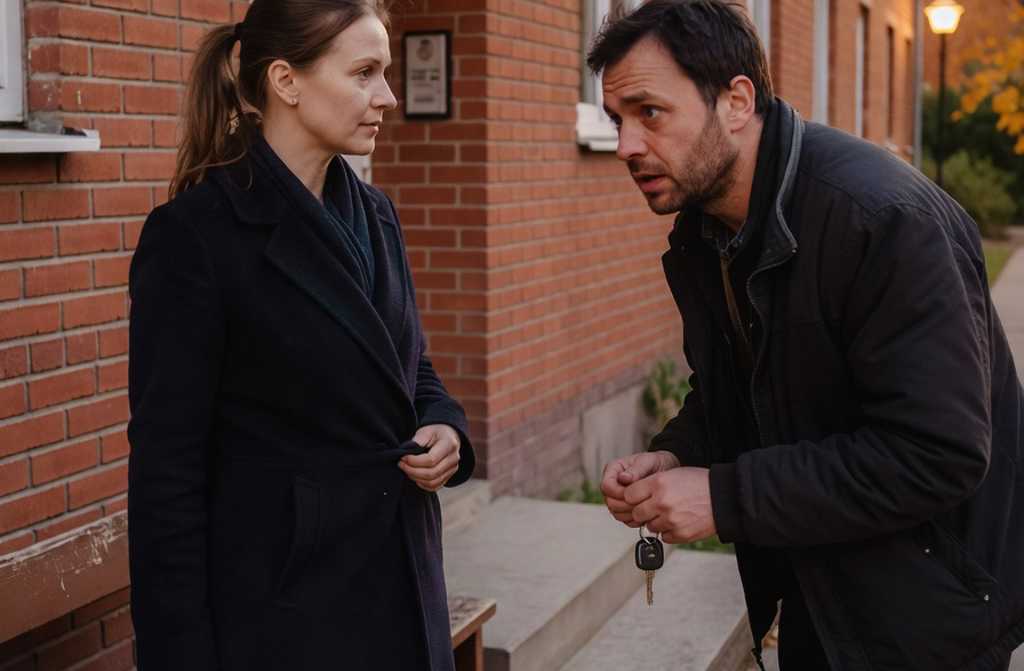
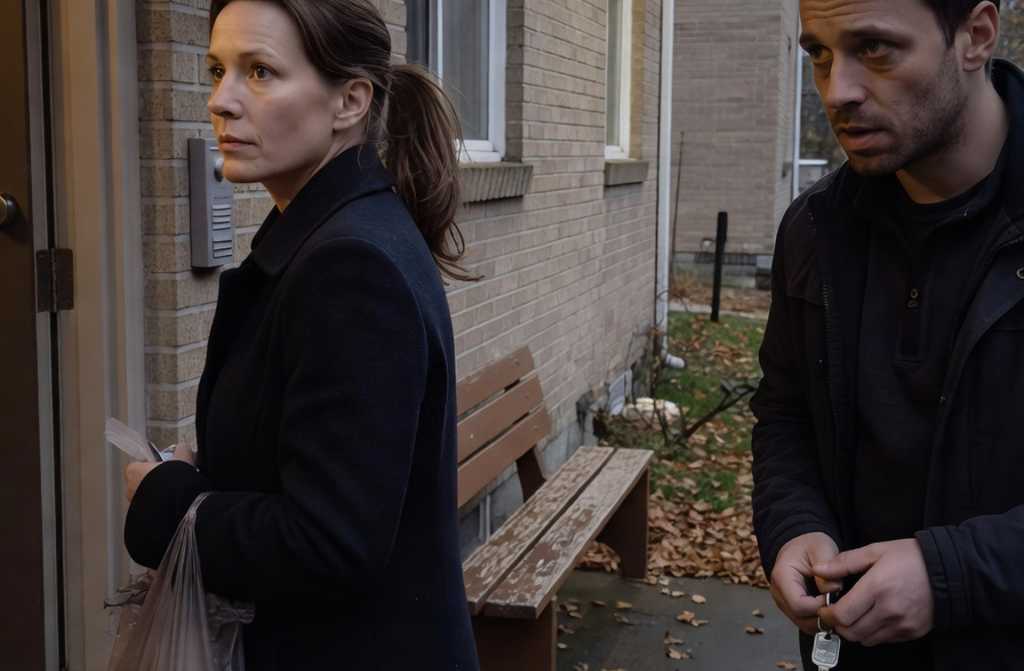
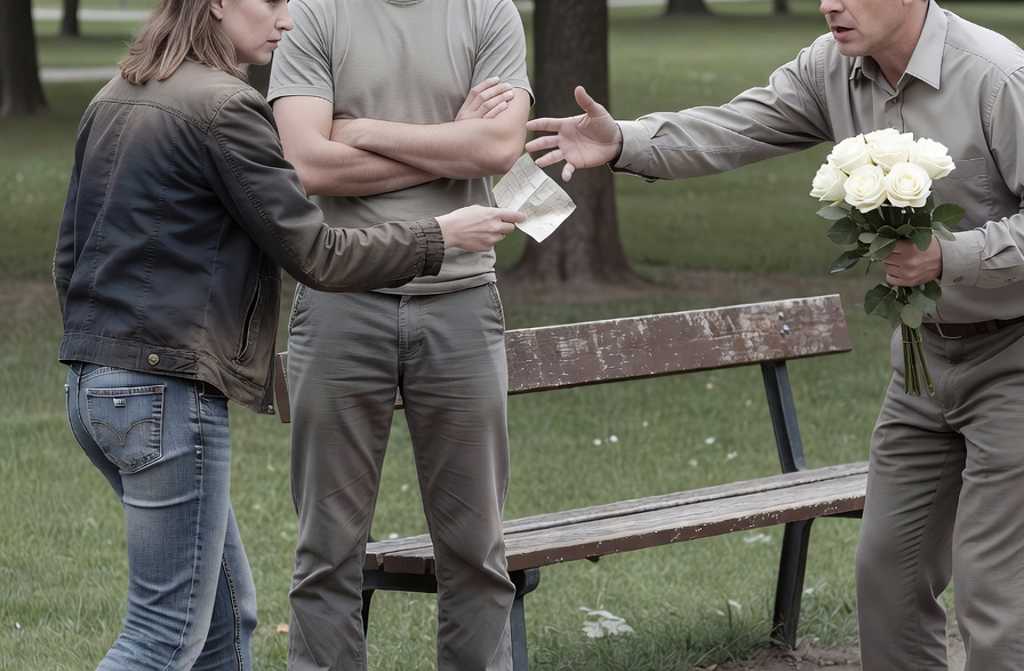
Author: Real Stories

  • Three Lovely Ladies Vied for His Heart — But It Was His Baby Boy Who Chose the Woman Who Felt Like Family

    The manor shone with elegance that night: women in flowing gowns, the glint of cut crystal, roses blooming on every side table. Yet only one pure heart beat in that bright, echoing housea boy just old enough to toddle, his honesty unconcealed.

    Nathaniel Reed had built hotels across England, from London to Manchester to rural Cornwall, his name known in every grand lobby. But after losing his wife, Clara, he found himself unable to rebuild the heart of his own home.

    His Surrey estate had everythinghousekeepers, security, lawns that rolled out beneath ancient oaks, rooms he barely entered. Only his son, Henry, slight and soulful at thirteen months, filled his life with the sudden joy of laughter that broke through sorrow like sunshine after a cloudburst.

    Nathaniel was no stranger to the motives of guests at his table. They sought influence, power, the comfort of wealth he no longer bothered to treasure. The world his wife once filled with genuine warmth now echoed with absence.

    Thus he arranged the dinner.

    Three women agreed to attend.

    Victoriaa socialite with icy composure and perfect diction. Charlottea consultant, sharp and poised, speaking of marriage as if it were a new portfolio to manage. Alicea shy baker from the village, who had once delivered loaves to the local charity Clara had adored.

    Victoria praised his house and its history before shed even removed her gloves. Charlotte asked quick, clever questions about his latest hotel near Bath. Alice quietly noticed a silver-framed photograph placed near the wine DecanterClara, cradling Henry in the hospital, her arms wrapped around him with such care.

    She had lovely eyes, Alice murmured.

    Nathaniel could not reply. No words came.

    At supper, Henry was set in his high chair by the table, fiercely banging his spoon like a tiny magistrate. Victorias laugh rang out for show when eyes were on her. Charlotte commented on his impressive confidence. Alice broke her roll into bits, softly placing them so Henry could grab them himself, patient and calm.

    Then Victoria moved close to Nathaniel, whisperedloud enough for the table to hearYou need a woman who understands this life, not someone whos ruled by sentiment.

    Alice heard her.

    So did Nathaniel.

    Moments later, Henry dropped his beaker. Milk pooled across the oak floor. Victoria pulled her dress from the mess. Charlotte summoned a housemaid with the bell rope.

    Alice simply rose from her seat, knelt, blotted the spill with a napkin.

    Its just milk, she said gently. Little ones bring little disasters.

    Henry fixed her with a sunny grin.

    After dinner, thunder shuddered above the Surrey hills. The lights dipped, and Henry whimpered. Alice began humminga simple kitchen tune, the sort sung when washing up in the evening.

    He quieted straightaway.

    Little by little, he pressed himself up from the carpet pile.

    Nathaniel stopped breathing.

    Henry teetered, arms stretched out, gaze held on Alice.

    A step. Then another.

    The whole room lingered in silence.

    Victoria purred, Come here, darling, a smile painted on for display. Charlotte leaned forward, eager to be noticed.

    But Henry shuffled past them both.

    He reached Alice, pressed his palms to her knees, and rested his cheek there as if this, finally, was where he belonged.

    Nathaniels chest achednot with pain, but with a deep, searing relief.

    No speeches were needed.

    His son had chosenthe one whod remembered Clara, whod wiped away spilled milk, who hummed when storms rolled overhead.

    That night, in a house that had long forgotten the meaning of home, Nathaniel finally understood: a heart is not won by beauty, standing, or perfect words.

    Sometimes, its won by the one who bends down first.

    For a long moment, no one dared move.

    Henry leaned against Alices knees, one small fist clutching the blue hem of her dress, his face nestled safe, thunder forgotten.

    Nathaniel felt as though the air had grown thin.

    Hed seen Henry smile before, had heard his giggle in the nursery, applauded his glee at blackbirds among the hawthorns, cradled him through the sleepless months when grief seemed to seep from every wall in the manor.

    But thisthis was different.

    This was trust.

    Victorias impeccable composure trembled. Charlotte dropped her hands into her lap. The maids and footmen watched, quiet and misty-eyed in the corridor.

    Alice gazed down at Henry, tenderness softening every feature. For the first time in months, the hard grip of Nathaniels chest loosened, just a little.

    Hello there, little one, Alice whispered warmly.

    Henry patted her knee, making a solemn coo, as if hed made a decision and dared anyone to question him.

    Nathaniel let out an uncertain laugh.

    It sounded strangeeven to himas though spring air had finally entered after too many long winters.

    Victoria coughed, adjusting her pearl choker.

    Well, she forced a brittle smile, children are so wonderfully unpredictable.

    But her confidence faded.

    Charlotte folded her napkin, edges sharp, voice precise. A charming scene, but surely you wouldnt make decisions for your home based on the wanderings of a toddler.

    Nathaniel looked at them both.

    Hed spent years surrounded by people who spoke as though his life were a chessboardplans, legacies, the grandeur of the Reed name. Polished praise, strategies, pre-written stories.

    But Alice had not admired the house first.

    Shed noticed Clara.

    Shed stooped to mop spilt milk.

    Shed responded to a childs cry.

    And Henry, it seemed, had known.

    Perhaps children did not care for titles or showy entrancesbut perhaps, Nathaniel thought, that was why they saw the truths adults preferred to hide.

    He lifted Henry high. The boy stretched toward Alice, not fussingjust reaching.

    Alices eyes began to glisten, though she brushed it away lightly.

    I should be off, she said, voice hushed. This night became far more personal than Id expected.

    Personal? Nathaniel echoed.

    Her gaze lingered at the photograph near the sideboardClaras gentle smile, the baby in her arms. Then Alice drew a small, battered envelope from her bag, creased at the edges, much-thumbed.

    I didnt entirely come here just for your invitation, she admitted.

    Victorias brow rose. Charlotte stilled.

    The room seemed to shift.

    Alice held out the envelope with steady hands.

    Your wife used to call at my bakery, she said, a tremor in her words. Not for display cakesjust the cinnamon buns, uneven with glaze because my old Aga never baked evenly.

    Nathaniels lips twitchedhe could picture Claras delight in imperfection, her love for misfit mugs, wildflowers plucked from cracks in the stone terrace.

    Shed arrive before dawn, sometimes with Henry bundled in yellow, rocking him gently as she fussed over bread for the shelter.

    Nathaniels throat grew tight.

    He remembered that yellow blanketalways slipping from her shoulder as she hurried out the door, always rushing to give more, always finding lost, wonderful things in lifes corners.

    She never talked of money or hotels, Alice said gently. She spoke about being at homehow a house must bear crumbs on the table, flour on sleeves, laughter at breakfast.

    One of the older housekeepers pressed her hand to her mouth, fighting tears.

    Nathaniel glanced down at his son, now pulling at his fathers collar, oblivious that the whole house was listening with bated breath.

    Alice held up the faded envelope.

    The morning before she Alice faltered a moment. She asked me to keep this. Told me not yetnot until Nathaniel is ready again. When he is, remind him: dont choose someone who loves the house, but someone who can love the life inside it.

    Nathaniels eyes closed.

    For months after Claras death, hed punished himself for things unsaidcups of tea gone cold as he turned away to arguments, ordinary mornings now beyond reach.

    Now, from the hands of a humble baker, his wifes voice had returnednot as a ghost, but a blessing.

    He slid a trembling finger beneath the flap, unfolded Claras letter.

    Not many wordssimply enough to break and mend him at once.

    Nathaniel,

    If youre reading this, you are beginning to live again.

    Dont feel guilty.

    Henry will need arms that hold him because they want to, not for others to see. He needs someone to sing at the sink, to make stories before bed, to know that love is not a show. Love is wiping up a spill. Its cutting toast to fit tiny fingers. Its staying calm when thunder frightens him.

    Dont choose the woman who performs tenderness. Choose the one who forgets performance entirely.

    Forgive yourself, my love.

    Our home was not built to be silent forever.

    Clara

    Tears streamed before Nathaniel could stop them.

    He turned away, ashamed, but Alice simply stood beside himnot to be seen, not to make a pointjust present, as steady as a shelter in rain.

    Victoria looked at the floor, smaller than her expensive gown. Charlottes face softened.

    I believe, Charlotte said quietly, its time we left you.

    Victoria said nothing. At the door she paused, glancing at Henry, then Alice.

    I was unkind, Victoria said at last, the words stiff and then fragile, To you.

    Alice nodded. You were.

    She spoke without bitterness.

    Victoria hesitated, swallowing. I Im sorry.

    After a pause, Alice replied with a weary but genuine smile.

    “One day, I hope you see kindness as strength, not weakness.

    Victoria could not answer, only nodded and disappeared into the rain.

    Charlotte followed, pausing long enough to nod at Nathaniel.

    She was rightabout the house, she muttered, nodding at Claras letter. Then she was gone.

    Stillness fell, but it was a kinder silencea hush with room for hope.

    Room to breathe, to grieve, to try again.

    Nathaniel turned to Alice.

    All this time you carried this?

    She nodded, worn and honest. I never knew when to give it. And I worried youd think I wanted something.

    He looked at her, then Henry, now heavy-lidded.

    What did you want?

    She glanced at his son. To keep a promise to a frienda friend who saved me by simply seeing me. Clara listened when others didnt, treated me as though I mattered. Thats a rare kindness, you know?

    The last of Nathaniels defences crumbled.

    Hed feared Claras tenderness had died with her. But it survivedin a bakery, in a letter, in a lullaby for a storm.

    In someone who stooped to help first.

    The rain eased, the old grandfather clock in the hallway struck ten.

    Henry stirred, reached for Alice.

    Nathaniel smiled through tears. Will you stay for a cup of tea?

    Alice glanced at the grand dining room, then smiled shyly toward the kitchen, where light spilled out.

    Only if we take it in the kitchen. This rooms far too daunting for a proper cuppa.

    For the first time in forever, Nathaniels laughter spilled out, warm and unguarded.

    They wandered to the kitchennot the showroom for guests, but the cooks, where the kettle hissed, a dish towel was tossed over the rolls, and mugs waited on the sideboard.

    Alice slipped off her shoes, rainwater dripping from her hem. Nathaniel rolled up his sleeves. Henry sat grinning in his battered high chair, mashing bread into crumbs.

    No one told him off.

    One by one, staff drifted insmiling, relaxed, as though at last noticing springs return.

    Alice cut Henrys toast into squares.

    Nathaniel watched, glancing down at Claras letter.

    Sometimes love is nothing fancier than toast cut small.

    He pressed it to his lips.

    I forgive myself, he breathed; only Alice heard.

    She squeezed his hand, silent but sure.

    That was enough.

    Months later, the manor was not a monument but a home.

    Sundays smelt of cinnamon, childrens books cluttered the drawing room, a wooden spoon stashed in the wrong drawer, fingerprints smeared on the door to the rose garden.

    Henry learned Alices name in his own phrasingA-lice hed chant, barreling about with one hand ungloved.

    Each time, Nathaniels heart swelled, grateful for the peace he thought hed lost forever.

    Alice did not replace Clarano one could. Instead she honoured her, kept her photo by the window, spoke of her with warmth, baked wonky cinnamon buns with sugary drips, just as Clara loved.

    One evening, as the sun kissed the far fields, Nathaniel found Alice on the back steps, Henry asleep in the crook of her arm, roses blooming and golden light in the windows.

    He sat beside her, content in the hush.

    Alice gazed down at the boy.

    He chose before we ever did, she smiled.

    Nathaniel watched his son, then the gentle woman beside him.

    Yes, he said quietly. He did.

    In that houseonce so full of losslove tiptoed back in. Not with grand gestures. Not with rehearsed lines.

    With warm bread, kitchen tunes, forgiveness, and a childs simple wisdom.

    Sometimes, the person to save a home wont arrive in diamonds or silk, but with flour on her wrist, gentleness in her touch, and a song tender enough to quiet the storm.

    And sometimes, all it takes are tiny footsteps to lead everyone home.

    Dear friends, did this ending move you?

    Have you ever watched a child see more clearly than the grown-ups? Which small kindness has made you feel truly at home? Share your heart below.

  • She Ordered Me to Leave My Own House… Unaware That Her Son Was Listening at the Door

    Say goodbye to this house, Alice.

    Margaret Whitstable said it so placidly, as if announcing the weather or the menu for tea. She stood in the long tiled hallway of our Oxfordshire home, next to the pram wrapped in pale blue ribbon from my baby shower, her smile fixed and cool as if we were merely discussing crocuses on the village green.

    I was eight months along, limbs heavy, wearing woolly socks because even my slippers were too tight for my swollen ankles.

    My son isnt here to play audience, she continued. So lets speak freely.

    My husband, Charles, was meant to be in Edinburgh for work. His train delayed, rescheduled, held up at Birmingham for hoursat least, thats what everyone told me.

    When Margaret rang the bell, I let her in with numb politeness.

    I shouldnt have.

    She glided through the house, trailing her dainty fingers over every surface, as though everything Id chosen somehow lessened the place. The blue shawl draped on the rocking chair in the nursery. The black-and-white photo of our town hall wedding. The little clay bowl Id given pride of place on the side tablethe one my own mother had shaped and painted.

    Still pretending none of it pleases you? she asked.

    Im pleased with my marriage, I said. Just not with your constant criticism.

    Her eyes narrowed, sharp as frost.

    For almost three years, Id let her call me plain in front of her friends at afternoon tea. Id smiled politely when she introduced me as Charless little curveball. Every birthday gift I sent her had been returned with starchy notes. I shielded Charles from it because he was finally learning to breathe outside her brittle hold.

    But secrets, like English rain, find a way in.

    You think this baby will make you untouchable, Margaret snipped.

    Shes not a gambit, I whispered. Shes our daughter.

    At the doorway, Mrs. Porter, our housekeeper whod worked for the family since Charles was a lad, set aside a vase of fresh daffodils.

    Thatll do, Mrs. Whitstable, Mrs. Porter said, voice trembling but resolute.

    Margaret flushed scarlet. Mind your station, Mrs. Porter!

    And you should remember shes carrying your grandchild, Mrs. Porter said quietly.

    For an instant, I thought mercy might change something.

    It didnt.

    Margaret strode towards me and dug her fingers into my arm. Her golden bangles pressed cruelly into my skin.

    Get out, she hissed. Before I make Charles see who you really are.

    I broke away; her hand whipped down and struck my cheek.

    The blow shocked me. The hallway rippled and shrank. I teetered against the staircase, my stomach knotting in fright. Mrs. Porter cried out. My knees trembled.

    Then the front door swung open.

    Charles stood there in his travel-crumpled suit, bag dangling from his fist.

    Hed heard enough to understand.

    When Margaret sought his gaze, ready with a tale, she met only her sons injured silence.

    Charles didnt raise his voice.

    That made everything heavier. Darker.

    He set his bag down, eyes capturing the red flush on my cheek, my shaking fingers, and then his mothers stony visage. Margaret opened her mouth, quick, always wanting to shape the moment before anyone else could.

    Charles, she said sweetly, thank heaven youve come. Alice was upset. She got overexcited. And Mrs. Porter misunderstood

    Dont, he said simply.

    Margaret stalled.

    The tone in his voice was neither anger nor cruelty but something softera boundary, at last.

    Mrs. Porter appeared beside me and pressed a hand to my back. Sit down, love, she breathed.

    But I couldnt move. I felt made of blown glass. The baby shifted under my ribs, and I braced my belly with trembling hands, whispering in silence, Im here. Mummys here.

    Charles approached me.

    Did she hurt you? he asked.

    Tears beat me to my answer.

    That was enough for him.

    His jaw tensed, and as he glanced at Margaret, it was as though he saw not just this moment but every sly dig Id endured through the years. Every Sunday dinner where she smiled and set me aside with words sharp as cutlery. Every unopened present. Every family occasion where I was a stranger to my own life.

    Margaret raised her chin. You dont know what shes hidden from you.

    Charles paused.

    Then say it, he challenged.

    A spark leapt in Margarets eyes, as if hed passed her a special key.

    She came into this family with a scheme, Margaret sneered. You think she loved you for you? She watched. She figured out what kind of woman youd defend: meek, grateful, easily pleased. She played to it.

    I could scarcely breathe.

    Charles met my eyes, and there was only grief, not doubt.

    Margaret pressed on, voice climbing. And the baby? You think she didnt know what bearing a child here would do? Once the babys born, shes anchored forever. Youll see her as a saint, and me as the monster.

    Mrs. Porter shook her head. Shame on you, Mrs. Whitstable.

    But Margaret was past reason.

    Shes fooled you, she aimed at Charles. The same way your father fooled everyone.

    Charles stiffened at that.

    The hallway changed; somehow colder, emptier.

    My father? he managed.

    Margarets face was suddenly waxen, as if the wrong cupboard had creaked open inside her.

    For years, Charles had believed his father abandoned them because he couldnt stand family ties. Margaret had told that story till it was a fortress in his memorynever to be rattled.

    Yet Id stumbled on the truth.

    Well, not all of it, not at first.

    One bruised autumn afternoon, searching out old cot linens in the box room, Id found a wooden tin pushed behind stacks of napkins. Inside: letters, a little bundle, fastened with a faded string.

    Letters from Charless father.

    Letters penned for years.

    Letters Margaret never allowed him to see.

    The earliest began, My dear Charles, I hope your mother lets you have this one day.

    Id kept it from Charles, not for secrecy, but because I was so pregnant, he was so weary, and this would break something inside him forever.

    I waited for the right nightquiet, the fire low, after tea, when he could hold the truth gently, and learn hed been loved all along.

    Margaret had discovered the missing box that morning.

    Now I understoodthe real reason shed come.

    Not for a chat.

    Not to check on me.

    But so Id leave before her son discovered the one thing she feared most: truth.

    Charles turned softly to me.

    Alice, he prompted. Is any of this true?

    I swiped my tears away on my cardigan sleeve. My voice was steady.

    In the nursery, I said. Bottom drawer of the white chest. Under the yellow shawl.

    Margaret took half a step back.

    Charles nodded at Mrs. Porter.

    I saw it with my own eyes, Mrs. Porter confirmed.

    He headed upstairs. None of us spoke. Margaret hovered beneath the old chandelier, still graceful, still proud, but a tremble broke her poise. For the first time, she seemed ordinary, fragile even.

    Charles came down, clutching the wooden box.

    He didnt open it right away.

    He held it, knowing already what lay within.

    Did you hide these all these years? he asked.

    Margarets lips puckered.

    Your father was weak, she hissed. He would have taken you from everything I built.

    Charles shut his eyes.

    I watched the boy inside the man mourn, quietly, so quietly, just a sigh slipped from his chest.

    All these years, he whispered.

    Margaret reached for him. I protected you!

    No, Charles replied. You protected an image of me. Not me.

    The words fell like heavy china.

    He opened the lid. The first letter was browned at the edges. His fathers script careful, almost self-effacing.

    Charles read it, barely a handful of lines before his eyes welled over.

    I wanted to go to him but let him have this moment.

    He looked up.

    You meant for me to read these? he asked softly.

    Yes, I said. After tea, when you could have peace.

    His face brushed with tenderness.

    Please, Charles, Margaret whispered.

    But he didnt budge.

    All my life, he said quietly, you taught me love was something to earn, by being good for you. Alice never asked for obedience. She just stayed. She listened. She made this house somewhere I could lay down burdens and breathe.

    A sob pressed at my throat.

    He came to me, gently, as though an abrupt touch would break me. His hand cupped my face, thumb brushing away Margarets red mark.

    Im so sorry, he breathed. I should have seen

    You were learning. We both were.

    He rested his forehead to mine, briefly.

    Then he faced his mother.

    Youll collect your coat and go today, he said. Mrs. Porter will see you out. After this, youll only visit when Alice says you may.

    Margaret blinked at him.

    It was not her ending.

    But for the first time, it was honest.

    She didnt shout. Her face crumpled, and beneath the pearls, I saw at last a frightened, lonely woman.

    I was scared, she murmured.

    Charles nodded. So was I. But I never made fear my weapon.

    Mrs. Porter held out Margarets handbag, neither unkind nor forgivingjust firm.

    Margaret took it.

    At the threshold, she looked at me. I braced for more words.

    She stared down at my belly.

    I dont know how to be a grandmother, she managed.

    Her voice was rough, as if dragged out unwillingly.

    I swallowed.

    Start by trying gentleness, I said.

    She nodded, ever so slightly, and left.

    The house did not feel grand after that.

    It felt softer. Smaller. Almost comforting.

    Mrs. Porter brought me tea and toast, cut into triangles, though I said I wasnt peckish. She set it by my chair anyway.

    Babies like toast, she sniffed, dabbing her eyes with her apron hem.

    Charles sat on the rug at my feet, the box of letters open between us. He read them, one by onesome brought a smile, others brought a faraway look out the window.

    One letter said, Plant a magnolia tree near the house one day. Forgiveness blooms slowly, but beautifully.

    That spring, after our daughter was born, Charles planted a magnolia beneath the nurserys sash window.

    We named her Grace.

    Not because it was all easy.

    But because grace found us there, even among the ruin, and settled.

    Margaret did not meet her granddaughter right away. She wrote insteadnervous little notes, marked with lavender and stubborn dignity. The first simply read: I am trying.

    Months later, when Grace was old enough to curl her fist around a strand of pearls, Margaret returned with a soft hand-sewn cot blanket, every stitch a little wobbly.

    Im not very good at this, she admitted.

    I watched my daughter sleep in Charless arms, Mrs. Porter at the kitchen door dabbing her eyes, and the magnolia blossoming white outside in the English sun.

    None of us are, I said. But we can learn.

    Margaret nodded, and when she cried this time, nobody hid their face.

    Years later, Grace would sit under that magnolia tree with her picture book and sunlight embroidered in her curls. Charles told her stories of the grandfather shed never meet, and sometimes Margaret sat peeling apples nearby, the ribbons of peel long as unspoken apologies.

    Every time the tree blossomed, I remembered the day I almost said goodbye to our home.

    But I didnt.

    Instead, I said farewell to fear.

    And, as though the house itself exhaled, there was room for love to come home.

  • The Wedding’s OffThe Wedding’s Off

    The Wedding’s OffThe Wedding’s Off

    Dear Diary,

    I never expected to pour out these events in writing, but the turmoil with Grace and those around her has left me no choice but to sort through it here. It started when Sophie walked into the room and halted at the doorway. There stood Grace in her wedding gown, looking absolutely breathtaking. The dress fit her figure just right, and a quiet, almost weightless joy lit up her eyes. Sophie could not hold back her enthusiasm.

    “My goodness, you are positively glowing!” she exclaimed, unable to pull her eyes away from her friend. “I am so happy for you! At last you have turned over a new leaf and opened your heart to fresh feelings, leaving Brandon behind! You are truly doing well!”

    Grace gave the slightest wince, and her smile vanished right away. She hurried to undo the dress fastenings, avoiding Sophie’s gaze.

    “I had better take it off,” she muttered, skillfully unfastening the tiny hooks along the side. “The ceremony is only two weeks away. If anything goes wrong with the dress, finding another just like it will be impossible.”

    Sophie bit her lip. She knew at once she had spoken out of turn. Why bring up Brandon at all? Now that a decent man had finally come into Grace’s life, any talk of the past was pointless! Brandon had not been worth even one tear from Grace, especially after all he had put her through!

    At one time Grace had truly seen him as the only one for her. She believed their bond was serious and lasting! But bit by bit everything began to crumble. First he pulled away, inventing excuses to avoid seeing her, then he openly picked apart her decisions, her friends, her ambitions. He talked her into dropping a promising work project, persuaded her against an internship abroad, and eventually pushed her to switch careers altogether.

    Grace’s family could not grasp what was going on with her. They watched her change and lose her sense of self, yet they were powerless to help. Attempts at conversation turned into rows, because Brandon had convinced Grace that her relatives simply refused to accept him and were set on wrecking their “perfect love.” The tension built until Grace nearly cut off all contact with her parents.

    Then he vanished without a trace. He walked away without a word of explanation or even a note. What remained was a deep wound in her heart and the child she chose to keep no matter what.

    Watching her friend rush to remove the wedding dress, Sophie felt a sharp pang of guilt. All she had wanted was to share in Grace’s happiness and see her content. She had never meant to stir up old hurts.

    Little Brandon is now four years old. He is a lively, curious boy who never stops asking about the world around him. One minute he wants to know why the sky is blue, the next he wonders where the clouds disappear to, and then he gets excited over bugs he spots on a walk. The staff at his daycare often remark on how bright he is: Brandon picks up new skills fast, remembers poems without trouble, and listens intently to long stories.

    He spends nearly all his time with his grandmother and grandfather, Grace’s parents. They happily took charge of raising their grandson and encouraged his growth at every turn. They picked out a daycare with French language learning, they started taking him to the swimming pool, and they signed him up for dance lessons. Grace drops by to see him a few times each week but never stays more than an hour.

    The cause is simple yet painful. Little Brandon bears a striking resemblance to his father. He has the same dark curly hair, the same eye shape, the same faintly mocking smile. Every glance at her son pulls Grace back to the past, to the days when she thought their family would be happy. She loves the boy with her whole heart, takes pride in his progress, and lights up at each of his smiles. Yet alongside that love comes a sharp, aching pain. The moment she lifts him up or meets his eyes, tears well on her lashes. She turns aside, pretends to straighten her clothes or rummage in her bag, and then weeps quietly once he can no longer see.

    One evening Grace stopped by her parents’ house to collect Brandon. The boy sat on the carpet putting a puzzle together, his brows drawn in concentration. Spotting his mother, he sprang up happily and hurried over.

    “Mom, look!” he tugged her toward the carpet. “I nearly finished it. There’s a house and a tree, and right here a dog will go!”

    Grace knelt beside him, forcing a smile.

    “Very nice,” she said, patting his head. “Well done, you are putting the pieces together so carefully.”

    Brandon paused to think, then lifted his eyes to her.

    “Mom, where is my dad? All the other kids at daycare have a dad, but I do not.”

    Grace went still. Everything inside her tightened, yet she kept her voice steady.

    “I do not know, son. Dad is far away right now. But he thinks about you, truly.”

    “Why does he never call?” Brandon frowned as though puzzling over a hard question. “I could tell him I learned to tie my own shoelaces!”

    “He is simply very busy,” Grace murmured, feeling a lump form in her throat. “But I am sure he is proud of you.”

    The boy considered this for a moment, nodded as if accepting the answer, and went back to his puzzle.

    “All right. Then I will finish this house so Dad can see how clever I am!”

    Grace stayed beside him, watching, and quietly swallowed her tears. She wished she could say more to ease his mind, but the words would not come. Instead she reached out once more and stroked his hair, breathing in the scent of children’s shampoo and trying to hold on to this moment when her son was close, content, and trusting, even with questions she could not answer.

    Even so, Grace kept thinking about Brandon. Deep down she still searched for reasons to excuse him. Perhaps something awful had happened to him? Perhaps he had landed in trouble and could not reach out? These thoughts let her keep going without falling into despair.

    Her family tried more than once to speak plainly with her. Her mother gently suggested she stop living in the past and focus on her son and her own life instead. Friends told her outright, “He left you. Time to accept it and move on!” Yet Grace would not hear them. She argued fiercely, describing how happy they had been and recalling promises he had made. The talks usually ended with her withdrawing, and the others sighing and giving up.

    Meanwhile Grace stayed active. Now and then she checked social media, rang old spots where he might turn up, and even posted appeals for help in finding him. Nothing came of it. Still she could not, or would not, accept that Brandon had simply chosen to walk away and had no intention of returning.

    Then, after five long years, someone entered Grace’s life who managed to thaw her heart. It happened almost by chance at a birthday gathering of a shared acquaintance. I caught her eye right away. I was reliable, to put it plainly. I was genuine, kind, and attentive, the best sort of man.

    From our earliest meetings Grace sensed she could be herself around me. I never demanded she put on a cheerful front or keep smiling all the time. If she felt weary I simply offered to head home. If she preferred silence I did not press her to talk. I proved to be the steady, even-tempered man she had apparently been seeking, and above all I was truly in love.

    My affection showed in small ways, such as learning ahead of time which coffee she favored, remembering her colleagues’ names and asking after them, and quietly handling everyday matters. I was ready to carry her through anything, and Grace, I will not pretend otherwise, made full use of that devotion.

    What moved her most was how easily I connected with little Brandon. At our first meeting the boy watched the stranger warily, clinging to his mother’s hand. Yet I surprised her even then. I crouched down to Brandon’s height and asked which cartoons he enjoyed. Before long we were building with blocks together while he proudly showed off his favorite toys.

    Before long I became a regular visitor at Grace’s parents’ house where Brandon lived. I took him to the park, taught him to ride a bike, and read stories at bedtime. One afternoon when Grace found us drawing together I said calmly, “I would like to be a real father to him. If you will allow it, I am prepared to adopt Brandon.”

    Sophie was genuinely pleased for her friend. She noticed Grace changing for the better: a light appeared in her eyes, the constant worry faded from her face, and her smile turned real instead of strained. But today Sophie made a clumsy mistake by accidentally touching the old wound when she mentioned Brandon during their talk. She could only hope Grace had not been too upset or fallen into gloom.

    Grace, however, stayed surprisingly composed.

    “I have grown up,” she said with a faint smile while laying the dress neatly on the bed. “And I see clearly that my feelings for Brandon belong in the past. At times I even regret giving my son the same name. I was foolish and refused to listen to advice. How do you all still put up with me?”

    Sophie touched her hand gently.

    “Do you plan to bring little Brandon home from your parents?”

    “Yes,” Grace replied, turning serious at once. “James especially insists on this. He even suggested changing the boy’s name, saying it would make things simpler for me. In any case the birth certificate will need updating once the adoption is complete.”

    She paused, watching raindrops slide down the windowpane.

    “You know, I used to fear little Brandon would always remind me of the past. But now I see I was mistaken. He is my son, and he deserves a proper childhood with two parents who love him. Grandma and grandpa are wonderful, yet they cannot take the place of parents. James understands this. He truly wants to be a father to him. You should see how attached he has grown to the boy!”

    “That is a fine plan!” Sophie said brightly. “You could ask your son which name he prefers. It might help him adjust more quickly.”

    “I am not certain. I still do not know what to do. We have time left to consider it.”

    In truth Grace was not being fully open. She still loved Brandon, and that love had never faded. Yet it had brought her nothing good. Her parents increasingly limited her time with her son because she wept at nearly every visit, frightening the child. Her friends no longer wished to hear about her troubles and privately questioned her judgment. It was time to release the past and turn to the present.

    Such as the wedding.

    Yet that proved terribly hard.

    I was certainly a good man, but I was not Brandon. Grace felt no deep affection for me; she merely used my devotion to suit her own ends.

    If Brandon ever returned, she would give anything to be at his side.

    “No wedding!” Grace declared with shining eyes, nearly dancing in place. “We are parting like ships in the night!”

    I stared at her, bewildered, struggling to take in her words. The wedding was only a week away. We had settled the menu, picked the flowers, and sent the invitations. Everything had felt real and near. And now she claimed there would be no wedding?

    “What do you mean there will not be one?” I asked, trying to decide whether she spoke in earnest or had made a poor joke. “Grace, what has happened? Tell me plainly.”

    Grace waved away my questions. She moved restlessly about the room, snatching items from shelves and tossing them into an open suitcase. Her eyes gleamed and an unfamiliar, genuine smile played on her lips.

    “Brandon is back!” she burst out without looking at me. Her voice held such unfeigned joy that something inside me gave way. “He arrived yesterday and we talked. I could scarcely believe it was real!”

    She stopped at last, faced me, and her expression showed no trace of regret, only excitement and eagerness.

    “I am thankful to you for the past six months,” she went on, her tone softening slightly. “It was peaceful and easy with you. You are a fine person, James. But I never truly loved you. Now that I have a chance at real happiness I cannot let it slip away.”

    A cold emptiness spread through my chest. Brandon again. The same man Grace spoke of with such devotion that I felt like an outsider. I had known she still thought of him, yet I had hoped time and our shared life would shift her feelings.

    “Have you spoken with him already?” I managed at last, my voice tight as though the air had thinned. “What did he say? What excuse has he offered this time?”

    “He offered no excuses,” Grace replied sharply. “He simply said he realized the mistake he made and that he had thought only of me all this time!”

    She turned away once more and kept packing while I stood rooted, watching the world around me drain of color.

    “We spoke on the phone,” she continued, sorting through a desk drawer to check for anything overlooked. “His parents forced him to study in New York and he could not warn me before leaving. Can you imagine? All that time he thought only of me but had no way to reach out. Now everything will be put right. We will be together and build a long, happy life!”

    Grace’s mind returned to that first phone call after years apart. Brandon’s voice had sounded anxious and uneven.

    “Grace, I know how bad this looks. But understand, my parents gave me no choice. They said either I study in New York or they disown me. I tried to fight it, I really did. But they froze my cards and cut off my accounts. I did not even have my own phone.”

    “Why did you never call me even once?” Grace’s voice had shaken, yet she fought to hide her hurt.

    “I could not. What would I have told you? That I proved too weak to stand up to my parents?”

    Listening then, Grace had felt warmth spread through her. All the hurt and bitterness of recent months seemed to melt in his voice. She realized she had waited for that call every single day and hour.

    “Everything will be different now,” Brandon had said. “I left my studies and came back. I am not going anywhere else.”

    Those words echoed for her as she stood before me.

    She fell quiet for a moment, glancing quickly around the room to be sure nothing was forgotten. Only then did she notice how pale I had grown. My face looked almost white and my stare had fixed on one spot, as though I saw straight through her.

    “Do not worry,” Grace added more gently yet without any doubt. “I have already told everyone the wedding is off. I explained and asked them to leave you be. You will have plenty of people offering sympathy, but you are strong and will manage.”

    She drew the suitcase closer, straightened its handle as though that mattered most, then met my eyes again with steady resolve.

    “And please do not call, send pointless messages, or leave voicemails,” she said firmly, almost as an order. “My decision is final and I will not change it for anything.”

    She lifted the suitcase, swayed briefly under its weight, then straightened and moved toward the door as if any pause might weaken her will.

    I stood in the center of the room, everything within me tightening with pain and confusion. I drew a deep breath to steady myself. I wanted to shout and demand answers, but I held back, unwilling to seem weak or desperate. I clenched my fists, then slowly released them, and spoke as evenly as I could.

    “Are you not moving too quickly?” I asked, watching her closely.

    She paused at the door, gripping the suitcase handle, yet did not turn. Her shoulders were rigid and her fingers clutched the leather strap.

    “What if he does not wish to restart things?” I went on, stepping nearer. “Or refuses to acknowledge the son? Or perhaps he has already proposed?”

    Grace spun around. Her face flushed with excitement and annoyance. She advanced several paces toward me as though determined to make me understand.

    “He asked me to come for a serious talk!” she snapped. “That is enough! And do not try to paint him badly. Brandon is not like that!”

    Her voice caught on the final words, but she steadied herself, stood tall, and tugged the suitcase onward.

    “You might at least help,” she muttered, straining to raise the heavy case.

    I stepped forward automatically as if to assist, then stopped. Why aid someone who had crushed my feelings? I saw clearly that she was already far away in her thoughts, beside Brandon. Her eyes held certainty, almost a glow of triumph: a new life of happiness and love was about to begin. She pictured him greeting her with a smile, promising everything would be fine, that they would finally be together.

    Reality was otherwise. Brandon had invited her for a serious talk only to explain himself and close the old chapter so he could begin a new one without her. He was already committed elsewhere.

    Carried away by her hopes, Grace missed the plain truth. She had waited so long for this moment that she was prepared to believe anything rather than face disappointment again.

    After dragging the suitcase to the door with effort she paused, hand on the handle, as if she might speak. Instead she changed her mind, flung the door open, and left without a backward glance.

    I remained in the middle of the room, staring at the closed door. A faint trace of her perfume still hung in the air, and her last words rang in my ears: “Brandon is not like that!”

    I lowered myself slowly onto a chair as weariness settled over me like a heavy wave. Everything had shifted too fast and too completely. Now I would have to learn how to live without Grace, without future plans, without illusions.

    Later I learned what followed when Grace arrived at Brandon’s door. He opened it, surprised by the early visit. Grace stood there with two suitcases, her face bright with joy and her eyes alight with expectation. He froze, unable to speak. Only one thought turned in his mind: how could she have misunderstood so badly?

    He had believed it was all finished long ago. When Grace began seeing me, Brandon had finally felt relief. He could return to his hometown, settle with his wife, and stop fearing sudden calls, tears, or accusations. He had even felt grateful that she had found someone else, as it resolved every difficulty at once.

    Yes, he had phoned her to explain that matters had changed and had suggested meeting on neutral ground, but that had been mere formality.

    Now she stood at his door with her belongings, clearly expecting far more than a conversation. Brandon stepped back instinctively while he collected his thoughts.

    “Brandon!” Grace cried the moment she saw him. “I have made up my mind. I am here and we will finally be together!”

    Her voice carried such certainty that no other outcome seemed possible. She moved forward, but Brandon raised his hand at once to stop her.

    “Grace, wait,” he said, keeping his tone as gentle as he could. “You may not know the full story.”

    She frowned and the smile slipped from her face.

    “What do you mean? We agreed to meet and discuss everything!”

    Brandon drew a long breath, knowing the moment could not be avoided.

    “I am married, Grace. For two years now. My wife and I are very happy.”

    Grace went rigid, her eyes wide with shock. She stayed silent for several seconds as though the words would not sink in. Then her face twisted, mixing panic, hurt, and outrage.

    “What are you saying?” she whispered, shaking her head. “That cannot be true. You called and told me everything had changed!”

    “I called to say goodbye properly,” he answered quietly. “I wanted to explain that time has passed and each of us has a separate life now. You seem to have taken it differently.”

    Grace retreated a step, her hands shaking. She balled her fists to regain control, yet emotions surged.

    “You lied to me the whole time!” she shouted, her voice quivering with rage. “How could you? I gave up everything for you!”

    Irritation rose in Brandon. He had no wish for a scene or to defend himself, but Grace showed no sign of leaving without answers.

    “I never promised you anything,” he stated firmly. “You decided on your own that we would be together. I only spoke carefully because I did not want to hurt you. Now it is clear, is it not?”

    Grace cried out, seized one suitcase, and hurled it to the floor. Clothes spilled across the hallway, yet she paid no heed. She shouted accusations and demands, her voice growing louder.

    Brandon had to guide her firmly but politely into the entrance hall. He shut the door, hoping that would end the matter. Grace did not quiet, however. She pounded on the door, screamed his name, and drew neighbors to their peepholes. Some coughed in annoyance; others voiced loud complaints.

    An hour later, when her shouting grew still louder and neighbors threatened to summon the police, she finally departed. Before she left she turned, faced Brandon’s door, and sobbed, “I will be back! You will regret this!”

    Brandon closed his eyes, overcome by exhaustion. He knew this was not over. Grace was determined, and once she set her mind to something she would not yield easily.

    He walked to the living room, sat on the sofa, and considered his next steps. He could not remain in the apartment; Grace might return, create another scene, and disturb the neighbors. He took out his phone and opened a property site.

    “I need to sell this place and find another,” he decided. “Preferably across the city.”

    Grace walked the streets without seeing anything around her. Tears blurred her vision, broken thoughts circled in her mind, and her heart felt heavy and hollow. She still could not fully take in what had occurred. She had pictured Brandon meeting her with open arms, saying he had waited for this, that they would finally be together. Reality had proved harsh and unyielding.

    She wandered for hours, attempting to steady herself. Her feet carried her to my door. Grace paused at the entrance, wiped her eyes, and smoothed her hair, wanting to appear at least somewhat composed. She drew a deep breath, climbed the stairs, and pressed the bell.

    I did not answer at once. When I finally stood in the doorway my face stayed cold and distant. I looked at her in silence and made no move to ask her inside.

    “James, please,” she began, her voice unsteady. “I know what I have done. I understand how foolish and cruel it was. But I want to make it right.”

    She stopped, searching for words while fresh tears shone in her eyes.

    “I will never speak Brandon’s name again,” she went on, meeting my gaze. “I promise. All of this was a mistake. I see now that only with you can I be happy. Please give me another chance.”

    Her tone sounded sincere and almost frantic. She believed her own words in that moment; it seemed to her that if I forgave her, matters would mend.

    I shook my head slowly. No, I would not be taken in a second time.

    “Grace,” I said quietly, “you made your choice hours ago. You stood in this apartment with your suitcases and told me you were going to him. You were certain.”

    “I was wrong!” she cut in. “I did not know what I was doing! I was overwhelmed!”

    I sighed and ran a hand through my hair. It was difficult, yet I knew I could not yield to feeling again.

    “You did not simply leave me. You left for him. You chose, and I accepted it. Now that things have gone wrong you want to return?”

    “Yes!” Grace cried. “Because I love you. Only you.”

    I stayed quiet for a few seconds, then gave a small smile and spoke with sudden firmness.

    “I no longer believe your words are sincere. Goodbye.”

    Grace felt something break inside her. I regarded her calmly, without anger, yet my eyes held no doubt. I truly no longer trusted her.

    “Please,” she whispered, but her voice faltered and stopped.

    “I am sorry,” I said. “But this is better for both of us.”

    I closed the door, leaving her alone in the empty hallway. She remained still for several moments before sinking onto the step, covering her face with her hands, and weeping. These tears came not from anger or hurt but from the bitter understanding that she had lost both Brandon and me and now had no idea how to continue.

    Through all of this I have come to realize that one must never overlook clear signs that a person remains bound to the past, for doing so only invites needless pain and lost years; honesty with oneself and with others about true emotions is essential before building any shared future.Dear Diary,

    I never expected to pour out these events in writing, but the turmoil with Grace and those around her has left me no choice but to sort through it here. It started when Sophie walked into the room and halted at the doorway. There stood Grace in her wedding gown, looking absolutely breathtaking. The dress fit her figure just right, and a quiet, almost weightless joy lit up her eyes. Sophie could not hold back her enthusiasm.

    “My goodness, you are positively glowing!” she exclaimed, unable to pull her eyes away from her friend. “I am so happy for you! At last you have turned over a new leaf and opened your heart to fresh feelings, leaving Brandon behind! You are truly doing well!”

    Grace gave the slightest wince, and her smile vanished right away. She hurried to undo the dress fastenings, avoiding Sophie’s gaze.

    “I had better take it off,” she muttered, skillfully unfastening the tiny hooks along the side. “The ceremony is only two weeks away. If anything goes wrong with the dress, finding another just like it will be impossible.”

    Sophie bit her lip. She knew at once she had spoken out of turn. Why bring up Brandon at all? Now that a decent man had finally come into Grace’s life, any talk of the past was pointless! Brandon had not been worth even one tear from Grace, especially after all he had put her through!

    At one time Grace had truly seen him as the only one for her. She believed their bond was serious and lasting! But bit by bit everything began to crumble. First he pulled away, inventing excuses to avoid seeing her, then he openly picked apart her decisions, her friends, her ambitions. He talked her into dropping a promising work project, persuaded her against an internship abroad, and eventually pushed her to switch careers altogether.

    Grace’s family could not grasp what was going on with her. They watched her change and lose her sense of self, yet they were powerless to help. Attempts at conversation turned into rows, because Brandon had convinced Grace that her relatives simply refused to accept him and were set on wrecking their “perfect love.” The tension built until Grace nearly cut off all contact with her parents.

    Then he vanished without a trace. He walked away without a word of explanation or even a note. What remained was a deep wound in her heart and the child she chose to keep no matter what.

    Watching her friend rush to remove the wedding dress, Sophie felt a sharp pang of guilt. All she had wanted was to share in Grace’s happiness and see her content. She had never meant to stir up old hurts.

    Little Brandon is now four years old. He is a lively, curious boy who never stops asking about the world around him. One minute he wants to know why the sky is blue, the next he wonders where the clouds disappear to, and then he gets excited over bugs he spots on a walk. The staff at his daycare often remark on how bright he is: Brandon picks up new skills fast, remembers poems without trouble, and listens intently to long stories.

    He spends nearly all his time with his grandmother and grandfather, Grace’s parents. They happily took charge of raising their grandson and encouraged his growth at every turn. They picked out a daycare with French language learning, they started taking him to the swimming pool, and they signed him up for dance lessons. Grace drops by to see him a few times each week but never stays more than an hour.

    The cause is simple yet painful. Little Brandon bears a striking resemblance to his father. He has the same dark curly hair, the same eye shape, the same faintly mocking smile. Every glance at her son pulls Grace back to the past, to the days when she thought their family would be happy. She loves the boy with her whole heart, takes pride in his progress, and lights up at each of his smiles. Yet alongside that love comes a sharp, aching pain. The moment she lifts him up or meets his eyes, tears well on her lashes. She turns aside, pretends to straighten her clothes or rummage in her bag, and then weeps quietly once he can no longer see.

    One evening Grace stopped by her parents’ house to collect Brandon. The boy sat on the carpet putting a puzzle together, his brows drawn in concentration. Spotting his mother, he sprang up happily and hurried over.

    “Mom, look!” he tugged her toward the carpet. “I nearly finished it. There’s a house and a tree, and right here a dog will go!”

    Grace knelt beside him, forcing a smile.

    “Very nice,” she said, patting his head. “Well done, you are putting the pieces together so carefully.”

    Brandon paused to think, then lifted his eyes to her.

    “Mom, where is my dad? All the other kids at daycare have a dad, but I do not.”

    Grace went still. Everything inside her tightened, yet she kept her voice steady.

    “I do not know, son. Dad is far away right now. But he thinks about you, truly.”

    “Why does he never call?” Brandon frowned as though puzzling over a hard question. “I could tell him I learned to tie my own shoelaces!”

    “He is simply very busy,” Grace murmured, feeling a lump form in her throat. “But I am sure he is proud of you.”

    The boy considered this for a moment, nodded as if accepting the answer, and went back to his puzzle.

    “All right. Then I will finish this house so Dad can see how clever I am!”

    Grace stayed beside him, watching, and quietly swallowed her tears. She wished she could say more to ease his mind, but the words would not come. Instead she reached out once more and stroked his hair, breathing in the scent of children’s shampoo and trying to hold on to this moment when her son was close, content, and trusting, even with questions she could not answer.

    Even so, Grace kept thinking about Brandon. Deep down she still searched for reasons to excuse him. Perhaps something awful had happened to him? Perhaps he had landed in trouble and could not reach out? These thoughts let her keep going without falling into despair.

    Her family tried more than once to speak plainly with her. Her mother gently suggested she stop living in the past and focus on her son and her own life instead. Friends told her outright, “He left you. Time to accept it and move on!” Yet Grace would not hear them. She argued fiercely, describing how happy they had been and recalling promises he had made. The talks usually ended with her withdrawing, and the others sighing and giving up.

    Meanwhile Grace stayed active. Now and then she checked social media, rang old spots where he might turn up, and even posted appeals for help in finding him. Nothing came of it. Still she could not, or would not, accept that Brandon had simply chosen to walk away and had no intention of returning.

    Then, after five long years, someone entered Grace’s life who managed to thaw her heart. It happened almost by chance at a birthday gathering of a shared acquaintance. I caught her eye right away. I was reliable, to put it plainly. I was genuine, kind, and attentive, the best sort of man.

    From our earliest meetings Grace sensed she could be herself around me. I never demanded she put on a cheerful front or keep smiling all the time. If she felt weary I simply offered to head home. If she preferred silence I did not press her to talk. I proved to be the steady, even-tempered man she had apparently been seeking, and above all I was truly in love.

    My affection showed in small ways, such as learning ahead of time which coffee she favored, remembering her colleagues’ names and asking after them, and quietly handling everyday matters. I was ready to carry her through anything, and Grace, I will not pretend otherwise, made full use of that devotion.

    What moved her most was how easily I connected with little Brandon. At our first meeting the boy watched the stranger warily, clinging to his mother’s hand. Yet I surprised her even then. I crouched down to Brandon’s height and asked which cartoons he enjoyed. Before long we were building with blocks together while he proudly showed off his favorite toys.

    Before long I became a regular visitor at Grace’s parents’ house where Brandon lived. I took him to the park, taught him to ride a bike, and read stories at bedtime. One afternoon when Grace found us drawing together I said calmly, “I would like to be a real father to him. If you will allow it, I am prepared to adopt Brandon.”

    Sophie was genuinely pleased for her friend. She noticed Grace changing for the better: a light appeared in her eyes, the constant worry faded from her face, and her smile turned real instead of strained. But today Sophie made a clumsy mistake by accidentally touching the old wound when she mentioned Brandon during their talk. She could only hope Grace had not been too upset or fallen into gloom.

    Grace, however, stayed surprisingly composed.

    “I have grown up,” she said with a faint smile while laying the dress neatly on the bed. “And I see clearly that my feelings for Brandon belong in the past. At times I even regret giving my son the same name. I was foolish and refused to listen to advice. How do you all still put up with me?”

    Sophie touched her hand gently.

    “Do you plan to bring little Brandon home from your parents?”

    “Yes,” Grace replied, turning serious at once. “James especially insists on this. He even suggested changing the boy’s name, saying it would make things simpler for me. In any case the birth certificate will need updating once the adoption is complete.”

    She paused, watching raindrops slide down the windowpane.

    “You know, I used to fear little Brandon would always remind me of the past. But now I see I was mistaken. He is my son, and he deserves a proper childhood with two parents who love him. Grandma and grandpa are wonderful, yet they cannot take the place of parents. James understands this. He truly wants to be a father to him. You should see how attached he has grown to the boy!”

    “That is a fine plan!” Sophie said brightly. “You could ask your son which name he prefers. It might help him adjust more quickly.”

    “I am not certain. I still do not know what to do. We have time left to consider it.”

    In truth Grace was not being fully open. She still loved Brandon, and that love had never faded. Yet it had brought her nothing good. Her parents increasingly limited her time with her son because she wept at nearly every visit, frightening the child. Her friends no longer wished to hear about her troubles and privately questioned her judgment. It was time to release the past and turn to the present.

    Such as the wedding.

    Yet that proved terribly hard.

    I was certainly a good man, but I was not Brandon. Grace felt no deep affection for me; she merely used my devotion to suit her own ends.

    If Brandon ever returned, she would give anything to be at his side.

    “No wedding!” Grace declared with shining eyes, nearly dancing in place. “We are parting like ships in the night!”

    I stared at her, bewildered, struggling to take in her words. The wedding was only a week away. We had settled the menu, picked the flowers, and sent the invitations. Everything had felt real and near. And now she claimed there would be no wedding?

    “What do you mean there will not be one?” I asked, trying to decide whether she spoke in earnest or had made a poor joke. “Grace, what has happened? Tell me plainly.”

    Grace waved away my questions. She moved restlessly about the room, snatching items from shelves and tossing them into an open suitcase. Her eyes gleamed and an unfamiliar, genuine smile played on her lips.

    “Brandon is back!” she burst out without looking at me. Her voice held such unfeigned joy that something inside me gave way. “He arrived yesterday and we talked. I could scarcely believe it was real!”

    She stopped at last, faced me, and her expression showed no trace of regret, only excitement and eagerness.

    “I am thankful to you for the past six months,” she went on, her tone softening slightly. “It was peaceful and easy with you. You are a fine person, James. But I never truly loved you. Now that I have a chance at real happiness I cannot let it slip away.”

    A cold emptiness spread through my chest. Brandon again. The same man Grace spoke of with such devotion that I felt like an outsider. I had known she still thought of him, yet I had hoped time and our shared life would shift her feelings.

    “Have you spoken with him already?” I managed at last, my voice tight as though the air had thinned. “What did he say? What excuse has he offered this time?”

    “He offered no excuses,” Grace replied sharply. “He simply said he realized the mistake he made and that he had thought only of me all this time!”

    She turned away once more and kept packing while I stood rooted, watching the world around me drain of color.

    “We spoke on the phone,” she continued, sorting through a desk drawer to check for anything overlooked. “His parents forced him to study in New York and he could not warn me before leaving. Can you imagine? All that time he thought only of me but had no way to reach out. Now everything will be put right. We will be together and build a long, happy life!”

    Grace’s mind returned to that first phone call after years apart. Brandon’s voice had sounded anxious and uneven.

    “Grace, I know how bad this looks. But understand, my parents gave me no choice. They said either I study in New York or they disown me. I tried to fight it, I really did. But they froze my cards and cut off my accounts. I did not even have my own phone.”

    “Why did you never call me even once?” Grace’s voice had shaken, yet she fought to hide her hurt.

    “I could not. What would I have told you? That I proved too weak to stand up to my parents?”

    Listening then, Grace had felt warmth spread through her. All the hurt and bitterness of recent months seemed to melt in his voice. She realized she had waited for that call every single day and hour.

    “Everything will be different now,” Brandon had said. “I left my studies and came back. I am not going anywhere else.”

    Those words echoed for her as she stood before me.

    She fell quiet for a moment, glancing quickly around the room to be sure nothing was forgotten. Only then did she notice how pale I had grown. My face looked almost white and my stare had fixed on one spot, as though I saw straight through her.

    “Do not worry,” Grace added more gently yet without any doubt. “I have already told everyone the wedding is off. I explained and asked them to leave you be. You will have plenty of people offering sympathy, but you are strong and will manage.”

    She drew the suitcase closer, straightened its handle as though that mattered most, then met my eyes again with steady resolve.

    “And please do not call, send pointless messages, or leave voicemails,” she said firmly, almost as an order. “My decision is final and I will not change it for anything.”

    She lifted the suitcase, swayed briefly under its weight, then straightened and moved toward the door as if any pause might weaken her will.

    I stood in the center of the room, everything within me tightening with pain and confusion. I drew a deep breath to steady myself. I wanted to shout and demand answers, but I held back, unwilling to seem weak or desperate. I clenched my fists, then slowly released them, and spoke as evenly as I could.

    “Are you not moving too quickly?” I asked, watching her closely.

    She paused at the door, gripping the suitcase handle, yet did not turn. Her shoulders were rigid and her fingers clutched the leather strap.

    “What if he does not wish to restart things?” I went on, stepping nearer. “Or refuses to acknowledge the son? Or perhaps he has already proposed?”

    Grace spun around. Her face flushed with excitement and annoyance. She advanced several paces toward me as though determined to make me understand.

    “He asked me to come for a serious talk!” she snapped. “That is enough! And do not try to paint him badly. Brandon is not like that!”

    Her voice caught on the final words, but she steadied herself, stood tall, and tugged the suitcase onward.

    “You might at least help,” she muttered, straining to raise the heavy case.

    I stepped forward automatically as if to assist, then stopped. Why aid someone who had crushed my feelings? I saw clearly that she was already far away in her thoughts, beside Brandon. Her eyes held certainty, almost a glow of triumph: a new life of happiness and love was about to begin. She pictured him greeting her with a smile, promising everything would be fine, that they would finally be together.

    Reality was otherwise. Brandon had invited her for a serious talk only to explain himself and close the old chapter so he could begin a new one without her. He was already committed elsewhere.

    Carried away by her hopes, Grace missed the plain truth. She had waited so long for this moment that she was prepared to believe anything rather than face disappointment again.

    After dragging the suitcase to the door with effort she paused, hand on the handle, as if she might speak. Instead she changed her mind, flung the door open, and left without a backward glance.

    I remained in the middle of the room, staring at the closed door. A faint trace of her perfume still hung in the air, and her last words rang in my ears: “Brandon is not like that!”

    I lowered myself slowly onto a chair as weariness settled over me like a heavy wave. Everything had shifted too fast and too completely. Now I would have to learn how to live without Grace, without future plans, without illusions.

    Later I learned what followed when Grace arrived at Brandon’s door. He opened it, surprised by the early visit. Grace stood there with two suitcases, her face bright with joy and her eyes alight with expectation. He froze, unable to speak. Only one thought turned in his mind: how could she have misunderstood so badly?

    He had believed it was all finished long ago. When Grace began seeing me, Brandon had finally felt relief. He could return to his hometown, settle with his wife, and stop fearing sudden calls, tears, or accusations. He had even felt grateful that she had found someone else, as it resolved every difficulty at once.

    Yes, he had phoned her to explain that matters had changed and had suggested meeting on neutral ground, but that had been mere formality.

    Now she stood at his door with her belongings, clearly expecting far more than a conversation. Brandon stepped back instinctively while he collected his thoughts.

    “Brandon!” Grace cried the moment she saw him. “I have made up my mind. I am here and we will finally be together!”

    Her voice carried such certainty that no other outcome seemed possible. She moved forward, but Brandon raised his hand at once to stop her.

    “Grace, wait,” he said, keeping his tone as gentle as he could. “You may not know the full story.”

    She frowned and the smile slipped from her face.

    “What do you mean? We agreed to meet and discuss everything!”

    Brandon drew a long breath, knowing the moment could not be avoided.

    “I am married, Grace. For two years now. My wife and I are very happy.”

    Grace went rigid, her eyes wide with shock. She stayed silent for several seconds as though the words would not sink in. Then her face twisted, mixing panic, hurt, and outrage.

    “What are you saying?” she whispered, shaking her head. “That cannot be true. You called and told me everything had changed!”

    “I called to say goodbye properly,” he answered quietly. “I wanted to explain that time has passed and each of us has a separate life now. You seem to have taken it differently.”

    Grace retreated a step, her hands shaking. She balled her fists to regain control, yet emotions surged.

    “You lied to me the whole time!” she shouted, her voice quivering with rage. “How could you? I gave up everything for you!”

    Irritation rose in Brandon. He had no wish for a scene or to defend himself, but Grace showed no sign of leaving without answers.

    “I never promised you anything,” he stated firmly. “You decided on your own that we would be together. I only spoke carefully because I did not want to hurt you. Now it is clear, is it not?”

    Grace cried out, seized one suitcase, and hurled it to the floor. Clothes spilled across the hallway, yet she paid no heed. She shouted accusations and demands, her voice growing louder.

    Brandon had to guide her firmly but politely into the entrance hall. He shut the door, hoping that would end the matter. Grace did not quiet, however. She pounded on the door, screamed his name, and drew neighbors to their peepholes. Some coughed in annoyance; others voiced loud complaints.

    An hour later, when her shouting grew still louder and neighbors threatened to summon the police, she finally departed. Before she left she turned, faced Brandon’s door, and sobbed, “I will be back! You will regret this!”

    Brandon closed his eyes, overcome by exhaustion. He knew this was not over. Grace was determined, and once she set her mind to something she would not yield easily.

    He walked to the living room, sat on the sofa, and considered his next steps. He could not remain in the apartment; Grace might return, create another scene, and disturb the neighbors. He took out his phone and opened a property site.

    “I need to sell this place and find another,” he decided. “Preferably across the city.”

    Grace walked the streets without seeing anything around her. Tears blurred her vision, broken thoughts circled in her mind, and her heart felt heavy and hollow. She still could not fully take in what had occurred. She had pictured Brandon meeting her with open arms, saying he had waited for this, that they would finally be together. Reality had proved harsh and unyielding.

    She wandered for hours, attempting to steady herself. Her feet carried her to my door. Grace paused at the entrance, wiped her eyes, and smoothed her hair, wanting to appear at least somewhat composed. She drew a deep breath, climbed the stairs, and pressed the bell.

    I did not answer at once. When I finally stood in the doorway my face stayed cold and distant. I looked at her in silence and made no move to ask her inside.

    “James, please,” she began, her voice unsteady. “I know what I have done. I understand how foolish and cruel it was. But I want to make it right.”

    She stopped, searching for words while fresh tears shone in her eyes.

    “I will never speak Brandon’s name again,” she went on, meeting my gaze. “I promise. All of this was a mistake. I see now that only with you can I be happy. Please give me another chance.”

    Her tone sounded sincere and almost frantic. She believed her own words in that moment; it seemed to her that if I forgave her, matters would mend.

    I shook my head slowly. No, I would not be taken in a second time.

    “Grace,” I said quietly, “you made your choice hours ago. You stood in this apartment with your suitcases and told me you were going to him. You were certain.”

    “I was wrong!” she cut in. “I did not know what I was doing! I was overwhelmed!”

    I sighed and ran a hand through my hair. It was difficult, yet I knew I could not yield to feeling again.

    “You did not simply leave me. You left for him. You chose, and I accepted it. Now that things have gone wrong you want to return?”

    “Yes!” Grace cried. “Because I love you. Only you.”

    I stayed quiet for a few seconds, then gave a small smile and spoke with sudden firmness.

    “I no longer believe your words are sincere. Goodbye.”

    Grace felt something break inside her. I regarded her calmly, without anger, yet my eyes held no doubt. I truly no longer trusted her.

    “Please,” she whispered, but her voice faltered and stopped.

    “I am sorry,” I said. “But this is better for both of us.”

    I closed the door, leaving her alone in the empty hallway. She remained still for several moments before sinking onto the step, covering her face with her hands, and weeping. These tears came not from anger or hurt but from the bitter understanding that she had lost both Brandon and me and now had no idea how to continue.

    Through all of this I have come to realize that one must never overlook clear signs that a person remains bound to the past, for doing so only invites needless pain and lost years; honesty with oneself and with others about true emotions is essential before building any shared future.

  • The Wedding’s OffThe Wedding’s Off

    The Wedding’s OffThe Wedding’s Off

    Emily had stepped into the room and halted at the doorway. There before her stood Charlotte in her wedding dress, and she appeared radiant. The gown fitted her shape perfectly, while a quiet, almost floating sense of joy lit up her eyes. Emily could not hold back her excitement.

    “Goodness, you are glowing!” she burst out, keeping her gaze fixed on her friend. “I feel so pleased for you! At last you managed to leave that chapter behind and open your heart to fresh feelings, putting Nathan out of your mind! You really did well!”

    Charlotte gave the slightest wince, and her smile vanished at once. She hurried to undo the fastenings on the dress, avoiding Emily’s look.

    “I had better take it off,” she mumbled, quickly releasing the tiny hooks along the side. “Only two weeks remain until the ceremony. Should anything go wrong with the dress, it will be impossible to find another like it.”

    Emily bit her lip. She realised straight away that she had spoken out of turn. There had been no need to bring up Nathan. Now that a decent man had entered Charlotte’s life, any reference to the past was entirely out of place. Nathan had not been worth even one of Charlotte’s tears, least of all after everything he had caused.

    Once Charlotte had truly believed he was the one, her only match. She had held that their bond would last for good. Yet little by little it had begun to crumble. He grew distant at first, inventing reasons to avoid seeing her, then began openly finding fault with her decisions, her companions, her hopes. He talked her out of a promising task at her job, persuaded her to pass up a training opportunity overseas, and in the end pressed her to alter her line of work altogether.

    Charlotte’s family could not grasp what had come over her. They noticed how she altered, how she lost her old self, yet they could achieve nothing. Efforts to speak with her ended in rows, for Nathan had convinced Charlotte that her own people simply would not accept him and sought to wreck their “ideal love.” The trouble mounted until, for a time, Charlotte scarcely spoke with her parents at all.

    Then he was gone. He simply departed, offering no word of explanation and leaving not even a note of farewell. All that remained was a deep wound in her heart, and a child, whom Charlotte chose to keep no matter what.

    Now, as she watched her friend rush to remove the wedding dress, Emily felt a sharp stab of guilt. She had wished only to share in Charlotte’s happiness and see her content. She had certainly not meant to stir up painful recollections.

    By then little Nathan had reached four years of age. He was a lively, inquisitive boy who never stopped asking questions about the world around him. At one moment he tried to work out why the sky was blue, at another he wondered where the clouds went, and then he would examine insects with delight during a walk. The staff at the nursery often remarked on his quick mind: Nathan picked up new skills readily, learned verses without trouble, and listened with keen interest to lengthy stories.

    He spent nearly every hour with his grandmother and grandfather, Charlotte’s parents. They had gladly shouldered the care of their grandson and encouraged his growth at every turn. They were the ones who had picked the nursery that taught English, the ones who had started taking him to the swimming baths, the ones who had placed him in dance lessons. Charlotte visited her son a few times each week, yet she never remained longer than an hour.

    The cause was plain and hurtful. Little Nathan bore a striking likeness to his father. He had the same dark, curling hair, the same shape of eyes, the same faintly teasing smile. Each time she looked at her son, Charlotte felt herself drawn back to earlier days, when she had trusted that their family would be content. She loved the child with every part of her heart, felt pride in his achievements, and took joy in each smile. Yet with that love came always a sharp, pinching ache. The moment she lifted him or met his gaze, tears would gather on her lashes. She would turn aside, pretend to straighten his clothes or search inside her bag, and later she would weep quietly once he could no longer see.

    One evening Charlotte called at her parents’ house to collect Nathan. The boy sat on the rug working at a jigsaw puzzle, his brows drawn in concentration. When he saw his mother he sprang up with delight and ran to her.

    “Mum, look!” he tugged her toward the rug. “I am nearly finished. There is a house and a tree here, and over there it will be a dog!”

    Charlotte knelt beside him, forcing a smile.

    “It is very lovely,” she said, patting his head. “Well done, the way you fit everything so neatly.”

    Nathan paused to think, then lifted his eyes to hers.

    “Mum, where is my dad? At nursery all the other children have a dad, only I do not.”

    Charlotte went still. Everything inside her tightened, but she kept her voice steady.

    “I do not know, my dear. Your dad is far away just now. Still, he thinks of you, truly.”

    “Why does he not ring?” Nathan frowned, as though puzzling over a hard sum. “I could tell him I learned to tie my own laces!”

    “He is simply very occupied,” Charlotte answered, feeling a tightness rise in her throat. “Yet I am certain he is proud of you.”

    The boy considered for a moment, nodded as though satisfied, and returned to his puzzle.

    “All right. Then I will finish this house, and Dad will see how clever I am.”

    Charlotte stayed beside him, watching, and swallowed her tears in silence. She wished to offer more comfort, yet no words came. Instead she reached out once more and smoothed his hair, breathing in the scent of his shampoo and holding fast to the moment when her son was close, content and trusting, despite the questions she could not answer.

    Even so, Charlotte never ceased to think of Nathan. In her deepest heart she kept seeking reasons for his actions. Perhaps something dreadful had befallen him. Perhaps he had met trouble and could not send word. Such thoughts helped her remain steady and not sink into despair.

    Those close to her had tried more than once to speak plainly. Her mother had gently suggested that living in the past served no purpose and that she should attend to her son and her own days. Friends had said outright that he had left her and that it was time to accept the fact and move forward. Yet Charlotte would hear none of it. She argued heatedly, spoke of how happy they once had been, and recalled the promises he had given. Such talks often ended with her closing in upon herself, while the others sighed and drew back.

    Meanwhile Charlotte kept herself busy. Now and then she checked social media, rang places where he might once have appeared, and even posted appeals for help in finding him. Nothing came of it. Still she could not, or would not, accept that Nathan had simply walked away by choice and had no intention of returning.

    Then, after five long years, someone entered Charlotte’s life who succeeded in warming her heart. It occurred almost by chance at the birthday gathering of a shared acquaintance. Edward caught her notice at once. He was steady, there was no other word for it. He was genuine, kind, attentive, the finest sort of man.

    From their earliest meetings Charlotte felt she could be herself with him. Edward never asked her to put on a show of cheer or keep smiling without end. If she grew weary he simply proposed they go home. If she preferred silence he did not press her to talk. He proved to be the very man she had seemed to seek: serious, even-tempered, and, above all, truly in love.

    His regard showed itself in small ways: the way he learned beforehand which coffee she preferred, how he remembered her colleagues’ names and asked after their affairs, how he quietly took charge of ordinary matters. He was willing to carry her through any difficulty, and Charlotte, it must be said, made full use of that devotion.

    What moved her most was the way Edward got on with little Nathan. At their first meeting the boy regarded the stranger warily, clinging to his mother’s hand. Yet Edward surprised her even there. He crouched to Nathan’s height and asked which cartoons the child enjoyed. Within half an hour they were busy with building blocks, and Nathan was eagerly showing the visitor his favourite toys.

    In time Edward became a regular visitor at Charlotte’s parents’ house, where Nathan lived. He took the boy to the park, taught him to ride a bicycle, and read him stories at bedtime. One day, when Charlotte found them drawing together, Edward remarked calmly, “I should like to be a true father to him. If you agree, I am prepared to adopt Nathan.”

    Emily was truly glad for her friend. She saw how Charlotte was changing: brightness returned to her eyes, the constant trace of worry left her face, and her smile became genuine rather than strained. Yet that day Emily had made an awkward mistake by touching on the old hurt through mention of Nathan. She could only hope now that Charlotte had not been too troubled and would not fall into low spirits.

    The young woman, however, remained surprisingly composed.

    “I have grown older,” she said with a faint smile, laying the dress carefully on the bed. “And I see clearly that my feelings for Nathan belong in the past. At times I even regret giving my son the same name. I was foolish and would listen to no advice. How did you all bear with me?”

    Emily touched her hand gently.

    “Do you mean to bring Nathan back from your parents?”

    “Yes,” Charlotte answered, growing serious at once. “Edward is especially keen on it. He even suggested we change the boy’s name, saying it would make matters simpler for me. The birth certificate will need updating once the adoption is complete, in any case.”

    She paused, watching the raindrops slide down the windowpane.

    “You know, I used to fear that little Nathan would always remind me of what had gone before. Now I see I was mistaken. He is my son, and he deserves a proper childhood with two parents who love him. His grandparents are kind, yet they cannot take the place of parents. Edward understands this. He truly wishes to be a father to him. You should see how attached he has become to the boy.”

    “A fine notion!” Emily said brightly. “You might ask your son which name he prefers. He will adjust to the changes more readily that way.”

    “I am not certain. I still do not know how to proceed. We have time yet, and we shall consider it.”

    In truth Charlotte was not being entirely open. She still loved Nathan, and that love had not faded. Yet it had brought her nothing good. Her parents now often denied her time with her son, for she would begin weeping at nearly every visit and frighten the child. Her friends no longer wished to hear of her troubles and questioned her soundness of mind when she was not present. It was therefore time to release the past and attend to the present.

    At the wedding, for instance.

    Yet this proved terribly hard.

    Edward was without doubt a good man, but he was not Nathan. Charlotte felt no deep affection for him and merely made use of his attachment to serve her own ends.

    If Nathan were to return, she would give anything to be at his side once more.

    “There will be no wedding!” Charlotte declared with shining eyes, almost skipping in place. “We are parting, like ships passing at sea!”

    Edward regarded her with confusion, struggling to take in her words. Only a week remained until the ceremony; they had settled the menu, selected the flowers, and sent invitations. Everything had seemed solid and near at hand. And now she claimed there would be no wedding.

    “What do you mean, ‘no wedding’?” he asked, trying to decide whether his fiancée spoke in earnest or had made a foolish jest. “Charlotte, what has happened? Explain yourself plainly.”

    Charlotte merely waved his questions aside. She moved restlessly about the room, seizing items from shelves and flinging them into an open suitcase. Her eyes gleamed, and an unfamiliar, genuine smile played about her lips.

    “Nathan has come back!” she exclaimed, without meeting Edward’s gaze. Her voice carried such unfeigned happiness that something inside him gave way. “He arrived yesterday, and we have spoken. I could scarcely believe it at first!”

    She stopped at last, faced him, and her look held no trace of regret, only joy and eagerness.

    “I am grateful to you for the past six months,” she went on, her tone softening a little. “It was peaceful and easy with you. You are a fine man, Edward. But I never truly loved you. Now that I have a chance at real happiness, I cannot let it slip away.”

    Edward felt a cold emptiness spreading through his chest. Nathan again. The same man Charlotte had spoken of with such reverence that Edward had felt himself an intruder. He had known she still thought of him, yet he had hoped that time and their shared life would alter her feelings.

    “Have you spoken with him already?” he managed at last, his voice tight as though short of breath. “What did he say? What excuse has he offered this time?”

    “He offered no excuses,” Charlotte replied sharply. “He simply said he had realised the mistake he made. That he had thought only of me all this while!”

    She turned away once more and continued packing, while Edward stayed where he was, sensing the world around him drain of colour.

    “We spoke on the telephone,” she continued, sorting through a desk drawer and checking for anything left behind. “His parents insisted he study abroad, and he could not warn me of his departure. Can you imagine? All that time he thought only of me, yet he had no means to get in touch. Now everything will be put right; we shall be together and live a long, happy life.”

    Charlotte’s memory returned to that telephone conversation with Nathan, their first after the long separation. His voice had sounded agitated, breaking now and then.

    “Charlotte, I know how bad this must look. But understand, my parents gave me no choice. They said either I study in New York or they would disown me. I tried to resist, I truly did. But they blocked my cards and cut off my accounts. I had no phone of my own even.”

    “Why did you not call me once?” Charlotte’s voice had faltered, though she had fought to hide her hurt.

    “What could I have told you? That I proved too weak to stand against my parents?”

    Listening then to his halting account, Charlotte had felt warmth spread within her. All the hurt and bitterness of recent months seemed to melt away in his voice. She had understood suddenly that she had waited for that call every single day and hour.

    “Everything will be different now,” Nathan had continued. “I have left my studies and returned. I shall not leave again.”

    Those words echoed in her mind as she stood before Edward.

    She paused for a moment, glanced quickly about the room as though to be sure she had missed nothing, and only then noticed how pale Edward had grown. His face had turned almost white, and his stare had fixed on a single point, as though he looked through her.

    “Do not fret,” Charlotte added, her tone a shade gentler yet still without any doubt. “I have already told everyone the wedding is cancelled. I explained it all and asked them not to trouble you. You will have people offering sympathy, of course, but you are strong and will manage.”

    She drew the suitcase closer, adjusted its handle as though that mattered most at present, then looked at Edward again with no sign of regret or uncertainty.

    “And please do not telephone me, send pointless messages, or leave voicemails,” she said firmly, almost as an order. “My decision is final and will not change under any circumstances.”

    She lifted the suitcase, swayed slightly under its weight, then straightened and moved toward the door, as though any delay might weaken her purpose.

    Edward remained in the centre of the room, feeling everything within him tighten with pain and bewilderment. He drew a deep breath and tried to steady himself. He longed to shout and demand answers, yet he held back, unwilling to appear weak or desperate. He clenched his fists, then slowly relaxed them, and spoke in a calm, everyday voice.

    “Perhaps you are acting too hastily,” he said, watching Charlotte closely.

    She paused at the door, gripping the suitcase handle, but did not turn. Her shoulders were rigid, her fingers tight on the leather.

    “What if he does not wish to renew the relationship?” Edward went on, moving nearer. “Or refuses to acknowledge the boy? Or perhaps he has already asked you to marry him?”

    Charlotte spun round. Her face flushed with excitement and annoyance. She took several steps toward Edward, as though determined to prove her point and make him see.

    “He asked me to meet for a serious talk!” she cried. “That is enough! And do not try to speak ill of him; Nathan is not like that!”

    Her voice shook on the final words, yet she quickly composed herself, stood tall, and pulled the suitcase toward the door once more.

    “You might have helped,” she muttered, struggling to raise the heavy case.

    Edward stepped forward without thinking, as though he truly meant to assist, then stopped. Why should he aid someone who had crushed his feelings? He saw plainly that her thoughts were already far away with Nathan. Her eyes showed certainty, almost elation: a new life full of happiness and love was about to begin. She pictured Nathan greeting her with a smile, assuring her that all would be well and that they would at last be together.

    In truth matters stood differently. Nathan, who had invited her for that serious talk, had no intention of proposing or vowing everlasting love. He wished only to explain himself, to close the old chapter and begin a fresh one, this time without Charlotte. He was already committed elsewhere, besides.

    Carried away by her hopes, Charlotte failed to see what was plain. She had waited so long for this moment that she was prepared to accept anything rather than face disappointment again.

    After much effort she dragged the suitcase to the door, halted briefly with her hand on the latch as though about to speak, then thought better of it, flung the door wide, and left without a backward glance.

    Edward stayed where he was, gazing at the closed door. A faint trace of her perfume lingered in the air, and her last words still rang in his ears: “Nathan is not like that.”

    He sank slowly into a chair, overcome by a heavy wave of weariness. Everything had unfolded too swiftly and too finally. Now he would have to learn to live without Charlotte, without future plans, without illusions.

    Nathan opened the door, surprised by visitors at such an early hour. On the threshold stood Charlotte with two suitcases, her face bright with joy and her eyes alight with expectation. He froze, unable to speak. Only one thought turned in his mind: how could she have misunderstood so completely?

    He had believed the matter long settled. Once Charlotte began seeing Edward, Nathan had felt a sense of relief. He could return to his home city, settle there with his wife, and no longer fear sudden calls, tears, or accusations. He had even felt grateful that Charlotte had found someone else, for it had resolved every difficulty at a stroke.

    True, he had telephoned her, tried to make clear that matters had changed, and suggested they meet on neutral ground, yet that had been mere courtesy.

    Now she stood at his door with her belongings, plainly expecting more than a conversation. Nathan stepped back without meaning to, attempting to order his thoughts.

    “Nathan!” Charlotte cried the moment she saw him. “I have made up my mind. I am here, and we shall finally be together!”

    Her voice carried such assurance that no other outcome seemed possible. She moved forward, but Nathan raised his hand instinctively to stop her.

    “Charlotte, wait,” he began, striving to keep his tone gentle. “There are things you do not yet know.”

    She frowned, and the smile slipped from her face.

    “What do you mean? We agreed to meet and discuss everything!”

    Nathan drew a long breath, knowing the moment could not be avoided.

    “I am married, Charlotte. For two years now. My wife and I are very happy.”

    Charlotte stood motionless, her eyes wide with shock. She remained silent for several seconds, as though unable to credit what she had heard. Then her expression twisted, and her gaze held panic, hurt, and outrage.

    “What are you saying?” she whispered, shaking her head. “It cannot be. You rang me and told me everything had changed!”

    “I rang to say farewell in a proper way,” Nathan answered quietly. “I wished to make clear that time had moved on, that each of us now has a separate life. You appear to have taken it differently.”

    Charlotte stepped back, her hands shaking. She clenched her fists in an effort to steady herself, yet her feelings overpowered her.

    “You lied to me the whole time!” she shouted, her voice trembling with rage. “How could you behave so? I gave up everything for you!”

    Nathan felt irritation rising within him. He had no wish for a quarrel or to defend himself, yet Charlotte showed no sign of leaving until matters were settled.

    “I never promised you anything,” he said firmly. “You decided on your own that we would be together. I simply did not want to wound you, so I spoke with care. Now it is clear, is it not?”

    Charlotte cried out, seized one suitcase, and hurled it to the floor. Its contents spilled across the hallway, but she paid no heed. She shouted accusations and demands, her voice growing louder still.

    Nathan had to guide her firmly yet politely onto the landing. He shut the door, hoping that would end the exchange. Charlotte did not quieten; she beat on the door, shouted his name, and called out. Neighbours peered from their flats, some coughing in disapproval, others protesting loudly.

    An hour later, when her cries grew still more strident and the neighbours had threatened in earnest to summon the police, she finally departed. Before she left she turned, looked at the door of Nathan’s flat, and shouted through her tears:

    “I shall return! You will regret this yet!”

    Nathan closed his eyes, overcome by a wave of exhaustion. He understood this was not the finish. Charlotte was determined, and once she had set her mind on something she would not easily relent.

    He walked into the sitting room, sat on the sofa, and considered. Urgent steps were required. He could no longer remain in this flat, for Charlotte might return, create a scene, and disturb the neighbours. Nathan took out his telephone and opened a property site.

    “I must sell the flat and find another,” he decided. “Somewhere at the far side of the city.”

    Charlotte walked along the street, seeing nothing around her. Tears clouded her vision, broken thoughts circled in her head, and her heart felt heavy and hollow. She could still not fully grasp what had occurred. In her mind Nathan should have greeted her with open arms, said he had awaited this moment, and declared they would at last be together. Reality had proved altogether different, harsh and unforgiving.

    She wandered the city for a long while, striving to collect herself. Her feet carried her unbidden to Edward’s door. Charlotte paused at the entrance, dried her tears, and tidied her hair, wishing to appear at least somewhat composed. She drew a deep breath, climbed to the correct floor, and pressed the bell with hesitation.

    Edward did not answer at once. When he finally stood in the doorway his face remained cold and distant. He looked at Charlotte in silence, making no move to invite her inside.

    “Edward, please,” she began, her voice unsteady. “I know what I have done. I understand how foolish and cruel my actions were. Yet I wish to set everything right.”

    She fell quiet, searching for words. Fresh tears shone in her eyes.

    “I shall never speak Nathan’s name again,” she continued, meeting his gaze directly. “I promise. It was all a mistake. I have seen that only with you can I be happy. Please give me another chance.”

    Her voice sounded sincere, almost pleading. At that instant she truly believed what she said; it seemed to her that if Edward forgave her, all would be well.

    Edward shook his head slowly. He would not be taken in a second time.

    “Charlotte,” he said quietly, “you had already chosen. A few hours ago you stood in my flat with your cases and said you were leaving for him. You were certain of your decision.”

    “I was mistaken then!” she broke in. “I did not know what I was doing! I was overcome! I…”

    Edward sighed and passed a hand through his hair. It was not easy for him, yet he knew he must not yield to feeling again.

    “You did not merely leave me; you left for him. You made your choice, and I accepted it. Now that things have gone wrong, you wish to return?”

    “Yes!” Charlotte cried. “Because I love you. Only you.”

    He was silent for a few moments, then gave a brief smile and spoke with sudden firmness.

    “I no longer believe your words are sincere. Goodbye.”

    Charlotte felt something break inside her. Edward regarded her calmly, without anger, yet his eyes held no doubt. He truly no longer trusted her.

    “Please,” she whispered, but her voice shook and stopped.

    “I am sorry,” Edward said. “Yet this will be better for us both.”

    He closed the door, leaving Charlotte in the empty hallway. She stood still for several seconds, then sank slowly onto a step, covered her face with her hands, and wept. These tears came not from anger or hurt but from the bitter knowledge that she had lost both Nathan and Edward and now had no notion how to go on.Emily had stepped into the room and halted at the doorway. There before her stood Charlotte in her wedding dress, and she appeared radiant. The gown fitted her shape perfectly, while a quiet, almost floating sense of joy lit up her eyes. Emily could not hold back her excitement.

    “Goodness, you are glowing!” she burst out, keeping her gaze fixed on her friend. “I feel so pleased for you! At last you managed to leave that chapter behind and open your heart to fresh feelings, putting Nathan out of your mind! You really did well!”

    Charlotte gave the slightest wince, and her smile vanished at once. She hurried to undo the fastenings on the dress, avoiding Emily’s look.

    “I had better take it off,” she mumbled, quickly releasing the tiny hooks along the side. “Only two weeks remain until the ceremony. Should anything go wrong with the dress, it will be impossible to find another like it.”

    Emily bit her lip. She realised straight away that she had spoken out of turn. There had been no need to bring up Nathan. Now that a decent man had entered Charlotte’s life, any reference to the past was entirely out of place. Nathan had not been worth even one of Charlotte’s tears, least of all after everything he had caused.

    Once Charlotte had truly believed he was the one, her only match. She had held that their bond would last for good. Yet little by little it had begun to crumble. He grew distant at first, inventing reasons to avoid seeing her, then began openly finding fault with her decisions, her companions, her hopes. He talked her out of a promising task at her job, persuaded her to pass up a training opportunity overseas, and in the end pressed her to alter her line of work altogether.

    Charlotte’s family could not grasp what had come over her. They noticed how she altered, how she lost her old self, yet they could achieve nothing. Efforts to speak with her ended in rows, for Nathan had convinced Charlotte that her own people simply would not accept him and sought to wreck their “ideal love.” The trouble mounted until, for a time, Charlotte scarcely spoke with her parents at all.

    Then he was gone. He simply departed, offering no word of explanation and leaving not even a note of farewell. All that remained was a deep wound in her heart, and a child, whom Charlotte chose to keep no matter what.

    Now, as she watched her friend rush to remove the wedding dress, Emily felt a sharp stab of guilt. She had wished only to share in Charlotte’s happiness and see her content. She had certainly not meant to stir up painful recollections.

    By then little Nathan had reached four years of age. He was a lively, inquisitive boy who never stopped asking questions about the world around him. At one moment he tried to work out why the sky was blue, at another he wondered where the clouds went, and then he would examine insects with delight during a walk. The staff at the nursery often remarked on his quick mind: Nathan picked up new skills readily, learned verses without trouble, and listened with keen interest to lengthy stories.

    He spent nearly every hour with his grandmother and grandfather, Charlotte’s parents. They had gladly shouldered the care of their grandson and encouraged his growth at every turn. They were the ones who had picked the nursery that taught English, the ones who had started taking him to the swimming baths, the ones who had placed him in dance lessons. Charlotte visited her son a few times each week, yet she never remained longer than an hour.

    The cause was plain and hurtful. Little Nathan bore a striking likeness to his father. He had the same dark, curling hair, the same shape of eyes, the same faintly teasing smile. Each time she looked at her son, Charlotte felt herself drawn back to earlier days, when she had trusted that their family would be content. She loved the child with every part of her heart, felt pride in his achievements, and took joy in each smile. Yet with that love came always a sharp, pinching ache. The moment she lifted him or met his gaze, tears would gather on her lashes. She would turn aside, pretend to straighten his clothes or search inside her bag, and later she would weep quietly once he could no longer see.

    One evening Charlotte called at her parents’ house to collect Nathan. The boy sat on the rug working at a jigsaw puzzle, his brows drawn in concentration. When he saw his mother he sprang up with delight and ran to her.

    “Mum, look!” he tugged her toward the rug. “I am nearly finished. There is a house and a tree here, and over there it will be a dog!”

    Charlotte knelt beside him, forcing a smile.

    “It is very lovely,” she said, patting his head. “Well done, the way you fit everything so neatly.”

    Nathan paused to think, then lifted his eyes to hers.

    “Mum, where is my dad? At nursery all the other children have a dad, only I do not.”

    Charlotte went still. Everything inside her tightened, but she kept her voice steady.

    “I do not know, my dear. Your dad is far away just now. Still, he thinks of you, truly.”

    “Why does he not ring?” Nathan frowned, as though puzzling over a hard sum. “I could tell him I learned to tie my own laces!”

    “He is simply very occupied,” Charlotte answered, feeling a tightness rise in her throat. “Yet I am certain he is proud of you.”

    The boy considered for a moment, nodded as though satisfied, and returned to his puzzle.

    “All right. Then I will finish this house, and Dad will see how clever I am.”

    Charlotte stayed beside him, watching, and swallowed her tears in silence. She wished to offer more comfort, yet no words came. Instead she reached out once more and smoothed his hair, breathing in the scent of his shampoo and holding fast to the moment when her son was close, content and trusting, despite the questions she could not answer.

    Even so, Charlotte never ceased to think of Nathan. In her deepest heart she kept seeking reasons for his actions. Perhaps something dreadful had befallen him. Perhaps he had met trouble and could not send word. Such thoughts helped her remain steady and not sink into despair.

    Those close to her had tried more than once to speak plainly. Her mother had gently suggested that living in the past served no purpose and that she should attend to her son and her own days. Friends had said outright that he had left her and that it was time to accept the fact and move forward. Yet Charlotte would hear none of it. She argued heatedly, spoke of how happy they once had been, and recalled the promises he had given. Such talks often ended with her closing in upon herself, while the others sighed and drew back.

    Meanwhile Charlotte kept herself busy. Now and then she checked social media, rang places where he might once have appeared, and even posted appeals for help in finding him. Nothing came of it. Still she could not, or would not, accept that Nathan had simply walked away by choice and had no intention of returning.

    Then, after five long years, someone entered Charlotte’s life who succeeded in warming her heart. It occurred almost by chance at the birthday gathering of a shared acquaintance. Edward caught her notice at once. He was steady, there was no other word for it. He was genuine, kind, attentive, the finest sort of man.

    From their earliest meetings Charlotte felt she could be herself with him. Edward never asked her to put on a show of cheer or keep smiling without end. If she grew weary he simply proposed they go home. If she preferred silence he did not press her to talk. He proved to be the very man she had seemed to seek: serious, even-tempered, and, above all, truly in love.

    His regard showed itself in small ways: the way he learned beforehand which coffee she preferred, how he remembered her colleagues’ names and asked after their affairs, how he quietly took charge of ordinary matters. He was willing to carry her through any difficulty, and Charlotte, it must be said, made full use of that devotion.

    What moved her most was the way Edward got on with little Nathan. At their first meeting the boy regarded the stranger warily, clinging to his mother’s hand. Yet Edward surprised her even there. He crouched to Nathan’s height and asked which cartoons the child enjoyed. Within half an hour they were busy with building blocks, and Nathan was eagerly showing the visitor his favourite toys.

    In time Edward became a regular visitor at Charlotte’s parents’ house, where Nathan lived. He took the boy to the park, taught him to ride a bicycle, and read him stories at bedtime. One day, when Charlotte found them drawing together, Edward remarked calmly, “I should like to be a true father to him. If you agree, I am prepared to adopt Nathan.”

    Emily was truly glad for her friend. She saw how Charlotte was changing: brightness returned to her eyes, the constant trace of worry left her face, and her smile became genuine rather than strained. Yet that day Emily had made an awkward mistake by touching on the old hurt through mention of Nathan. She could only hope now that Charlotte had not been too troubled and would not fall into low spirits.

    The young woman, however, remained surprisingly composed.

    “I have grown older,” she said with a faint smile, laying the dress carefully on the bed. “And I see clearly that my feelings for Nathan belong in the past. At times I even regret giving my son the same name. I was foolish and would listen to no advice. How did you all bear with me?”

    Emily touched her hand gently.

    “Do you mean to bring Nathan back from your parents?”

    “Yes,” Charlotte answered, growing serious at once. “Edward is especially keen on it. He even suggested we change the boy’s name, saying it would make matters simpler for me. The birth certificate will need updating once the adoption is complete, in any case.”

    She paused, watching the raindrops slide down the windowpane.

    “You know, I used to fear that little Nathan would always remind me of what had gone before. Now I see I was mistaken. He is my son, and he deserves a proper childhood with two parents who love him. His grandparents are kind, yet they cannot take the place of parents. Edward understands this. He truly wishes to be a father to him. You should see how attached he has become to the boy.”

    “A fine notion!” Emily said brightly. “You might ask your son which name he prefers. He will adjust to the changes more readily that way.”

    “I am not certain. I still do not know how to proceed. We have time yet, and we shall consider it.”

    In truth Charlotte was not being entirely open. She still loved Nathan, and that love had not faded. Yet it had brought her nothing good. Her parents now often denied her time with her son, for she would begin weeping at nearly every visit and frighten the child. Her friends no longer wished to hear of her troubles and questioned her soundness of mind when she was not present. It was therefore time to release the past and attend to the present.

    At the wedding, for instance.

    Yet this proved terribly hard.

    Edward was without doubt a good man, but he was not Nathan. Charlotte felt no deep affection for him and merely made use of his attachment to serve her own ends.

    If Nathan were to return, she would give anything to be at his side once more.

    “There will be no wedding!” Charlotte declared with shining eyes, almost skipping in place. “We are parting, like ships passing at sea!”

    Edward regarded her with confusion, struggling to take in her words. Only a week remained until the ceremony; they had settled the menu, selected the flowers, and sent invitations. Everything had seemed solid and near at hand. And now she claimed there would be no wedding.

    “What do you mean, ‘no wedding’?” he asked, trying to decide whether his fiancée spoke in earnest or had made a foolish jest. “Charlotte, what has happened? Explain yourself plainly.”

    Charlotte merely waved his questions aside. She moved restlessly about the room, seizing items from shelves and flinging them into an open suitcase. Her eyes gleamed, and an unfamiliar, genuine smile played about her lips.

    “Nathan has come back!” she exclaimed, without meeting Edward’s gaze. Her voice carried such unfeigned happiness that something inside him gave way. “He arrived yesterday, and we have spoken. I could scarcely believe it at first!”

    She stopped at last, faced him, and her look held no trace of regret, only joy and eagerness.

    “I am grateful to you for the past six months,” she went on, her tone softening a little. “It was peaceful and easy with you. You are a fine man, Edward. But I never truly loved you. Now that I have a chance at real happiness, I cannot let it slip away.”

    Edward felt a cold emptiness spreading through his chest. Nathan again. The same man Charlotte had spoken of with such reverence that Edward had felt himself an intruder. He had known she still thought of him, yet he had hoped that time and their shared life would alter her feelings.

    “Have you spoken with him already?” he managed at last, his voice tight as though short of breath. “What did he say? What excuse has he offered this time?”

    “He offered no excuses,” Charlotte replied sharply. “He simply said he had realised the mistake he made. That he had thought only of me all this while!”

    She turned away once more and continued packing, while Edward stayed where he was, sensing the world around him drain of colour.

    “We spoke on the telephone,” she continued, sorting through a desk drawer and checking for anything left behind. “His parents insisted he study abroad, and he could not warn me of his departure. Can you imagine? All that time he thought only of me, yet he had no means to get in touch. Now everything will be put right; we shall be together and live a long, happy life.”

    Charlotte’s memory returned to that telephone conversation with Nathan, their first after the long separation. His voice had sounded agitated, breaking now and then.

    “Charlotte, I know how bad this must look. But understand, my parents gave me no choice. They said either I study in New York or they would disown me. I tried to resist, I truly did. But they blocked my cards and cut off my accounts. I had no phone of my own even.”

    “Why did you not call me once?” Charlotte’s voice had faltered, though she had fought to hide her hurt.

    “What could I have told you? That I proved too weak to stand against my parents?”

    Listening then to his halting account, Charlotte had felt warmth spread within her. All the hurt and bitterness of recent months seemed to melt away in his voice. She had understood suddenly that she had waited for that call every single day and hour.

    “Everything will be different now,” Nathan had continued. “I have left my studies and returned. I shall not leave again.”

    Those words echoed in her mind as she stood before Edward.

    She paused for a moment, glanced quickly about the room as though to be sure she had missed nothing, and only then noticed how pale Edward had grown. His face had turned almost white, and his stare had fixed on a single point, as though he looked through her.

    “Do not fret,” Charlotte added, her tone a shade gentler yet still without any doubt. “I have already told everyone the wedding is cancelled. I explained it all and asked them not to trouble you. You will have people offering sympathy, of course, but you are strong and will manage.”

    She drew the suitcase closer, adjusted its handle as though that mattered most at present, then looked at Edward again with no sign of regret or uncertainty.

    “And please do not telephone me, send pointless messages, or leave voicemails,” she said firmly, almost as an order. “My decision is final and will not change under any circumstances.”

    She lifted the suitcase, swayed slightly under its weight, then straightened and moved toward the door, as though any delay might weaken her purpose.

    Edward remained in the centre of the room, feeling everything within him tighten with pain and bewilderment. He drew a deep breath and tried to steady himself. He longed to shout and demand answers, yet he held back, unwilling to appear weak or desperate. He clenched his fists, then slowly relaxed them, and spoke in a calm, everyday voice.

    “Perhaps you are acting too hastily,” he said, watching Charlotte closely.

    She paused at the door, gripping the suitcase handle, but did not turn. Her shoulders were rigid, her fingers tight on the leather.

    “What if he does not wish to renew the relationship?” Edward went on, moving nearer. “Or refuses to acknowledge the boy? Or perhaps he has already asked you to marry him?”

    Charlotte spun round. Her face flushed with excitement and annoyance. She took several steps toward Edward, as though determined to prove her point and make him see.

    “He asked me to meet for a serious talk!” she cried. “That is enough! And do not try to speak ill of him; Nathan is not like that!”

    Her voice shook on the final words, yet she quickly composed herself, stood tall, and pulled the suitcase toward the door once more.

    “You might have helped,” she muttered, struggling to raise the heavy case.

    Edward stepped forward without thinking, as though he truly meant to assist, then stopped. Why should he aid someone who had crushed his feelings? He saw plainly that her thoughts were already far away with Nathan. Her eyes showed certainty, almost elation: a new life full of happiness and love was about to begin. She pictured Nathan greeting her with a smile, assuring her that all would be well and that they would at last be together.

    In truth matters stood differently. Nathan, who had invited her for that serious talk, had no intention of proposing or vowing everlasting love. He wished only to explain himself, to close the old chapter and begin a fresh one, this time without Charlotte. He was already committed elsewhere, besides.

    Carried away by her hopes, Charlotte failed to see what was plain. She had waited so long for this moment that she was prepared to accept anything rather than face disappointment again.

    After much effort she dragged the suitcase to the door, halted briefly with her hand on the latch as though about to speak, then thought better of it, flung the door wide, and left without a backward glance.

    Edward stayed where he was, gazing at the closed door. A faint trace of her perfume lingered in the air, and her last words still rang in his ears: “Nathan is not like that.”

    He sank slowly into a chair, overcome by a heavy wave of weariness. Everything had unfolded too swiftly and too finally. Now he would have to learn to live without Charlotte, without future plans, without illusions.

    Nathan opened the door, surprised by visitors at such an early hour. On the threshold stood Charlotte with two suitcases, her face bright with joy and her eyes alight with expectation. He froze, unable to speak. Only one thought turned in his mind: how could she have misunderstood so completely?

    He had believed the matter long settled. Once Charlotte began seeing Edward, Nathan had felt a sense of relief. He could return to his home city, settle there with his wife, and no longer fear sudden calls, tears, or accusations. He had even felt grateful that Charlotte had found someone else, for it had resolved every difficulty at a stroke.

    True, he had telephoned her, tried to make clear that matters had changed, and suggested they meet on neutral ground, yet that had been mere courtesy.

    Now she stood at his door with her belongings, plainly expecting more than a conversation. Nathan stepped back without meaning to, attempting to order his thoughts.

    “Nathan!” Charlotte cried the moment she saw him. “I have made up my mind. I am here, and we shall finally be together!”

    Her voice carried such assurance that no other outcome seemed possible. She moved forward, but Nathan raised his hand instinctively to stop her.

    “Charlotte, wait,” he began, striving to keep his tone gentle. “There are things you do not yet know.”

    She frowned, and the smile slipped from her face.

    “What do you mean? We agreed to meet and discuss everything!”

    Nathan drew a long breath, knowing the moment could not be avoided.

    “I am married, Charlotte. For two years now. My wife and I are very happy.”

    Charlotte stood motionless, her eyes wide with shock. She remained silent for several seconds, as though unable to credit what she had heard. Then her expression twisted, and her gaze held panic, hurt, and outrage.

    “What are you saying?” she whispered, shaking her head. “It cannot be. You rang me and told me everything had changed!”

    “I rang to say farewell in a proper way,” Nathan answered quietly. “I wished to make clear that time had moved on, that each of us now has a separate life. You appear to have taken it differently.”

    Charlotte stepped back, her hands shaking. She clenched her fists in an effort to steady herself, yet her feelings overpowered her.

    “You lied to me the whole time!” she shouted, her voice trembling with rage. “How could you behave so? I gave up everything for you!”

    Nathan felt irritation rising within him. He had no wish for a quarrel or to defend himself, yet Charlotte showed no sign of leaving until matters were settled.

    “I never promised you anything,” he said firmly. “You decided on your own that we would be together. I simply did not want to wound you, so I spoke with care. Now it is clear, is it not?”

    Charlotte cried out, seized one suitcase, and hurled it to the floor. Its contents spilled across the hallway, but she paid no heed. She shouted accusations and demands, her voice growing louder still.

    Nathan had to guide her firmly yet politely onto the landing. He shut the door, hoping that would end the exchange. Charlotte did not quieten; she beat on the door, shouted his name, and called out. Neighbours peered from their flats, some coughing in disapproval, others protesting loudly.

    An hour later, when her cries grew still more strident and the neighbours had threatened in earnest to summon the police, she finally departed. Before she left she turned, looked at the door of Nathan’s flat, and shouted through her tears:

    “I shall return! You will regret this yet!”

    Nathan closed his eyes, overcome by a wave of exhaustion. He understood this was not the finish. Charlotte was determined, and once she had set her mind on something she would not easily relent.

    He walked into the sitting room, sat on the sofa, and considered. Urgent steps were required. He could no longer remain in this flat, for Charlotte might return, create a scene, and disturb the neighbours. Nathan took out his telephone and opened a property site.

    “I must sell the flat and find another,” he decided. “Somewhere at the far side of the city.”

    Charlotte walked along the street, seeing nothing around her. Tears clouded her vision, broken thoughts circled in her head, and her heart felt heavy and hollow. She could still not fully grasp what had occurred. In her mind Nathan should have greeted her with open arms, said he had awaited this moment, and declared they would at last be together. Reality had proved altogether different, harsh and unforgiving.

    She wandered the city for a long while, striving to collect herself. Her feet carried her unbidden to Edward’s door. Charlotte paused at the entrance, dried her tears, and tidied her hair, wishing to appear at least somewhat composed. She drew a deep breath, climbed to the correct floor, and pressed the bell with hesitation.

    Edward did not answer at once. When he finally stood in the doorway his face remained cold and distant. He looked at Charlotte in silence, making no move to invite her inside.

    “Edward, please,” she began, her voice unsteady. “I know what I have done. I understand how foolish and cruel my actions were. Yet I wish to set everything right.”

    She fell quiet, searching for words. Fresh tears shone in her eyes.

    “I shall never speak Nathan’s name again,” she continued, meeting his gaze directly. “I promise. It was all a mistake. I have seen that only with you can I be happy. Please give me another chance.”

    Her voice sounded sincere, almost pleading. At that instant she truly believed what she said; it seemed to her that if Edward forgave her, all would be well.

    Edward shook his head slowly. He would not be taken in a second time.

    “Charlotte,” he said quietly, “you had already chosen. A few hours ago you stood in my flat with your cases and said you were leaving for him. You were certain of your decision.”

    “I was mistaken then!” she broke in. “I did not know what I was doing! I was overcome! I…”

    Edward sighed and passed a hand through his hair. It was not easy for him, yet he knew he must not yield to feeling again.

    “You did not merely leave me; you left for him. You made your choice, and I accepted it. Now that things have gone wrong, you wish to return?”

    “Yes!” Charlotte cried. “Because I love you. Only you.”

    He was silent for a few moments, then gave a brief smile and spoke with sudden firmness.

    “I no longer believe your words are sincere. Goodbye.”

    Charlotte felt something break inside her. Edward regarded her calmly, without anger, yet his eyes held no doubt. He truly no longer trusted her.

    “Please,” she whispered, but her voice shook and stopped.

    “I am sorry,” Edward said. “Yet this will be better for us both.”

    He closed the door, leaving Charlotte in the empty hallway. She stood still for several seconds, then sank slowly onto a step, covered her face with her hands, and wept. These tears came not from anger or hurt but from the bitter knowledge that she had lost both Nathan and Edward and now had no notion how to go on.
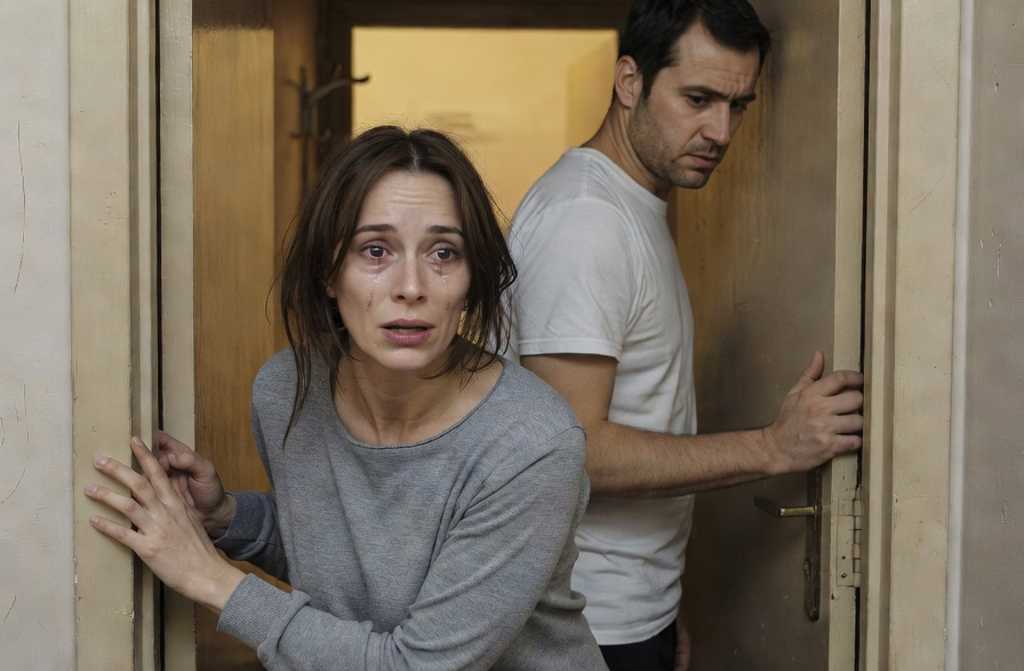
  • When It’s Already Too LateWhen It’s Already Too Late

    When It’s Already Too LateWhen It’s Already Too Late

    Many years have passed since that cool autumn evening, but Emily still recalls standing outside the entrance to her new home. It was an ordinary brick apartment block in a quiet suburban neighbourhood, unremarkable among so many others just like it. She had just returned from work, the bag of groceries weighing pleasantly in her hand and reminding her of the simple home comforts she had been seeking lately.

    The evening was chilly. Emily shivered, pulling her coat tighter around her. A light breeze played with strands of her hair that had escaped from her casual ponytail, and a slight flush coloured her cheeks from the cold. She was already reaching for the intercom when she noticed Oliver.

    He stood a few steps away, as if unsure whether to come closer. In his hands he nervously clutched the car keys, that same silver keychain she had once chosen for his birthday. His posture betrayed extreme nervousness: shoulders tense, fingers fiddling with the keys, and his gaze anxiously searching her face as if trying to read her answers before she spoke them.

    “Emily, please listen to me,” Oliver’s voice sounded unusually soft, almost timid. He took a small step forward but then froze, as if afraid to startle her. “I’ve thought about everything. Let’s try again. I… I was wrong.”

    Emily let out a slow breath. She had heard these words many times before, in different periods of their relationship and under different circumstances, but always with the same outcome. Behind the fine phrases always followed the old habits, the previous mistakes, the new hurts. She looked at him calmly, without a trace of agitation.

    “Oliver, we’ve discussed this already. I’m not coming back.”

    He stepped closer, almost right up to her. In his eyes was desperate hope, as if he truly believed that this time, right now, she would change her mind.

    “But you see how everything has turned out!” his voice trembled. “Without you… everything is falling apart. I can’t cope!”

    Emily watched him in silence. The street lamp softly lit his face, and for the first time she saw so clearly the changes that had occurred over the last six months. Deep wrinkles had formed around his eyes, which she hadn’t noticed before. His stubble, once neatly trimmed, now looked unkempt, as if he hadn’t paid attention to his appearance for a long time. And in his eyes was a fatigue she didn’t remember from all fifteen years of their life together.

    Oliver took another step forward, almost invading her personal space. A pleading note entered his voice.

    “Let’s start over. I’ll buy a house, the one you wanted. And a car, the one you dreamed of. Just come back…”

    For a moment Emily felt something stir inside her. In his voice was such sincerity, his eyes burned with such genuine desire to fix everything, that for a fraction of a second she wanted to believe. But the feeling quickly passed. She mentally flipped through the series of past promises, loud and beautiful but which had remained only words. How many times had he sworn to change, how many times promised to start anew, and each time everything went back to the way it was.

    “No, Oliver,” the woman said firmly. “I’ve made my decision. And I don’t intend to change it. You kicked me out yourself, you walked all over me. I will never forgive you.”

    Emily sighed quietly and carefully set the bag of groceries down on the wooden bench by the entrance. The evening air was getting cooler, and she wrapped her coat tighter once more.

    “Don’t you really understand, Oliver?” her voice was calm, without irritation, but there was firmness in it. “It’s not about the house or the car.”

    Oliver opened his mouth to object, but Emily gently raised her hand, stopping him. He froze, swallowed, and nodded silently, indicating he was ready to listen.

    “Remember how it all began?” her gaze became distant, as if she was looking not at him but somewhere far away, into the past. Her eyes narrowed slightly, as if trying to make out the long-gone days through the mists of time.

    She paused for a second, gathering her thoughts, and then continued.

    “We were young and in love. You worked for a construction company, and I had just started as a primary school teacher. We rented a flat, small and cramped, but we were happy. Money was tight, sometimes we even had to count every penny until payday, but we didn’t lose heart. We cooked dinners together, laughed at our failures, and made plans for the future. We dreamed of having children, imagined walking with the pram in the park, how we would go as a family on the first day back at school in September.”

    Oliver nodded silently. He really did remember that period, one of the brightest in his life. Back then everything seemed possible. Any problem looked not like a catastrophe but just a temporary obstacle that they could easily overcome together. He recalled their first rented flat, the tiny kitchen, the creaky sofa, the constantly leaking tap that they never got around to fixing before moving. He remembered how they sat on the floor, ate pizza from a box, and made plans for the future, sincerely believing that everything would work out.

    “Then the girls came along,” Emily’s voice became warmer, but already with a note of sadness. “First Lily, and five years later, Grace. You were so happy, so proud of them. I remember how you held Lily in your arms at the hospital, so excited, so joyful. And when Grace was born, you bought a huge bouquet of roses and a cake, even though the doctors had strictly forbidden sweets.”

    She smiled, but it was a sad smile, as if the memory of those days both warmed and hurt at the same time.

    “And then something changed,” she continued, and her voice became firm again. “You started earning more, bought this big flat in the new development, a car. Everything became different. You suddenly turned into the head of the family, the breadwinner, the successful man. And I became just the wife who does nothing. Remember how you once said, ‘You sit at home while I run around like a headless chicken’? You didn’t even notice that behind that sitting at home were sleepless nights with sick children, school meetings, clubs, tutors, laundry, cleaning, cooking, all that which in your opinion didn’t count as work.”

    Emily fell silent, looking at Oliver. In her eyes there was no anger, only fatigue and quiet sadness of a person who had long tried to explain something important but had never been heard.

    Oliver opened his mouth to object, the words already on the tip of his tongue, ready to defend his actions. But Emily stopped him again with a motion of her hand. Her gaze was calm, but there was determination in it. Today she was not going to stop halfway.

    “Please don’t interrupt,” she repeated, raising her voice a little so he would definitely hear. “I stayed silent for a long time, endured it. You often said that I was always dissatisfied, that I made scenes over nothing. But do you know why that happened? Because I was trying to get through to you. I was trying to explain that the girls needed not only a new toy or a trip to the seaside, but also attention, discipline, boundaries. That love is not only fulfilling wishes, but also knowing how to say no when necessary.”

    She made a short pause, as if giving him time to absorb what was said, and then continued, slowing her speech a little.

    “You always gave in to them. Remember how Lily, when she was still little, would run up to you with eyes full of tears, ‘Daddy, I want a new tablet,’ and within an hour it was in her hands? Or how Grace, a bit older, would declare, ‘Daddy, I don’t want to do my homework,’ and you would immediately allow her to put it off until tomorrow because the child is tired, she needs to rest?”

    Oliver involuntarily lowered his head. Those scenes immediately surfaced in his memory, vivid as if from yesterday. He remembered how the girls, hugging him around the neck, whispered, “You’re the best daddy,” how their eyes lit up with happiness at the sight of a new purchase. In those moments it seemed to him that he was doing everything right, giving the children joy, compensating for his constant absence at work. Emily would frown then, say something about upbringing, about consequences, but he just waved it off. Let the children enjoy themselves while they’re young. There will be plenty of problems soon.

    “And when I tried to bring them up,” Emily’s voice became quieter, but didn’t lose its firmness, “you shouted that I was being cruel to the children, that I was mean. Remember how you forbade me to raise my voice at them? You said it traumatized their psyche, that I should be a kind mother, not an overseer.”

    She shook her head, and in this movement there was not anger but the deep fatigue of someone who had tried many times to explain the same thing but had never been listened to.

    “And here’s the result,” she continued, looking him straight in the eyes. “At eight and thirteen they can’t tidy up after themselves, they don’t know what no means, they don’t value anything because they get everything on the first demand. They don’t understand that things need to be looked after, that time is a precious resource, that one must take responsibility for one’s actions. And when I try to set at least some rules, they run to you, ‘Dad, Mum’s angry again,’ and you immediately take their side, call me bad.”

    Emily fell silent, giving him the opportunity to take in what was said. A heavy silence hung in the air, broken only by the distant noise of passing cars and the occasional bark of a dog somewhere in the yard. She wasn’t expecting an immediate answer. She just wanted him to finally understand that her constant dissatisfaction was not a whim but a desperate attempt to maintain balance in the family, which he himself had imperceptibly destroyed.

    Oliver opened his mouth, about to object, but the words seemed to stick in his throat. He wanted to say that it wasn’t like that, that Emily was exaggerating, that her view of the situation was too categorical. But, starting to mentally go over his arguments, he suddenly realized. Essentially she was telling the truth. Not all of it, perhaps, not completely, but the main thing, that he really had acted that way, thought that way, spoken that way.

    “And then this Charlotte of yours appeared,” Emily continued, and her voice sounded even, almost emotionless, as if she was telling someone else’s story. “Young, beautiful, without children, without problems. She looked at you with adoration, nodded at every word, didn’t argue. She always smiled, never reminded you of household cares, didn’t demand attention to school notebooks or the fact that the fridge was almost empty.”

    She made a small pause, as if giving him the chance to ponder each word, and then continued.

    “And you decided that this was happiness. That you had finally found someone who understands you. You came to me that evening when the girls were already asleep. You spoke coldly, as if reprimanding a subordinate. ‘Emily, I can’t go on like this. You’re always dissatisfied. All you do is shout, you don’t give me enough attention. I’ve met someone who understands me. Who is happy just that I exist.’”

    Oliver remembered that conversation down to the smallest detail. At the time he had felt almost like a hero, a person who had finally taken a bold step, freed himself from the burden of ungrateful family life. The thought had circled in his head. I deserved the right to be happy. He had even been proud of his decisiveness, that he could clearly formulate his complaints and not give in to possible pleas. It seemed to him that he was acting reasonably, honestly, like an adult.

    “You said you wanted a divorce,” Emily’s voice trembled, but she quickly pulled herself together, clenching her fingers into fists so as not to show her agitation. “And you also said that the girls would stay with me. You said it straight out. ‘They’ll be better off with you. And I can finally live my own life.’”

    She fell silent for a second, as if reliving that moment again, and then added.

    “You imagined how you would meet with Charlotte, travel, go to restaurants, take care of yourself. You even calculated how much you would pay in child support if the court left the children with me. You had everything planned in advance, expenses, meeting schedule, possible compromises. As if it was not about our family but a business deal at work.”

    In her voice could be heard a quiet, tired bitterness of someone who had long tried to save what could no longer be saved. She did not accuse him of betrayal, did not shout, did not throw reproaches. She simply stated the facts that he himself had once voiced, without thinking about how they sounded from the outside.

    Oliver swallowed, feeling a dry lump rise in his throat. Yes, he really had thought that way then. At that moment divorce seemed to him not a difficult decision but rather a saving exit, a kind of ticket to a new, easy life. In his imagination a picture was drawn. No more daily cares, no reproaches, no endless children’s whims and household troubles. Only freedom, rest, the opportunity to do what he liked, spend time with Charlotte, build relationships without the burden of the past.

    “I agreed to the divorce,” Emily continued in a calm, even voice, as if telling something long past and no longer causing strong emotions. “Not because I gave up, and not because I stopped fighting. Just at some point I clearly understood. You had not been with me for a long time. You lived your own life, and I lived mine. We seemed to have ended up in parallel worlds, where our paths no longer crossed.”

    She made a small pause, choosing her words, and then added.

    “And then I said that the girls would stay with you.”

    Oliver involuntarily shuddered, remembering that conversation. At that moment he had literally lost the power of speech. He had expected a completely different scenario, to free himself from family obligations, start everything from a clean slate, live as he wanted. But her proposal had turned everything upside down.

    “You were in shock,” Emily continued, looking him straight in the eyes. “You shouted that it was unfair, that I was setting you up, that I couldn’t do that. You didn’t understand why I was insisting on this. And I just wanted you to finally realize. Children are not obstacles in life, not a burden, but a part of it. And if you decided to start everything anew, then you had to learn to take responsibility for those you brought into this world.”

    He remembered well that day in court. Everything happened as if in a fog, the judge’s stern face, the dry wording of the documents, the monotonous voice of the clerk. Oliver had been absolutely sure that the decision would be in his favour. He had mentally already planned how he would start a new life, how he would meet with Charlotte, travel, take care of himself. There was no room for doubts in his head, only firm conviction that the court would free him from extra obligations.

    And then the judge announced the decision. The words sounded clear and cold. Custody of the children was transferred to the father. In the first seconds Oliver didn’t even realize what had happened. He had expected joy, relief, but instead he felt everything inside him tighten. Instead of the long-awaited freedom he had suddenly received two small problems that now lay entirely on his shoulders.

    He remembered how that same evening he was left alone with the daughters for the first time. The flat was unusually noisy, things were not in their places, dinner had to be heated from ready meals. And then it first dawned on him. He could no longer just go to work, return when he wanted, close his eyes to household trifles. Now all this was his responsibility.

    Emily fell silent, giving him time to absorb what was said.

    “And then you understood what it was like to bring up two spoiled girls without their mother’s help,” Emily said quietly, without a trace of gloating. “You finally understood what your way of raising them had led to. The girls didn’t want to listen to you, behaved as they were used to. Only now there was no one to dump the problems on.”

    She made a small pause, as if giving him the opportunity to mentally return to those days, and then continued.

    “Remember how you tried to cook dinner, but everything burned because you were distracted by work calls? How the dishes remained unwashed because neither you nor the girls had time for that? And one night you called me in a panic because Grace had thrown a tantrum over you not buying her new trainers like everyone else had. You didn’t know what to do, how to calm her, and in the end you just dialled my number.”

    Oliver closed his eyes. All these scenes flashed before him like frames from a bad film that he couldn’t stop. He clearly remembered standing in the middle of the kitchen with a burnt frying pan, while Lily laughed, filming it on her phone. He remembered how Grace slammed the door to her room, shouting that he didn’t understand anything, and he stood in the hallway, not knowing what to do.

    He tried to set rules, forbade devices until homework was done, introduced a cleaning schedule, limited pocket money. But within a day he gave in to tears and screams. Lily sobbed that he was cruel, Grace threatened to go to her grandmother. He couldn’t stand these scenes and made concessions again.

    And then there was Charlotte. At first she pretended to be friendly, smiled at the girls, offered to go to the park together, bought them sweets. But as soon as Lily accidentally spilled juice on her new dress or Grace started acting up in a restaurant, everything changed. Charlotte stepped aside, frowned at the sight of scattered toys, sighed irritably when Grace demanded attention. I’m not ready to deal with someone else’s children, she said one day, and that was only the beginning.

    “Charlotte left after three months,” Oliver said quietly, without opening his eyes. The words came hard, as if he was confessing something shameful. “She said she wasn’t ready for that. That this wasn’t her story, that she wanted a different life, easy, without troubles, without responsibility.”

    He paused, collecting his thoughts, and then added.

    “And I suddenly realized that without you everything was falling apart. The girls didn’t listen to me, there was constant chaos at home, stress at work because I wasn’t getting enough sleep, distracted by their problems. I thought I would be free, that I could finally live as I wanted. But I found myself trapped, in a house where everything required attention, where every day I had to solve dozens of small questions for which I had no answers.”

    His voice trembled, but he quickly pulled himself together. In this confession there was no pose or attempt to evoke pity, only bitter understanding of how badly he had been mistaken, thinking that family life was only a burden that could be easily gotten rid of.

    Emily looked at him with sympathy, but without pity. In her gaze there was neither triumph nor desire to prick, only calm understanding of what they had both been through.

    “You know what’s the funniest thing?” she smiled slightly, and in this smile there was neither bitterness nor sarcasm, just a light irony at the twists of fate. “When I was left alone, I finally could breathe. Truly breathe, without the constant feeling that an unbearable burden lay on my shoulders.”

    She fell silent for a second, as if reliving those first weeks of independent life again, and then continued.

    “I found a new job. Now I was a senior coordinator at an education centre. Not just a primary school teacher, but a person who develops programmes, helps other teachers, participates in interesting projects. And you know what? I like it. I feel that I’m growing, that my knowledge and experience are really valued. The salary, by the way, is higher than before, enough not only for the bare necessities, but also to allow myself small pleasures.”

    Emily glanced around the yard where they stood, as if seeing not only the grey apartment buildings and the children’s playground, but also the picture of her new life.

    “I rent this flat, and I’m quite comfortable. It covers everything, food, clothes, trips to the cinema at weekends. A manicure once a month, a book I wanted to read for a long time, coffee in a cosy café nearby. I no longer rush after work to the shop to buy groceries for tomorrow’s dinner. I don’t cook those endless three-course meals, as if I had a restaurant at home. I don’t clean up after adults, but such cheeky members of my family, who thought that household chores were exclusively my concern.”

    Her voice sounded even, without challenge, simply stating facts that had once seemed insurmountable problems to her.

    “And one more important thing. I sleep at night. Really sleep, and not jump up because someone is listening to music until three in the morning or suddenly deciding to do homework at midnight. I live, Oliver. Just live, calmly, steadily, without constant tension and the feeling that I owe something to everyone.”

    She looked him straight and openly in the eyes, without resentment or reproach. In her words there was no desire to boast or prove her superiority, only calm awareness that, despite all the difficulties, she had found her path and felt truly happy.

    Oliver was silent. His head was unusually empty, no ready arguments, no excuses, no habitual defensive reactions. He suddenly understood with striking clarity. Everything he had so passionately desired, freedom, ease, admiration from a new lover, turned out to be an illusion, a mirage. Real life, it turned out, had been there, in their old flat. In those very little things that he had been used to perceiving as a burden, in her grumbling about scattered socks, in endless patience, in the quiet care that he had mistakenly taken for dissatisfaction and nitpicking.

    He remembered how she would brew coffee for him in the mornings, even if she herself was late for work. How she would silently clear the dirty plates from the table, although he had promised to wash them himself. How she could find the right words for the daughters when he got lost and got angry. All this had seemed ordinary to him, routine, and now he clearly saw. This was love. That very real love, which doesn’t shout about itself, but simply exists, every day, in every gesture, in every little thing.

    “I’m asking you to come back not only because it’s terribly difficult for me,” he finally said, and his voice sounded unusually quiet, without the former self-confidence. “But because I understood. Without you I can’t. I love you, Emily.”

    These words came hard. They seemed to have broken through the thickness of his former beliefs, through the wall of pride and self-assurance. He said it not to keep her, not out of fear of being alone. He said it because for the first time in a long time he had honestly looked at himself and at what he had done.

    Emily looked at him for a long time, not rushing with an answer. She seemed to be weighing each of his words, checking their sincerity, trying to understand if this was another attempt to find an easy way out of the situation.

    Then she silently picked up the bag of groceries, which she had placed on the bench earlier, and said quietly.

    “I’m glad that you understood that. But I’m not coming back. I’m already different. And you, you also need to become different. Not for me, for yourself. And for the girls. They need you, the real one, not a dad who automatically grants wishes.”

    In her voice there was no resentment, no irritation. It was a simple, clear statement of fact, without emotions, without attempts to hurt or prick. She said what she thought, without embellishment and without regard for his feelings.

    Oliver wanted to object, start convincing, bring arguments, but she had already turned and walked to the entrance, not waiting for his answer.

    “Emily!” he shouted after her, not knowing himself what he wanted to say.

    She stopped, but did not turn around.

    “I will pay the child support as before. And once a week, meetings with the girls. That will be better for everyone.”

    With these words she entered the entrance, leaving him alone under the cold November sky. The wind strengthened, seeping under his coat, but Oliver hardly felt the cold. He stood, looking at the lit windows of her flat, where behind the curtains one could guess the warm light of a lamp.

    In his head spun her words, memories, images, their shared life, shattered into fragments by his own hand. He remembered how they laughed at Lily’s first pranks, how they prepared Grace for her first year at school together, how they dreamed of the future. All this now seemed so distant and so valuable at the same time.

    And then he finally understood. He had lost not just a wife. He had lost a person who kept the family hearth, who could see beyond momentary desires and stayed the course for what really mattered. A person who loved him for who he was, not perfect, not flawless, but simply him.Many years have passed since that cool autumn evening, but Emily still recalls standing outside the entrance to her new home. It was an ordinary brick apartment block in a quiet suburban neighbourhood, unremarkable among so many others just like it. She had just returned from work, the bag of groceries weighing pleasantly in her hand and reminding her of the simple home comforts she had been seeking lately.

    The evening was chilly. Emily shivered, pulling her coat tighter around her. A light breeze played with strands of her hair that had escaped from her casual ponytail, and a slight flush coloured her cheeks from the cold. She was already reaching for the intercom when she noticed Oliver.

    He stood a few steps away, as if unsure whether to come closer. In his hands he nervously clutched the car keys, that same silver keychain she had once chosen for his birthday. His posture betrayed extreme nervousness: shoulders tense, fingers fiddling with the keys, and his gaze anxiously searching her face as if trying to read her answers before she spoke them.

    “Emily, please listen to me,” Oliver’s voice sounded unusually soft, almost timid. He took a small step forward but then froze, as if afraid to startle her. “I’ve thought about everything. Let’s try again. I… I was wrong.”

    Emily let out a slow breath. She had heard these words many times before, in different periods of their relationship and under different circumstances, but always with the same outcome. Behind the fine phrases always followed the old habits, the previous mistakes, the new hurts. She looked at him calmly, without a trace of agitation.

    “Oliver, we’ve discussed this already. I’m not coming back.”

    He stepped closer, almost right up to her. In his eyes was desperate hope, as if he truly believed that this time, right now, she would change her mind.

    “But you see how everything has turned out!” his voice trembled. “Without you… everything is falling apart. I can’t cope!”

    Emily watched him in silence. The street lamp softly lit his face, and for the first time she saw so clearly the changes that had occurred over the last six months. Deep wrinkles had formed around his eyes, which she hadn’t noticed before. His stubble, once neatly trimmed, now looked unkempt, as if he hadn’t paid attention to his appearance for a long time. And in his eyes was a fatigue she didn’t remember from all fifteen years of their life together.

    Oliver took another step forward, almost invading her personal space. A pleading note entered his voice.

    “Let’s start over. I’ll buy a house, the one you wanted. And a car, the one you dreamed of. Just come back…”

    For a moment Emily felt something stir inside her. In his voice was such sincerity, his eyes burned with such genuine desire to fix everything, that for a fraction of a second she wanted to believe. But the feeling quickly passed. She mentally flipped through the series of past promises, loud and beautiful but which had remained only words. How many times had he sworn to change, how many times promised to start anew, and each time everything went back to the way it was.

    “No, Oliver,” the woman said firmly. “I’ve made my decision. And I don’t intend to change it. You kicked me out yourself, you walked all over me. I will never forgive you.”

    Emily sighed quietly and carefully set the bag of groceries down on the wooden bench by the entrance. The evening air was getting cooler, and she wrapped her coat tighter once more.

    “Don’t you really understand, Oliver?” her voice was calm, without irritation, but there was firmness in it. “It’s not about the house or the car.”

    Oliver opened his mouth to object, but Emily gently raised her hand, stopping him. He froze, swallowed, and nodded silently, indicating he was ready to listen.

    “Remember how it all began?” her gaze became distant, as if she was looking not at him but somewhere far away, into the past. Her eyes narrowed slightly, as if trying to make out the long-gone days through the mists of time.

    She paused for a second, gathering her thoughts, and then continued.

    “We were young and in love. You worked for a construction company, and I had just started as a primary school teacher. We rented a flat, small and cramped, but we were happy. Money was tight, sometimes we even had to count every penny until payday, but we didn’t lose heart. We cooked dinners together, laughed at our failures, and made plans for the future. We dreamed of having children, imagined walking with the pram in the park, how we would go as a family on the first day back at school in September.”

    Oliver nodded silently. He really did remember that period, one of the brightest in his life. Back then everything seemed possible. Any problem looked not like a catastrophe but just a temporary obstacle that they could easily overcome together. He recalled their first rented flat, the tiny kitchen, the creaky sofa, the constantly leaking tap that they never got around to fixing before moving. He remembered how they sat on the floor, ate pizza from a box, and made plans for the future, sincerely believing that everything would work out.

    “Then the girls came along,” Emily’s voice became warmer, but already with a note of sadness. “First Lily, and five years later, Grace. You were so happy, so proud of them. I remember how you held Lily in your arms at the hospital, so excited, so joyful. And when Grace was born, you bought a huge bouquet of roses and a cake, even though the doctors had strictly forbidden sweets.”

    She smiled, but it was a sad smile, as if the memory of those days both warmed and hurt at the same time.

    “And then something changed,” she continued, and her voice became firm again. “You started earning more, bought this big flat in the new development, a car. Everything became different. You suddenly turned into the head of the family, the breadwinner, the successful man. And I became just the wife who does nothing. Remember how you once said, ‘You sit at home while I run around like a headless chicken’? You didn’t even notice that behind that sitting at home were sleepless nights with sick children, school meetings, clubs, tutors, laundry, cleaning, cooking, all that which in your opinion didn’t count as work.”

    Emily fell silent, looking at Oliver. In her eyes there was no anger, only fatigue and quiet sadness of a person who had long tried to explain something important but had never been heard.

    Oliver opened his mouth to object, the words already on the tip of his tongue, ready to defend his actions. But Emily stopped him again with a motion of her hand. Her gaze was calm, but there was determination in it. Today she was not going to stop halfway.

    “Please don’t interrupt,” she repeated, raising her voice a little so he would definitely hear. “I stayed silent for a long time, endured it. You often said that I was always dissatisfied, that I made scenes over nothing. But do you know why that happened? Because I was trying to get through to you. I was trying to explain that the girls needed not only a new toy or a trip to the seaside, but also attention, discipline, boundaries. That love is not only fulfilling wishes, but also knowing how to say no when necessary.”

    She made a short pause, as if giving him time to absorb what was said, and then continued, slowing her speech a little.

    “You always gave in to them. Remember how Lily, when she was still little, would run up to you with eyes full of tears, ‘Daddy, I want a new tablet,’ and within an hour it was in her hands? Or how Grace, a bit older, would declare, ‘Daddy, I don’t want to do my homework,’ and you would immediately allow her to put it off until tomorrow because the child is tired, she needs to rest?”

    Oliver involuntarily lowered his head. Those scenes immediately surfaced in his memory, vivid as if from yesterday. He remembered how the girls, hugging him around the neck, whispered, “You’re the best daddy,” how their eyes lit up with happiness at the sight of a new purchase. In those moments it seemed to him that he was doing everything right, giving the children joy, compensating for his constant absence at work. Emily would frown then, say something about upbringing, about consequences, but he just waved it off. Let the children enjoy themselves while they’re young. There will be plenty of problems soon.

    “And when I tried to bring them up,” Emily’s voice became quieter, but didn’t lose its firmness, “you shouted that I was being cruel to the children, that I was mean. Remember how you forbade me to raise my voice at them? You said it traumatized their psyche, that I should be a kind mother, not an overseer.”

    She shook her head, and in this movement there was not anger but the deep fatigue of someone who had tried many times to explain the same thing but had never been listened to.

    “And here’s the result,” she continued, looking him straight in the eyes. “At eight and thirteen they can’t tidy up after themselves, they don’t know what no means, they don’t value anything because they get everything on the first demand. They don’t understand that things need to be looked after, that time is a precious resource, that one must take responsibility for one’s actions. And when I try to set at least some rules, they run to you, ‘Dad, Mum’s angry again,’ and you immediately take their side, call me bad.”

    Emily fell silent, giving him the opportunity to take in what was said. A heavy silence hung in the air, broken only by the distant noise of passing cars and the occasional bark of a dog somewhere in the yard. She wasn’t expecting an immediate answer. She just wanted him to finally understand that her constant dissatisfaction was not a whim but a desperate attempt to maintain balance in the family, which he himself had imperceptibly destroyed.

    Oliver opened his mouth, about to object, but the words seemed to stick in his throat. He wanted to say that it wasn’t like that, that Emily was exaggerating, that her view of the situation was too categorical. But, starting to mentally go over his arguments, he suddenly realized. Essentially she was telling the truth. Not all of it, perhaps, not completely, but the main thing, that he really had acted that way, thought that way, spoken that way.

    “And then this Charlotte of yours appeared,” Emily continued, and her voice sounded even, almost emotionless, as if she was telling someone else’s story. “Young, beautiful, without children, without problems. She looked at you with adoration, nodded at every word, didn’t argue. She always smiled, never reminded you of household cares, didn’t demand attention to school notebooks or the fact that the fridge was almost empty.”

    She made a small pause, as if giving him the chance to ponder each word, and then continued.

    “And you decided that this was happiness. That you had finally found someone who understands you. You came to me that evening when the girls were already asleep. You spoke coldly, as if reprimanding a subordinate. ‘Emily, I can’t go on like this. You’re always dissatisfied. All you do is shout, you don’t give me enough attention. I’ve met someone who understands me. Who is happy just that I exist.’”

    Oliver remembered that conversation down to the smallest detail. At the time he had felt almost like a hero, a person who had finally taken a bold step, freed himself from the burden of ungrateful family life. The thought had circled in his head. I deserved the right to be happy. He had even been proud of his decisiveness, that he could clearly formulate his complaints and not give in to possible pleas. It seemed to him that he was acting reasonably, honestly, like an adult.

    “You said you wanted a divorce,” Emily’s voice trembled, but she quickly pulled herself together, clenching her fingers into fists so as not to show her agitation. “And you also said that the girls would stay with me. You said it straight out. ‘They’ll be better off with you. And I can finally live my own life.’”

    She fell silent for a second, as if reliving that moment again, and then added.

    “You imagined how you would meet with Charlotte, travel, go to restaurants, take care of yourself. You even calculated how much you would pay in child support if the court left the children with me. You had everything planned in advance, expenses, meeting schedule, possible compromises. As if it was not about our family but a business deal at work.”

    In her voice could be heard a quiet, tired bitterness of someone who had long tried to save what could no longer be saved. She did not accuse him of betrayal, did not shout, did not throw reproaches. She simply stated the facts that he himself had once voiced, without thinking about how they sounded from the outside.

    Oliver swallowed, feeling a dry lump rise in his throat. Yes, he really had thought that way then. At that moment divorce seemed to him not a difficult decision but rather a saving exit, a kind of ticket to a new, easy life. In his imagination a picture was drawn. No more daily cares, no reproaches, no endless children’s whims and household troubles. Only freedom, rest, the opportunity to do what he liked, spend time with Charlotte, build relationships without the burden of the past.

    “I agreed to the divorce,” Emily continued in a calm, even voice, as if telling something long past and no longer causing strong emotions. “Not because I gave up, and not because I stopped fighting. Just at some point I clearly understood. You had not been with me for a long time. You lived your own life, and I lived mine. We seemed to have ended up in parallel worlds, where our paths no longer crossed.”

    She made a small pause, choosing her words, and then added.

    “And then I said that the girls would stay with you.”

    Oliver involuntarily shuddered, remembering that conversation. At that moment he had literally lost the power of speech. He had expected a completely different scenario, to free himself from family obligations, start everything from a clean slate, live as he wanted. But her proposal had turned everything upside down.

    “You were in shock,” Emily continued, looking him straight in the eyes. “You shouted that it was unfair, that I was setting you up, that I couldn’t do that. You didn’t understand why I was insisting on this. And I just wanted you to finally realize. Children are not obstacles in life, not a burden, but a part of it. And if you decided to start everything anew, then you had to learn to take responsibility for those you brought into this world.”

    He remembered well that day in court. Everything happened as if in a fog, the judge’s stern face, the dry wording of the documents, the monotonous voice of the clerk. Oliver had been absolutely sure that the decision would be in his favour. He had mentally already planned how he would start a new life, how he would meet with Charlotte, travel, take care of himself. There was no room for doubts in his head, only firm conviction that the court would free him from extra obligations.

    And then the judge announced the decision. The words sounded clear and cold. Custody of the children was transferred to the father. In the first seconds Oliver didn’t even realize what had happened. He had expected joy, relief, but instead he felt everything inside him tighten. Instead of the long-awaited freedom he had suddenly received two small problems that now lay entirely on his shoulders.

    He remembered how that same evening he was left alone with the daughters for the first time. The flat was unusually noisy, things were not in their places, dinner had to be heated from ready meals. And then it first dawned on him. He could no longer just go to work, return when he wanted, close his eyes to household trifles. Now all this was his responsibility.

    Emily fell silent, giving him time to absorb what was said.

    “And then you understood what it was like to bring up two spoiled girls without their mother’s help,” Emily said quietly, without a trace of gloating. “You finally understood what your way of raising them had led to. The girls didn’t want to listen to you, behaved as they were used to. Only now there was no one to dump the problems on.”

    She made a small pause, as if giving him the opportunity to mentally return to those days, and then continued.

    “Remember how you tried to cook dinner, but everything burned because you were distracted by work calls? How the dishes remained unwashed because neither you nor the girls had time for that? And one night you called me in a panic because Grace had thrown a tantrum over you not buying her new trainers like everyone else had. You didn’t know what to do, how to calm her, and in the end you just dialled my number.”

    Oliver closed his eyes. All these scenes flashed before him like frames from a bad film that he couldn’t stop. He clearly remembered standing in the middle of the kitchen with a burnt frying pan, while Lily laughed, filming it on her phone. He remembered how Grace slammed the door to her room, shouting that he didn’t understand anything, and he stood in the hallway, not knowing what to do.

    He tried to set rules, forbade devices until homework was done, introduced a cleaning schedule, limited pocket money. But within a day he gave in to tears and screams. Lily sobbed that he was cruel, Grace threatened to go to her grandmother. He couldn’t stand these scenes and made concessions again.

    And then there was Charlotte. At first she pretended to be friendly, smiled at the girls, offered to go to the park together, bought them sweets. But as soon as Lily accidentally spilled juice on her new dress or Grace started acting up in a restaurant, everything changed. Charlotte stepped aside, frowned at the sight of scattered toys, sighed irritably when Grace demanded attention. I’m not ready to deal with someone else’s children, she said one day, and that was only the beginning.

    “Charlotte left after three months,” Oliver said quietly, without opening his eyes. The words came hard, as if he was confessing something shameful. “She said she wasn’t ready for that. That this wasn’t her story, that she wanted a different life, easy, without troubles, without responsibility.”

    He paused, collecting his thoughts, and then added.

    “And I suddenly realized that without you everything was falling apart. The girls didn’t listen to me, there was constant chaos at home, stress at work because I wasn’t getting enough sleep, distracted by their problems. I thought I would be free, that I could finally live as I wanted. But I found myself trapped, in a house where everything required attention, where every day I had to solve dozens of small questions for which I had no answers.”

    His voice trembled, but he quickly pulled himself together. In this confession there was no pose or attempt to evoke pity, only bitter understanding of how badly he had been mistaken, thinking that family life was only a burden that could be easily gotten rid of.

    Emily looked at him with sympathy, but without pity. In her gaze there was neither triumph nor desire to prick, only calm understanding of what they had both been through.

    “You know what’s the funniest thing?” she smiled slightly, and in this smile there was neither bitterness nor sarcasm, just a light irony at the twists of fate. “When I was left alone, I finally could breathe. Truly breathe, without the constant feeling that an unbearable burden lay on my shoulders.”

    She fell silent for a second, as if reliving those first weeks of independent life again, and then continued.

    “I found a new job. Now I was a senior coordinator at an education centre. Not just a primary school teacher, but a person who develops programmes, helps other teachers, participates in interesting projects. And you know what? I like it. I feel that I’m growing, that my knowledge and experience are really valued. The salary, by the way, is higher than before, enough not only for the bare necessities, but also to allow myself small pleasures.”

    Emily glanced around the yard where they stood, as if seeing not only the grey apartment buildings and the children’s playground, but also the picture of her new life.

    “I rent this flat, and I’m quite comfortable. It covers everything, food, clothes, trips to the cinema at weekends. A manicure once a month, a book I wanted to read for a long time, coffee in a cosy café nearby. I no longer rush after work to the shop to buy groceries for tomorrow’s dinner. I don’t cook those endless three-course meals, as if I had a restaurant at home. I don’t clean up after adults, but such cheeky members of my family, who thought that household chores were exclusively my concern.”

    Her voice sounded even, without challenge, simply stating facts that had once seemed insurmountable problems to her.

    “And one more important thing. I sleep at night. Really sleep, and not jump up because someone is listening to music until three in the morning or suddenly deciding to do homework at midnight. I live, Oliver. Just live, calmly, steadily, without constant tension and the feeling that I owe something to everyone.”

    She looked him straight and openly in the eyes, without resentment or reproach. In her words there was no desire to boast or prove her superiority, only calm awareness that, despite all the difficulties, she had found her path and felt truly happy.

    Oliver was silent. His head was unusually empty, no ready arguments, no excuses, no habitual defensive reactions. He suddenly understood with striking clarity. Everything he had so passionately desired, freedom, ease, admiration from a new lover, turned out to be an illusion, a mirage. Real life, it turned out, had been there, in their old flat. In those very little things that he had been used to perceiving as a burden, in her grumbling about scattered socks, in endless patience, in the quiet care that he had mistakenly taken for dissatisfaction and nitpicking.

    He remembered how she would brew coffee for him in the mornings, even if she herself was late for work. How she would silently clear the dirty plates from the table, although he had promised to wash them himself. How she could find the right words for the daughters when he got lost and got angry. All this had seemed ordinary to him, routine, and now he clearly saw. This was love. That very real love, which doesn’t shout about itself, but simply exists, every day, in every gesture, in every little thing.

    “I’m asking you to come back not only because it’s terribly difficult for me,” he finally said, and his voice sounded unusually quiet, without the former self-confidence. “But because I understood. Without you I can’t. I love you, Emily.”

    These words came hard. They seemed to have broken through the thickness of his former beliefs, through the wall of pride and self-assurance. He said it not to keep her, not out of fear of being alone. He said it because for the first time in a long time he had honestly looked at himself and at what he had done.

    Emily looked at him for a long time, not rushing with an answer. She seemed to be weighing each of his words, checking their sincerity, trying to understand if this was another attempt to find an easy way out of the situation.

    Then she silently picked up the bag of groceries, which she had placed on the bench earlier, and said quietly.

    “I’m glad that you understood that. But I’m not coming back. I’m already different. And you, you also need to become different. Not for me, for yourself. And for the girls. They need you, the real one, not a dad who automatically grants wishes.”

    In her voice there was no resentment, no irritation. It was a simple, clear statement of fact, without emotions, without attempts to hurt or prick. She said what she thought, without embellishment and without regard for his feelings.

    Oliver wanted to object, start convincing, bring arguments, but she had already turned and walked to the entrance, not waiting for his answer.

    “Emily!” he shouted after her, not knowing himself what he wanted to say.

    She stopped, but did not turn around.

    “I will pay the child support as before. And once a week, meetings with the girls. That will be better for everyone.”

    With these words she entered the entrance, leaving him alone under the cold November sky. The wind strengthened, seeping under his coat, but Oliver hardly felt the cold. He stood, looking at the lit windows of her flat, where behind the curtains one could guess the warm light of a lamp.

    In his head spun her words, memories, images, their shared life, shattered into fragments by his own hand. He remembered how they laughed at Lily’s first pranks, how they prepared Grace for her first year at school together, how they dreamed of the future. All this now seemed so distant and so valuable at the same time.

    And then he finally understood. He had lost not just a wife. He had lost a person who kept the family hearth, who could see beyond momentary desires and stayed the course for what really mattered. A person who loved him for who he was, not perfect, not flawless, but simply him.

  • When It’s Already Too LateWhen It’s Already Too Late

    When It’s Already Too LateWhen It’s Already Too Late

    It was many years ago now, but Emma could still vividly remember standing outside the entrance of her new flat. A typical brick apartment building in a suburban district, nothing remarkable among the many similar ones. She had just come back from work, the bag of groceries weighing comfortably on her arm, evoking thoughts of the simple home comforts she had been striving for lately.

    The evening was cool. Emma shivered, pulling her coat tighter around her. A light breeze toyed with strands of her hair that had escaped from her casual ponytail, and a faint blush played on her cheeks from the chill. She was already reaching for the intercom when she noticed Andrew.

    He stood a few paces away, as though unsure whether to come closer. His hands nervously gripped the car keys, the very silver keyring she had once selected for his birthday. His stance betrayed deep unease: shoulders rigid, fingers constantly fiddling with the keys, and his eyes darting anxiously across her face, as if seeking answers before she could voice them.

    “Emma, please hear me out,” Andrews voice came out unusually gentle, almost hesitant. He edged forward a little but then halted, seeming afraid to disturb her. “Ive gone over everything. Lets give it another try. I I was mistaken.”

    Emma let out a slow breath. She had heard these words before, across various stages of their time together and in different situations, yet the result had always been the same. Elegant phrases were always followed by familiar patterns, earlier missteps, fresh wounds. She regarded him steadily, without any sign of agitation:

    “Andrew, weve covered this already. Im not returning.”

    He moved nearer, almost touching her. Desperate hope shone in his eyes, as if he genuinely believed that this moment, this time, would alter her choice.

    “But look how things have turned out!” his voice wavered. “Without you its all coming apart. I cant manage!”

    Emma watched him in silence. The street lamp cast a soft glow on his face, and she saw with fresh clarity the shifts that had taken place over the past six months. Lines had deepened around his eyes, ones she had overlooked before. His stubble, once neatly kept, now appeared rough, as though he had neglected his appearance for some time. And in his eyes lay a weariness she had not witnessed across all fifteen years of their shared life.

    Andrew took one more step forward, nearly crowding her space. A pleading tone entered his voice:

    “Lets begin again. Ill purchase a flat. The one you wanted. And a car, the kind you dreamed about. Just come back”

    For an instant Emma felt something shift within her. His tone held such genuineness, his eyes burned with such real wish to set things right, that for a brief second she almost believed. Yet the feeling faded quickly. She mentally reviewed the string of earlier vows, grand and appealing yet never more than words. How often had he promised to alter himself, how often sworn to start fresh And each time matters reverted to their old ways.

    “No, Andrew,” the woman replied firmly. “Ive settled on this. And I have no plans to reverse it. You sent me away yourself, you treated me as nothing Ill never forgive you.”

    Emma sighed quietly and gently placed the bag of groceries on the wooden bench near the entrance. The evening air grew cooler still, and she drew her coat closer once more.

    “You truly dont see it, Andrew?” her voice stayed calm, free of annoyance, yet carried firmness. “Its not the flat or the car.”

    Andrew started to speak in reply, but Emma softly lifted her hand to halt him. He paused, swallowed hard, and nodded without a word, showing he was prepared to listen.

    “Recall how it all started?” her look turned distant, as though she gazed not at him but far off into the past. Her eyes narrowed slightly, seeming to peer through the haze of time at days long gone.

    She paused a moment to gather herself, then went on:

    “We were young and in love. You worked for a building firm, and I had only just begun as a primary school teacher. We rented a flat, small and cramped, yet we were content. Money was always tight, at times we even counted every penny until payday, but we kept our spirits up. We prepared meals together, laughed over our setbacks, made plans ahead. We hoped for children, pictured strolling with a pram through the park, how the whole family would head out together for the start of the school year”

    Andrew nodded in silence. He truly recalled that time, one of the brightest stretches in his life. Back then anything had seemed within reach. Every difficulty appeared not as a disaster but merely a passing hurdle they could surmount side by side. He thought back to their first rented flat, the tiny kitchen, the squeaky sofa, the tap that leaked without end and which they never managed to repair before leaving. He remembered sitting on the floor, eating pizza straight from the box while sketching out a future they believed would surely come to pass.

    “Then the girls arrived,” Emmas voice grew warmer, though a trace of sadness now threaded through it. “Lily first, and five years on, Sophie. You were overjoyed, so proud of them both. I remember you cradling Lily in the hospital, so moved and full of happiness. And when Sophie came, you brought a massive bunch of roses and a cake, even though the doctors had been clear about avoiding sweets”

    She smiled, yet the smile held sadness, as though the memory of those days both comforted and stung at once.

    “And then something shifted,” she continued, her voice turning firm again. “You began to earn more, bought this large flat in a new development, a car Everything turned different. You became the head of the household, the provider, a man who had made it. And I I became merely the wife who does nothing. Recall how you once remarked: You stay at home while I run around like a hamster on a wheel? You never noticed that behind this staying at home were sleepless nights tending sick children, parents evenings, after-school clubs, tutors, washing, tidying, cooking All the things that, in your view, did not amount to real work.”

    Emma stopped, her eyes on Andrew. No anger showed there, only weariness and a quiet sorrow from someone who had spent years trying to convey something vital yet had never been truly listened to.

    Andrew began to reply, words already forming to defend his choices. But Emma stopped him once more with a single motion of her hand. Her gaze remained steady, yet determination lay behind it; today she would not be cut short midway.

    “Please dont interrupt,” she said again, raising her voice slightly to ensure he heard. “I stayed quiet for a long time and put up with it. You often claimed I was forever unhappy, that I created rows over nothing. But do you know why it came to that? Because I was attempting to reach you. I was trying to show that the girls needed more than a fresh toy or a trip to the coast; they needed attention, discipline, limits. That love means not only granting wishes but also knowing when to say no if it matters.”

    She allowed a brief pause, giving him space to take in the words, then resumed, speaking a touch more slowly:

    “You always let them have their way. Recall how Lily, when she was still tiny, would dash up to you with tear-filled eyes: Daddy, I want a new tablet! and within an hour it sat in her hands? Or how Sophie, a bit older, would announce: Daddy, I dont want to do my homework! and you would let her leave it until the next day because the child is worn out, she needs rest?”

    Andrew dropped his head without meaning to. Those moments rose at once in his mind, sharp as if they had happened yesterday. He recalled the girls wrapping their arms around his neck and whispering, “Youre the best daddy!”, their eyes bright with delight at each new purchase. In those times it had seemed to him he was doing right, offering the children joy to make up for his long hours away at work. Emma would frown then, mention something about proper raising and the consequences, but he would wave it away: “Let them enjoy life while theyre young! Plenty of troubles will come soon enough.”

    “And when I tried to guide them,” Emmas voice softened but kept its resolve, “you would shout that I was picking on the children, that I was cruel. Remember how you forbade me to raise my voice to them? You said it would harm their minds, that I ought to be a kind mother instead of a taskmaster.”

    She shook her head, and the gesture spoke not of anger but of deep tiredness from a person who had attempted many times to explain the same point yet had never been heard.

    “And this is what came of it,” she went on, meeting his eyes directly. “At eight and thirteen they cannot tidy after themselves, they have no grasp of no, they value nothing because they receive whatever they demand at once. They do not understand that belongings must be looked after, that time is precious, that actions carry consequences. And whenever I try to bring in some order, they run to you: Dad, Mums cross again! and you step in straight away, telling them Im in the wrong.”

    Emma fell quiet, letting him absorb what she had said. A heavy stillness settled, broken only by the far-off sound of cars passing and the odd bark of a dog somewhere in the yard. She did not expect an instant reply; she simply wanted him to grasp at last that her endless complaints had not been whims but a desperate bid to hold together the balance in the family, a balance he had slowly undone without noticing.

    Andrew opened his mouth to argue, yet the words seemed to lodge in his throat. He wished to claim it had not been so, that Emma overstated matters, that her reading of events was too rigid. But as he began to sort through his points in his mind, he suddenly saw that, at heart, she spoke the truth. Not every detail, perhaps, not completely, but the core of it, that he truly had behaved that way, thought that way, spoken that way.

    “And then this Rachel of yours came along,” Emma continued, her voice level and almost detached, as though recounting a tale that belonged to someone else. “Young, attractive, no children, no troubles. She gazed at you with admiration, agreed with every word, never argued. She smiled always, never brought up daily chores, never asked for help with school books or noted that the fridge was nearly bare.”

    She allowed a short pause, as if inviting him to consider each point, then carried on:

    “And you decided this was happiness. That you had at last found someone who understands you. You came to me that evening once the girls were asleep. You spoke coldly, as if addressing an employee: Emma, I cannot go on. You are always unhappy. You do nothing but shout, you give me too little attention. I have met someone who understands me. Who is glad simply that I am here.”

    Andrew recalled that exchange down to the smallest detail. At the time he had felt almost heroic, a man who had finally taken a brave step and shed the weight of an ungrateful family life. The thought had turned in his head: “I have earned the right to be happy.” He had even felt proud of his resolve, that he could state his grievances plainly and had not yielded to any possible pleas. It had seemed to him he was acting sensibly, fairly, in a grown-up manner.

    “You said you wanted a divorce,” Emmas voice caught for a moment, but she steadied herself at once, clenching her hands into fists to keep her feelings hidden. “And you added that the girls would remain with me. You stated it outright: They will do better with you. And I will finally be able to live as I wish.”

    She paused for a second, as though living that moment afresh, then added:

    “You pictured meeting Rachel, travelling, dining out, looking after yourself. You even worked out how much you would pay in child support if the court awarded the children to me. You had every detail planned ahead, the costs, the schedule of visits, any possible deals. As though it concerned a business arrangement at work rather than our family.”

    A quiet, weary bitterness coloured her tone, the kind from someone who had long tried to keep something that could no longer be saved. She did not charge him with betrayal, did not raise her voice or hurl accusations; she simply laid out the facts he himself had once stated, without pausing to consider how they might sound to another.

    Andrew swallowed, feeling a dry lump form in his throat. Yes, he truly had thought that way back then. At that moment divorce had seemed to him not a hard choice but rather a way of escape, a kind of pass into a fresh, untroubled life. In his minds eye he had seen a picture of no more daily cares, no reproaches, no endless childish fusses or household tasks. Only liberty, ease, the chance to pursue what pleased him, to spend time with Rachel, to shape a relationship free of the weight of what had gone before.

    “I agreed to the divorce,” Emma went on in a calm, steady voice, as though describing something distant that no longer stirred strong feelings. “Not because I had surrendered, and not because I had ceased to fight. It was simply that at a certain point I saw clearly: you had stopped being with me long before. You lived your life, and I lived mine. We had drifted into separate worlds where our paths no longer met.”

    She took a brief pause to choose her words, then added:

    “And so I said the girls would stay with you.”

    Andrew gave an involuntary start, recalling that talk. In that instant he had been struck speechless. He had expected an entirely different outcome: freedom from family duties, a fresh beginning, a life lived exactly as he pleased. And her suggestion had overturned everything.

    “You were shocked,” Emma continued, holding his gaze. “You shouted that it was unjust, that I was trapping you, that I could not act that way. You could not understand why I insisted. But I simply wanted you to see at last: children are not hindrances in life, not a load, but part of it. And if you chose to start over, then you had to learn to carry responsibility for those you had brought into the world.”

    He remembered that day in court clearly. Everything had unfolded as if through mist: the judges stern face, the dry phrases in the papers, the clerks flat voice. Andrew had been wholly certain the ruling would favour him. He had already planned in his mind how he would launch a new life, how he would see Rachel, travel, tend to himself. No doubts had occupied his thoughts, only a firm belief that the court would release him from unneeded duties.

    Then the judge read out the decision. The words came sharp and cold: custody of the children went to the father. For the first few seconds Andrew did not even grasp what had occurred. He had awaited joy, relief, yet instead felt everything inside him contract. In place of the freedom he had longed for, he had suddenly been given two small burdens that now rested fully on him.

    He recalled how that same evening he had been left alone with the girls for the first time. The flat had seemed oddly loud, belongings lay out of place, and supper had to be warmed from packets. It was then that it first struck him: he could no longer simply leave for work and return whenever he chose, ignoring the small daily matters. All of it had become his duty.

    Emma paused to let him take in what she had said.

    “And then you grasped what it meant to raise two spoiled girls without their mothers help,” Emma said softly, without any hint of satisfaction. “You finally saw what your way of bringing them up had produced. The girls would not listen to you, acted as they always had Yet there was no one left to shift the difficulties onto.”

    She allowed another short pause, as though letting him return in thought to those days, then resumed:

    “Recall how you tried to make dinner, yet everything burned because you kept answering work calls? How the washing-up stayed undone because neither you nor the girls found time for it? And one night you rang me in a panic because Sophie had thrown a fit over you not buying her new trainers like everyone else. You had no idea what to do or how to soothe her, so you ended up calling my number”

    Andrew closed his eyes. All those moments rushed past him like scenes from a poor film he could not pause. He saw himself clearly standing in the kitchen with a scorched pan while Lily laughed and filmed it on her phone. He saw Sophie slamming her bedroom door and yelling that he “understood nothing”, while he stood in the hallway unsure how to act.

    He had attempted to introduce rules, banning screens until homework was finished, setting a timetable for chores, limiting pocket money. But within a day he had yielded to tears and shouts: Lily wept that he was “harsh”, Sophie threatened to go to her grandmothers. He could not bear those scenes and gave way again.

    And there had been Rachel. At first she had acted friendly, smiling at the girls, suggesting outings to the park, buying them treats. But the moment Lily spilled juice on her new dress by accident or Sophie misbehaved in a restaurant, everything altered. Rachel would step back, frown at toys left about, sigh with irritation when Sophie sought attention. “I am not prepared to look after other peoples children,” she had said once, and that marked only the start.

    “Rachel left after three months,” Andrew said quietly, eyes still shut. The words came with difficulty, as though he confessed to something shameful. “She said she was not ready for it. That it was not her story, that she wanted another kind of life, an easy one without cares or duties.”

    He fell silent to collect himself, then added:

    “And I I suddenly saw that without you everything collapses. The girls pay no heed to me, the house stays in constant disorder, work brings stress because I am short of sleep and distracted by their troubles. I had believed I would be free, that I could at last live exactly as I wished. Instead I found myself trapped, in a home where everything demands notice, where each day brings dozens of small questions I have no answers for.”

    His voice shook, but he regained control quickly. There was no pretence or bid for sympathy in this admission, only a bitter recognition of how greatly he had erred in supposing family life was merely a weight one could shed without cost.

    Emma regarded him with understanding but no pity. Her look held neither victory nor any wish to wound, only a calm grasp of all they had both endured.

    “You know what strikes me as oddest?” she smiled faintly, and the smile carried no bitterness or mockery, merely a gentle irony at the turns life takes. “When I found myself alone, I could finally breathe. Truly breathe, without that constant sense that an overwhelming load rested on my shoulders.”

    She paused for a second, as though reliving those first weeks of life on her own, then went on:

    “I took a new job, now I am a senior curriculum advisor at an education centre. Not merely a primary teacher, but someone who shapes programmes, supports other educators, joins in worthwhile projects. And do you know? I enjoy it. I feel I am progressing, that my knowledge and experience truly matter. The pay, as it happens, is better than before, enough not just for necessities but for small treats as well.”

    Emma let her eyes move over the yard where they stood, as though seeing beyond the plain brick buildings and the playground to the image of her new life.

    “I rent this flat, and it suits me well. There is enough for everything: food, clothes, cinema trips at weekends. For a manicure once a month, for a book I have wanted to read, for coffee in a pleasant cafe close by. I no longer hurry from work to the shops to fetch groceries for the next evenings meal. I do not prepare those endless three courses, starter, main and dessert, as though I ran a restaurant from home. I do not tidy up after grown people who behaved like cheeky members of the family and believed household tasks were solely my concern.”

    Her voice stayed even, without defiance, simply noting facts that had once seemed to her impossible to overcome.

    “And one more thing that matters: I sleep through the nights. I truly sleep, instead of waking because someone plays music until three or suddenly starts homework at midnight. I am living, Andrew. Simply living, calmly and steadily, without constant strain and the feeling that I owe something to everyone.”

    She met his eyes directly and openly, without resentment or reproach. Her words showed no wish to boast or claim superiority, only a quiet knowledge that, despite every difficulty, she had found her own way and felt truly content.

    Andrew remained silent. His thoughts felt strangely empty, without prepared replies, excuses or usual defences. He suddenly grasped with startling clearness that everything he had so fiercely wanted, freedom, ease, admiration from a new partner, had proved an illusion, a trick of the light. Real life, as it turned out, had been there, in their old flat. In those very small things he had grown used to seeing as burdens: in her complaints about socks left scattered, in endless patience, in quiet care that he had wrongly read as discontent and fault-finding.

    He recalled how she would make coffee for him in the mornings even when she herself ran late for work. How she would clear the dirty plates without a word, though he had promised to wash them. How she always found the right words for the girls when he felt lost and angry. All of it had seemed to him ordinary, everyday, and now he saw plainly: this had been love. That real, true love which does not proclaim itself but simply exists, day after day, in every action, in every small thing.

    “I am asking you to return not only because it is terribly hard for me,” he said at last, his voice unusually soft, without its former assurance. “But because I have seen: without you I cannot go on. I love you, Emma.”

    The words had not come easily; they seemed to have forced their way through layers of his old convictions, through a wall of pride and overconfidence. He said them not to hold her back, not from dread of solitude. He said them because, for the first time in a long while, he had looked honestly at himself and at what he had caused.

    Emma studied him for some time, taking no haste over her reply. She appeared to weigh each word he had spoken, testing its truth, trying to tell whether this was merely another attempt to find an easy escape from his position.

    Then she picked up the bag of groceries she had set on the bench earlier and said quietly:

    “I am glad you have seen this. But I am not coming back. I am different now. And you you must become different too. Not for me, but for yourself. And for the girls. They need you, the real you, not a father who simply hands out whatever is wanted.”

    No hurt or irritation coloured her voice. It was a plain, clear statement of how things stood, without feeling or any effort to wound. She spoke what she believed, without adornment and without concern for his reactions.

    Andrew wished to argue, to persuade, to offer reasons, yet she had already turned and walked toward the entrance without waiting for his reply.

    “Emma!” he called after her, not knowing himself what he meant to say.

    She halted but did not look back.

    “I will pay child support, as before. And once a week, meetings with the girls. It will be better for everyone.”

    With those words she entered the building, leaving him alone beneath the cold November sky. The wind had strengthened, finding its way under his coat, yet Andrew barely noticed the chill. He stood gazing at the lighted windows of her flat, where the warm glow of a lamp could be seen behind the curtains.

    Her words, memories and images turned in his mind, their shared life now broken into pieces by his own doing. He remembered how they had laughed at Lilys first mischief, how they had got Sophie ready for her first year at school together, how they had dreamed of what lay ahead All of it now felt both so far away and so precious at once.

    And then he understood completely: he had not lost merely a wife. He had lost the person who had kept the family together, who could look past passing wishes and steer toward what truly counted. Someone who had loved him as he was, not perfect or flawless, but simply himself.It was many years ago now, but Emma could still vividly remember standing outside the entrance of her new flat. A typical brick apartment building in a suburban district, nothing remarkable among the many similar ones. She had just come back from work, the bag of groceries weighing comfortably on her arm, evoking thoughts of the simple home comforts she had been striving for lately.

    The evening was cool. Emma shivered, pulling her coat tighter around her. A light breeze toyed with strands of her hair that had escaped from her casual ponytail, and a faint blush played on her cheeks from the chill. She was already reaching for the intercom when she noticed Andrew.

    He stood a few paces away, as though unsure whether to come closer. His hands nervously gripped the car keys, the very silver keyring she had once selected for his birthday. His stance betrayed deep unease: shoulders rigid, fingers constantly fiddling with the keys, and his eyes darting anxiously across her face, as if seeking answers before she could voice them.

    “Emma, please hear me out,” Andrews voice came out unusually gentle, almost hesitant. He edged forward a little but then halted, seeming afraid to disturb her. “Ive gone over everything. Lets give it another try. I I was mistaken.”

    Emma let out a slow breath. She had heard these words before, across various stages of their time together and in different situations, yet the result had always been the same. Elegant phrases were always followed by familiar patterns, earlier missteps, fresh wounds. She regarded him steadily, without any sign of agitation:

    “Andrew, weve covered this already. Im not returning.”

    He moved nearer, almost touching her. Desperate hope shone in his eyes, as if he genuinely believed that this moment, this time, would alter her choice.

    “But look how things have turned out!” his voice wavered. “Without you its all coming apart. I cant manage!”

    Emma watched him in silence. The street lamp cast a soft glow on his face, and she saw with fresh clarity the shifts that had taken place over the past six months. Lines had deepened around his eyes, ones she had overlooked before. His stubble, once neatly kept, now appeared rough, as though he had neglected his appearance for some time. And in his eyes lay a weariness she had not witnessed across all fifteen years of their shared life.

    Andrew took one more step forward, nearly crowding her space. A pleading tone entered his voice:

    “Lets begin again. Ill purchase a flat. The one you wanted. And a car, the kind you dreamed about. Just come back”

    For an instant Emma felt something shift within her. His tone held such genuineness, his eyes burned with such real wish to set things right, that for a brief second she almost believed. Yet the feeling faded quickly. She mentally reviewed the string of earlier vows, grand and appealing yet never more than words. How often had he promised to alter himself, how often sworn to start fresh And each time matters reverted to their old ways.

    “No, Andrew,” the woman replied firmly. “Ive settled on this. And I have no plans to reverse it. You sent me away yourself, you treated me as nothing Ill never forgive you.”

    Emma sighed quietly and gently placed the bag of groceries on the wooden bench near the entrance. The evening air grew cooler still, and she drew her coat closer once more.

    “You truly dont see it, Andrew?” her voice stayed calm, free of annoyance, yet carried firmness. “Its not the flat or the car.”

    Andrew started to speak in reply, but Emma softly lifted her hand to halt him. He paused, swallowed hard, and nodded without a word, showing he was prepared to listen.

    “Recall how it all started?” her look turned distant, as though she gazed not at him but far off into the past. Her eyes narrowed slightly, seeming to peer through the haze of time at days long gone.

    She paused a moment to gather herself, then went on:

    “We were young and in love. You worked for a building firm, and I had only just begun as a primary school teacher. We rented a flat, small and cramped, yet we were content. Money was always tight, at times we even counted every penny until payday, but we kept our spirits up. We prepared meals together, laughed over our setbacks, made plans ahead. We hoped for children, pictured strolling with a pram through the park, how the whole family would head out together for the start of the school year”

    Andrew nodded in silence. He truly recalled that time, one of the brightest stretches in his life. Back then anything had seemed within reach. Every difficulty appeared not as a disaster but merely a passing hurdle they could surmount side by side. He thought back to their first rented flat, the tiny kitchen, the squeaky sofa, the tap that leaked without end and which they never managed to repair before leaving. He remembered sitting on the floor, eating pizza straight from the box while sketching out a future they believed would surely come to pass.

    “Then the girls arrived,” Emmas voice grew warmer, though a trace of sadness now threaded through it. “Lily first, and five years on, Sophie. You were overjoyed, so proud of them both. I remember you cradling Lily in the hospital, so moved and full of happiness. And when Sophie came, you brought a massive bunch of roses and a cake, even though the doctors had been clear about avoiding sweets”

    She smiled, yet the smile held sadness, as though the memory of those days both comforted and stung at once.

    “And then something shifted,” she continued, her voice turning firm again. “You began to earn more, bought this large flat in a new development, a car Everything turned different. You became the head of the household, the provider, a man who had made it. And I I became merely the wife who does nothing. Recall how you once remarked: You stay at home while I run around like a hamster on a wheel? You never noticed that behind this staying at home were sleepless nights tending sick children, parents evenings, after-school clubs, tutors, washing, tidying, cooking All the things that, in your view, did not amount to real work.”

    Emma stopped, her eyes on Andrew. No anger showed there, only weariness and a quiet sorrow from someone who had spent years trying to convey something vital yet had never been truly listened to.

    Andrew began to reply, words already forming to defend his choices. But Emma stopped him once more with a single motion of her hand. Her gaze remained steady, yet determination lay behind it; today she would not be cut short midway.

    “Please dont interrupt,” she said again, raising her voice slightly to ensure he heard. “I stayed quiet for a long time and put up with it. You often claimed I was forever unhappy, that I created rows over nothing. But do you know why it came to that? Because I was attempting to reach you. I was trying to show that the girls needed more than a fresh toy or a trip to the coast; they needed attention, discipline, limits. That love means not only granting wishes but also knowing when to say no if it matters.”

    She allowed a brief pause, giving him space to take in the words, then resumed, speaking a touch more slowly:

    “You always let them have their way. Recall how Lily, when she was still tiny, would dash up to you with tear-filled eyes: Daddy, I want a new tablet! and within an hour it sat in her hands? Or how Sophie, a bit older, would announce: Daddy, I dont want to do my homework! and you would let her leave it until the next day because the child is worn out, she needs rest?”

    Andrew dropped his head without meaning to. Those moments rose at once in his mind, sharp as if they had happened yesterday. He recalled the girls wrapping their arms around his neck and whispering, “Youre the best daddy!”, their eyes bright with delight at each new purchase. In those times it had seemed to him he was doing right, offering the children joy to make up for his long hours away at work. Emma would frown then, mention something about proper raising and the consequences, but he would wave it away: “Let them enjoy life while theyre young! Plenty of troubles will come soon enough.”

    “And when I tried to guide them,” Emmas voice softened but kept its resolve, “you would shout that I was picking on the children, that I was cruel. Remember how you forbade me to raise my voice to them? You said it would harm their minds, that I ought to be a kind mother instead of a taskmaster.”

    She shook her head, and the gesture spoke not of anger but of deep tiredness from a person who had attempted many times to explain the same point yet had never been heard.

    “And this is what came of it,” she went on, meeting his eyes directly. “At eight and thirteen they cannot tidy after themselves, they have no grasp of no, they value nothing because they receive whatever they demand at once. They do not understand that belongings must be looked after, that time is precious, that actions carry consequences. And whenever I try to bring in some order, they run to you: Dad, Mums cross again! and you step in straight away, telling them Im in the wrong.”

    Emma fell quiet, letting him absorb what she had said. A heavy stillness settled, broken only by the far-off sound of cars passing and the odd bark of a dog somewhere in the yard. She did not expect an instant reply; she simply wanted him to grasp at last that her endless complaints had not been whims but a desperate bid to hold together the balance in the family, a balance he had slowly undone without noticing.

    Andrew opened his mouth to argue, yet the words seemed to lodge in his throat. He wished to claim it had not been so, that Emma overstated matters, that her reading of events was too rigid. But as he began to sort through his points in his mind, he suddenly saw that, at heart, she spoke the truth. Not every detail, perhaps, not completely, but the core of it, that he truly had behaved that way, thought that way, spoken that way.

    “And then this Rachel of yours came along,” Emma continued, her voice level and almost detached, as though recounting a tale that belonged to someone else. “Young, attractive, no children, no troubles. She gazed at you with admiration, agreed with every word, never argued. She smiled always, never brought up daily chores, never asked for help with school books or noted that the fridge was nearly bare.”

    She allowed a short pause, as if inviting him to consider each point, then carried on:

    “And you decided this was happiness. That you had at last found someone who understands you. You came to me that evening once the girls were asleep. You spoke coldly, as if addressing an employee: Emma, I cannot go on. You are always unhappy. You do nothing but shout, you give me too little attention. I have met someone who understands me. Who is glad simply that I am here.”

    Andrew recalled that exchange down to the smallest detail. At the time he had felt almost heroic, a man who had finally taken a brave step and shed the weight of an ungrateful family life. The thought had turned in his head: “I have earned the right to be happy.” He had even felt proud of his resolve, that he could state his grievances plainly and had not yielded to any possible pleas. It had seemed to him he was acting sensibly, fairly, in a grown-up manner.

    “You said you wanted a divorce,” Emmas voice caught for a moment, but she steadied herself at once, clenching her hands into fists to keep her feelings hidden. “And you added that the girls would remain with me. You stated it outright: They will do better with you. And I will finally be able to live as I wish.”

    She paused for a second, as though living that moment afresh, then added:

    “You pictured meeting Rachel, travelling, dining out, looking after yourself. You even worked out how much you would pay in child support if the court awarded the children to me. You had every detail planned ahead, the costs, the schedule of visits, any possible deals. As though it concerned a business arrangement at work rather than our family.”

    A quiet, weary bitterness coloured her tone, the kind from someone who had long tried to keep something that could no longer be saved. She did not charge him with betrayal, did not raise her voice or hurl accusations; she simply laid out the facts he himself had once stated, without pausing to consider how they might sound to another.

    Andrew swallowed, feeling a dry lump form in his throat. Yes, he truly had thought that way back then. At that moment divorce had seemed to him not a hard choice but rather a way of escape, a kind of pass into a fresh, untroubled life. In his minds eye he had seen a picture of no more daily cares, no reproaches, no endless childish fusses or household tasks. Only liberty, ease, the chance to pursue what pleased him, to spend time with Rachel, to shape a relationship free of the weight of what had gone before.

    “I agreed to the divorce,” Emma went on in a calm, steady voice, as though describing something distant that no longer stirred strong feelings. “Not because I had surrendered, and not because I had ceased to fight. It was simply that at a certain point I saw clearly: you had stopped being with me long before. You lived your life, and I lived mine. We had drifted into separate worlds where our paths no longer met.”

    She took a brief pause to choose her words, then added:

    “And so I said the girls would stay with you.”

    Andrew gave an involuntary start, recalling that talk. In that instant he had been struck speechless. He had expected an entirely different outcome: freedom from family duties, a fresh beginning, a life lived exactly as he pleased. And her suggestion had overturned everything.

    “You were shocked,” Emma continued, holding his gaze. “You shouted that it was unjust, that I was trapping you, that I could not act that way. You could not understand why I insisted. But I simply wanted you to see at last: children are not hindrances in life, not a load, but part of it. And if you chose to start over, then you had to learn to carry responsibility for those you had brought into the world.”

    He remembered that day in court clearly. Everything had unfolded as if through mist: the judges stern face, the dry phrases in the papers, the clerks flat voice. Andrew had been wholly certain the ruling would favour him. He had already planned in his mind how he would launch a new life, how he would see Rachel, travel, tend to himself. No doubts had occupied his thoughts, only a firm belief that the court would release him from unneeded duties.

    Then the judge read out the decision. The words came sharp and cold: custody of the children went to the father. For the first few seconds Andrew did not even grasp what had occurred. He had awaited joy, relief, yet instead felt everything inside him contract. In place of the freedom he had longed for, he had suddenly been given two small burdens that now rested fully on him.

    He recalled how that same evening he had been left alone with the girls for the first time. The flat had seemed oddly loud, belongings lay out of place, and supper had to be warmed from packets. It was then that it first struck him: he could no longer simply leave for work and return whenever he chose, ignoring the small daily matters. All of it had become his duty.

    Emma paused to let him take in what she had said.

    “And then you grasped what it meant to raise two spoiled girls without their mothers help,” Emma said softly, without any hint of satisfaction. “You finally saw what your way of bringing them up had produced. The girls would not listen to you, acted as they always had Yet there was no one left to shift the difficulties onto.”

    She allowed another short pause, as though letting him return in thought to those days, then resumed:

    “Recall how you tried to make dinner, yet everything burned because you kept answering work calls? How the washing-up stayed undone because neither you nor the girls found time for it? And one night you rang me in a panic because Sophie had thrown a fit over you not buying her new trainers like everyone else. You had no idea what to do or how to soothe her, so you ended up calling my number”

    Andrew closed his eyes. All those moments rushed past him like scenes from a poor film he could not pause. He saw himself clearly standing in the kitchen with a scorched pan while Lily laughed and filmed it on her phone. He saw Sophie slamming her bedroom door and yelling that he “understood nothing”, while he stood in the hallway unsure how to act.

    He had attempted to introduce rules, banning screens until homework was finished, setting a timetable for chores, limiting pocket money. But within a day he had yielded to tears and shouts: Lily wept that he was “harsh”, Sophie threatened to go to her grandmothers. He could not bear those scenes and gave way again.

    And there had been Rachel. At first she had acted friendly, smiling at the girls, suggesting outings to the park, buying them treats. But the moment Lily spilled juice on her new dress by accident or Sophie misbehaved in a restaurant, everything altered. Rachel would step back, frown at toys left about, sigh with irritation when Sophie sought attention. “I am not prepared to look after other peoples children,” she had said once, and that marked only the start.

    “Rachel left after three months,” Andrew said quietly, eyes still shut. The words came with difficulty, as though he confessed to something shameful. “She said she was not ready for it. That it was not her story, that she wanted another kind of life, an easy one without cares or duties.”

    He fell silent to collect himself, then added:

    “And I I suddenly saw that without you everything collapses. The girls pay no heed to me, the house stays in constant disorder, work brings stress because I am short of sleep and distracted by their troubles. I had believed I would be free, that I could at last live exactly as I wished. Instead I found myself trapped, in a home where everything demands notice, where each day brings dozens of small questions I have no answers for.”

    His voice shook, but he regained control quickly. There was no pretence or bid for sympathy in this admission, only a bitter recognition of how greatly he had erred in supposing family life was merely a weight one could shed without cost.

    Emma regarded him with understanding but no pity. Her look held neither victory nor any wish to wound, only a calm grasp of all they had both endured.

    “You know what strikes me as oddest?” she smiled faintly, and the smile carried no bitterness or mockery, merely a gentle irony at the turns life takes. “When I found myself alone, I could finally breathe. Truly breathe, without that constant sense that an overwhelming load rested on my shoulders.”

    She paused for a second, as though reliving those first weeks of life on her own, then went on:

    “I took a new job, now I am a senior curriculum advisor at an education centre. Not merely a primary teacher, but someone who shapes programmes, supports other educators, joins in worthwhile projects. And do you know? I enjoy it. I feel I am progressing, that my knowledge and experience truly matter. The pay, as it happens, is better than before, enough not just for necessities but for small treats as well.”

    Emma let her eyes move over the yard where they stood, as though seeing beyond the plain brick buildings and the playground to the image of her new life.

    “I rent this flat, and it suits me well. There is enough for everything: food, clothes, cinema trips at weekends. For a manicure once a month, for a book I have wanted to read, for coffee in a pleasant cafe close by. I no longer hurry from work to the shops to fetch groceries for the next evenings meal. I do not prepare those endless three courses, starter, main and dessert, as though I ran a restaurant from home. I do not tidy up after grown people who behaved like cheeky members of the family and believed household tasks were solely my concern.”

    Her voice stayed even, without defiance, simply noting facts that had once seemed to her impossible to overcome.

    “And one more thing that matters: I sleep through the nights. I truly sleep, instead of waking because someone plays music until three or suddenly starts homework at midnight. I am living, Andrew. Simply living, calmly and steadily, without constant strain and the feeling that I owe something to everyone.”

    She met his eyes directly and openly, without resentment or reproach. Her words showed no wish to boast or claim superiority, only a quiet knowledge that, despite every difficulty, she had found her own way and felt truly content.

    Andrew remained silent. His thoughts felt strangely empty, without prepared replies, excuses or usual defences. He suddenly grasped with startling clearness that everything he had so fiercely wanted, freedom, ease, admiration from a new partner, had proved an illusion, a trick of the light. Real life, as it turned out, had been there, in their old flat. In those very small things he had grown used to seeing as burdens: in her complaints about socks left scattered, in endless patience, in quiet care that he had wrongly read as discontent and fault-finding.

    He recalled how she would make coffee for him in the mornings even when she herself ran late for work. How she would clear the dirty plates without a word, though he had promised to wash them. How she always found the right words for the girls when he felt lost and angry. All of it had seemed to him ordinary, everyday, and now he saw plainly: this had been love. That real, true love which does not proclaim itself but simply exists, day after day, in every action, in every small thing.

    “I am asking you to return not only because it is terribly hard for me,” he said at last, his voice unusually soft, without its former assurance. “But because I have seen: without you I cannot go on. I love you, Emma.”

    The words had not come easily; they seemed to have forced their way through layers of his old convictions, through a wall of pride and overconfidence. He said them not to hold her back, not from dread of solitude. He said them because, for the first time in a long while, he had looked honestly at himself and at what he had caused.

    Emma studied him for some time, taking no haste over her reply. She appeared to weigh each word he had spoken, testing its truth, trying to tell whether this was merely another attempt to find an easy escape from his position.

    Then she picked up the bag of groceries she had set on the bench earlier and said quietly:

    “I am glad you have seen this. But I am not coming back. I am different now. And you you must become different too. Not for me, but for yourself. And for the girls. They need you, the real you, not a father who simply hands out whatever is wanted.”

    No hurt or irritation coloured her voice. It was a plain, clear statement of how things stood, without feeling or any effort to wound. She spoke what she believed, without adornment and without concern for his reactions.

    Andrew wished to argue, to persuade, to offer reasons, yet she had already turned and walked toward the entrance without waiting for his reply.

    “Emma!” he called after her, not knowing himself what he meant to say.

    She halted but did not look back.

    “I will pay child support, as before. And once a week, meetings with the girls. It will be better for everyone.”

    With those words she entered the building, leaving him alone beneath the cold November sky. The wind had strengthened, finding its way under his coat, yet Andrew barely noticed the chill. He stood gazing at the lighted windows of her flat, where the warm glow of a lamp could be seen behind the curtains.

    Her words, memories and images turned in his mind, their shared life now broken into pieces by his own doing. He remembered how they had laughed at Lilys first mischief, how they had got Sophie ready for her first year at school together, how they had dreamed of what lay ahead All of it now felt both so far away and so precious at once.

    And then he understood completely: he had not lost merely a wife. He had lost the person who had kept the family together, who could look past passing wishes and steer toward what truly counted. Someone who had loved him as he was, not perfect or flawless, but simply himself.

  • Betrayal Beneath the Mask of FriendshipBetrayal Beneath the Mask of Friendship

    Betrayal Beneath the Mask of FriendshipBetrayal Beneath the Mask of Friendship

    Winter had unleashed its full splendor this year: so much snow had fallen that courtyards and streets transformed into enchanting wonderlands. Fluffy white flakes swirled endlessly through the air, softly settling on rooftops and pavements, while the sharp frost lent the air a crisp clarity that stung the senses.

    In Emma and George’s flat, the mood felt worlds apartwarm and soothing. Beyond the broad window, the snowy display unfolded, yet inside, behind sealed panes, everything stayed snug and still. The table lamp poured out a gentle, subdued glow, forming a circle of comforting light that pushed back the winter’s edge.

    The couple curled up on the sofa, wrapped in a thick throw. A light family comedy flickered across the television screen, nothing profound but enough to share a laugh and unwind. Emma watched closely, her lips curving into faint smiles now and then as private thoughts crossed her mind. George lounged beside her, settled back against the cushions, eyes on the film, though his gaze kept drifting to the snow drifting outside. The sight held a raw, captivating beauty.

    A melodic ring shattered the calmGeorge’s phone. He paused, reluctant to break their quiet evening, but the tone repeated. With a soft sigh, he pulled the smartphone from his pocket, checked the screen, and sighed once more.

    “Daniel’s ringing again,” he told his wife. “Third time tonight.”

    Emma turned her head slightly his way but kept her eyes fixed on the screen.

    “Probably pushing for us to visit again,” she answered evenly. “He bought that cottage and wants to celebrate. The man just can’t accept a simple no.”

    George swiped to answer.

    “Dan, hey there,” he said, forcing cheer into his tone.

    “George! When are you heading over?” His friend’s voice buzzed with eager energy. “I said we’re marking the purchase! All setthe hot tub’s heated, table’s laid, mates are arriving. Stop hiding indoors, eh? Bring Emma, it’ll be great!”

    George fell quiet a moment, weighing his reply. He glanced at Emma, who gave the slightest shake of her head. No words passed between them, yet he read her silent cue clearly: the rowdy gatherings, blaring music, endless chatter, and fuss held no appeal now. Both craved a peaceful weekend in their sheltered corner, free from hurry or obligation.

    He lingered before speaking, then seized a sudden notion.

    “Listen,” he started low, “there’s a snag… Emma’s off to her mum’s for a couple days. I won’t go alone, you understand. Someone might blurt something awkward… I don’t want pointless rows with her. We’ll catch up another time, later on.”

    A short hush followed on the line, then Daniel spoke with clear surprise.

    “Off to her mum’s? When’s she back?”

    “Tomorrow evening,” George replied, a trace of regret in his words. “She chose to go so suddenly… We’d made solid plans! Cinema, a park walk while the weather holds, maybe even the ice rink. But it fell through. Another time, all right?”

    Daniel paused as if thinking, then his voice shifted to something oddly pleased.

    “Fair enough… But tell me the moment she’s back. Really keen to see you both!”

    “Sure,” George agreed at once. “Soon as there’s a window, I’ll say. Next weekend, perhaps? Assuming nothing shifts.”

    He ended the call, set the phone on the side table, and breathed out in relief. A wry grin tugged at his face.

    “Whew, that was close,” he muttered, turning to Emma. “Why so relentless? I spelled it outI didn’t fancy his cottage! What for, anyway? Stare at their drunk faces? Dan can’t relax any other way! Forget it. I’d rather spend the time just with you.”

    He drew her close, sensing the tension of the past minutes ease away. The flat stayed warm and hushed, snowflakes turning slowly beyond the glass, while the television carried on with their filmunhurried, comforting, far from the noisy bashes George dreaded.

    Emma leaned into him, absorbing the heat of his body and the steady rhythm of his breath. The room held its familiar comfort: the lamp’s soft radiance, the measured pace of the black-and-white film on screen, the quiet tick of the wall clock. It all wove a shield of security and calm, so absent from the rush of ordinary days.

    “Me too,” she murmured, tilting her head to meet his eyes. “Let’s just watch and turn in. Nothing else needed.”

    George smiled, tightening his arm around her shoulders. He pictured them soon dimming the lights, burrowing under a warm blanket, drifting off to the distant howl of the storm outside. Yet another ring cut through their plans. From the same number.

    George’s brow creased. He shot a brief look at the screen and reached reluctantly for the phone. What now?

    “Dan, I told you…” he began, keeping his tone level, though strain edged in.

    “George,” Daniel’s voice came unusually grave, even tight, “I’m at the Crystal nightclub with the lads, letting loose before the cottage. And here’s the thing… Emma’s here. With some bloke. They’re drinking, she’s clinging to him. I didn’t want to step in, but… you need to know. She claimed she was at her mum’s! So she lied outright!”

    George went rigid. He stared at his wife in shock, then flicked his gaze to the screen, wondering if his friend was playing a joke.

    “What?” George repeated, doubt heavy in his voice. “You’re certain? Could you have mistaken her for someone else? I know for a fact where my wife is!”

    “Absolutely,” Daniel answered without a flicker of hesitation. “She’s sloshed already, laughing hard. Looks improper, if I’m honest. And she doesn’t even flinch at seeing me! Just waves me off! Want me to hand her the phone?”

    George shut his eyes briefly, forcing his thoughts into order. Questions tumbled through his mind with no answers in sight. What was truly unfolding? How could his friend err so badly? Or was something darker at play?

    “Put her on,” he said curtly, switching to speaker. Curiosity stirred despite everything.

    Muffled bass from the club’s music spilled from the speaker, laced with bursts of laughter and garbled voices. Then a woman’s voice cut througheerily like Emma’s, enough to make George’s heart lurch.

    “Hello? Who is this?” It carried a hesitant lilt, as if the speaker had only just grasped the call.

    George swallowed against a sudden dryness in his throat. He looked at Emma beside him, her eyes wide with confusion.

    “Emma?” he managed, steadying his voice. “It’s George. What’s happening?”

    A short laugh answered, followed by the same voice, now bolder with a rough edge.

    “Oh, George, you’re a bore! I want to unwind, alright? I’m done with your dull routine. I’m cutting loose till I’m sick of it!”

    Emma shot upright from the sofa, color draining from her face. She pressed a hand to her chest as if to still her pounding heart and whispered hoarsely.

    “What rubbish! How could he confuse me with anyone? And how does she know your name? What’s all this?”

    “Where are you?”

    “None of your business,” the voice snapped back defiantly. “Wife or not, I don’t answer to you. I do as I please!”

    Laughter and clinking glasses rose again in the background, then Daniel broke in.

    “George, you heard? I warned you…”

    George cut him off sharply, a storm of anger, bewilderment, and a childish urge to look away twisting inside him.

    “Enough,” he said firmly, though a tremor betrayed him. “I’ll handle this tomorrow. Don’t ring again.”

    He ended the call at once, flung the phone across the sofa, and gazed at the ceiling in stunned silence. Had Emma not been right there… He might have swallowed it whole.

    She dropped back onto the cushions and fixed him with a bewildered stare. That voice had truly echoed hers! Yet that mattered little now. The real question was how she knew enough to play the part so well. Someone must have coached her.

    “This is mad,” she breathed, her voice tight. “Who was that? What game is this?”

    George shook his head, dragging a hand through his hair and leaving it disheveled. No clear reply cameonly suspicions, dark and unwelcome.

    “No clue,” he said, eyes drifting aside as if seeking answers there. “But the voice… spot on. The tone, the laugheverything matched. Can’t be chance.”

    “And Daniel sounded so sure it was me,” she added, a quiver in her words. “Picture if I truly weren’t here. You’d believe I was out there in that club with some man.”

    George faced her, his expression softening. He reached out, gently encircling her shoulders and drawing her nearer. Her frame trembled lightly, and he sensed the need to stay close, to offer steadiness.

    “I’d still doubt it,” he said with conviction. “You wouldn’t pull that. I know you. I know your stance on such things. This is… some silly mix-up, a prank, who knows. But I’ll get to the bottom of it! If I must, I’ll visit the club and demand the footage. We’ll see who that woman really was.”

    Emma pressed against him, the gripping chill fading as warmth took its placenot merely physical, but deeper. She drew a long breath to steady herself.

    “Yes,” she agreed, lifting her head a fraction. “Not me at all. Then who? And for what reason?”

    George shrugged, yet the earlier doubt had left his eyes, replaced by resolve to untangle the odd tale. He gripped her hand more firmly, signaling they stood together against whatever came.

    *******************************

    The following day near noon, Emma sat at the kitchen table, sipping tea while scanning work messages on her laptop. A ring broke the quietDaniel’s name glowed on the screen. She delayed answering, the prior night’s events making any talk with him difficult. Curiosity prevailed, thoughshe needed to learn what he would claim.

    “Hi,” Daniel began warily, as if crossing fragile ground. “You and George talk after last night?”

    Emma tightened her hold on the phone. She saw a chance to press for answerswhat exactly had Daniel witnessed, and why had he sounded so convinced yesterday. After a brief pause to choose her words, she replied.

    “Yes. We argued. He threw some unclear accusation at me, refused to hear me out. Claims I lied to him.”

    A moment of silence stretched across the line. Emma caught Daniel’s heavy exhale, followed by an unexpected thread of satisfaction in his tonesubtle yet unmistakable.

    “Right,” he said slowly. “Well… I’ve always said George doesn’t value you. He never grasped who you really are.”

    Emma felt heat rise inside, but she held her voice calm. She had to hear him through, to grasp his direction.

    “What are you on about?” she asked, keeping it level.

    Daniel lowered his voice to a near whisper, the forced intimacy carrying an unsettling note.

    “That you merit more! Emma, I’ve meant to say this for ages… I love you. For real. And I’m ready to look after you. If you want to walk away from George, I’ll be here. Always.”

    Emma stayed quiet, sorting the words. Her mind raced: how long had Daniel nursed this? Why voice it now, after the absurd events? Or had he engineered it all, believing her absent…

    She steadied herself with a deep breath and answered firmly yet calmly.

    “Daniel, this comes as a shock. And frankly, it’s out of place. I love George, and we’ll sort what happened. No need to meddle.”

    “Sorry if I overstepped,” he said at last, his earlier assurance gone. “I just… wanted you to know there’s someone you can turn to. George went too far, pinning everything on you. I caught bits from him… Seems he wants out and is hunting an excuse! I only want you safe!”

    Emma’s grip whitened her knuckles on the phone. She inhaled slowly, clinging to composurelosing her temper at this so-called friend was the last thing she needed.

    “Listen, Daniel,” her voice turned cold and even, no waver at all, “first, I was home yesterday. Second, George and I never fought. Third, I know full well you staged the whole thing. I just couldn’t see why. Now it’s plain.”

    Silence hung for a beat. She sensed Daniel scrambling for words, desperate to dodge or twist away.

    “What?..” he finally managed, confusion leaking through. But he recovered fast and spoke harder. “What do you mean?”

    “Exactly this. You found a girl whose voice matches mine. Told her to stage the actcall, use my voice, act like I’m in the club with some man. All to spark a row between us. Admit it, wasn’t that the plan?”

    The line went quiet. Emma waited without hurry, aware the next words would settle itmore lies or the truth.

    At last Daniel let out a sharp breath. His voice cracked, rising almost frantic.

    “Yes, I arranged it! Because I love you, Emma! Because I see how George treats you. Because I want you happywith me!”

    Emma closed her eyes briefly. Bitterness surged in her chest, yet she kept it from her tone.

    “Happy?” she gave a dry, joyless laugh. “What made you think I’d be happy with you? Who even are you? Just some bloke who changes women like gloves. Even if you were the last man alive, I wouldn’t spare you a glance, understand?”

    Daniel went still a moment, then spoke softly, almost to himself.

    “I thought… if you argued, you’d see he doesn’t deserve you. That you’d look my way! I’m better than George in every way! The other women… I was only trying to forget you! But no one holds a candle to you! I’ll carry you on my hands, spoil you, worship you… Just pick me!”

    Anger stirred in Emmacold and unyielding. She held the phone tight, but her voice stayed flat and resolute.

    “You? Seriously? Not a chance! You betrayed a friend, betrayed trust. All for what? Your fantasies?”

    Each word landed like a final judgmentprecise, unhesitating. No rage or hysteria, only steady certainty.

    “Emma, forgive me…” Daniel’s voice shook, stripped of any force or certainty, leaving only confusion and regret.

    Emma had decided. She offered no opening for excuses.

    “No, Daniel. No forgiveness. No friendship either. Don’t call me again. Ever. And erase George’s number while you’re at itI’ll make sure he hears this whole exchange!”

    She ended the call and set the phone down slowly. Her fingers quivered, but she steadied herself with a breath and turned to the window. Snow fell quietly outside, unchanged.

    George entered then. He caught her grave expression at once and tensed.

    “Well?” he asked from the doorway, worry in his voice despite his even tone.

    Emma faced him with a bitter half-smile.

    “It’s all clear now,” she sighed. “He set it up. Admitted he loves me and wanted us to clash. Promised me the earth! Can you believe it? What a snake…”

    George joined her on the sofa, taking her hand gently. His fingers closed firmly around hers, conveying everything without words: he was there, close, and her feelings mattered.

    “So he was never a true friend,” George said quietly. “Put him out of mind. No point wasting energy on it. Truth is, I’d sensed something off for a while, but lacked proof. Worried it was just my head playing tricks. Now it fits.”

    “Yes,” she agreed, shifting nearer to rest her shoulder against his. “At least we have the truth now. And know who to trust.”

    Her voice held steady, no strain left. Resentment and bitterness had faded, leaving only quiet relief at the clarity. She closed her eyes briefly, breathing in the familiar comfort of homewarm wood, fresh tea, the subtle trace of her favorite scent.

    “You know,” Emma smiled suddenly, light sparking in her eyes, “this could work in our favor. Now we’ve a solid excuse to skip those parties. You won’t fall out with other mates over him? We can just say someone unpleasant to me will be there.”

    She spoke lightly, almost teasing, yet truth lay beneath. No more polite dodges or weighing the cost of refusal. It simplified: just them and their sheltered space, the rest irrelevant.

    George laughed genuinely, the prior tension gone.

    “Spot on. Films and tea it is,” he said, tilting his head to catch her gaze.

    “And stay right here,” she added with a small grin, tugging the throw closer around herself like a protective shell.

    “Ideal,” he nodded, pulling her nearer.

    So, amid the snowflakes turning slowly outside and the lamp’s soft warmth, their small world knit whole and secure once more. In the room filled with quiet sounds and known scents, no space remained for deceit, doubt, or others’ schemes. Only they remainedtwo who knew the essentials were already theirs: trust, warmth, and the certainty of another calm, cozy day ahead.

    *************************

    Daniel sat at his kitchen table in dead silence, staring into a cup of tea long gone cold. He could not recall his last sipall focus locked on the words looping in his head like a stuck record: “Don’t call me again. Ever.”

    Yet no remorse came, no guilt to signal his wrong turn. Instead, a heavy, dull fury swelled in his chest. It squeezed his ribs, stole even breaths, drove his fists tight until nails bit into palms.

    “Why did it all collapse?!” he burst out, sweeping a hand across the table and scattering crumbs from a biscuit he’d been absently nibbling.

    Scenes from the prior evening looped relentlessly. He entered the nightclub, having prepped Chloethe woman he’d met weeks back in a café. She had drawn him in at once: matching features, similar style, voice nearly identical to Emma’s. When he outlined his scheme, she smiled and nodded: “Easy. I enjoy these games.”

    He recalled standing apart, watching her take the call and play the drunken, loose Emma. She laughed, stretched words on purpose, flung cutting remarksall as he’d instructed. Excitement had surged then, near triumph: the pivotal instant! “If this lands,” he’d thought, “Emma will see George doesn’t cherish her. That someone loves her truly.”

    Now… only cold refusal and the bitter truth: the plan had shattered. Worse, he had lost it all.

    “This isn’t on me!” he argued inwardly, pacing the kitchen and barely noting the chair he clipped. “It’s them… they refuse to see! George isn’t worthy of her, yet she clings to him blindly!”

    He halted at the table, gripping the edge until his fingers paled. Memories surged: years watching Emma and George. The envy of their ease, their laughter over trifles, the warm looks they shared unaware. He had believed he could offer her the sameonly finer, more genuine, deeper. So he had taken the path he deemed necessary.

    He moved to the window. Snowflakes drifted outside, dusting the sill and bare tree branches. Everything appeared tranquil, untouched…

    “Why do they get it all while I get nothing?!” The words tore free. “Why George? I’m worth more! Better at everything!”

    He knew he had lost more than Emmaa friend, too. George, always present, always supportive, always trusting. That bond lay in ruins, beyond repair. Yet remorse stayed absent, replaced by searing irritation, a blend of hurt and frustration burning deep.

    The phone rested on the table, mute and distant. Daniel knew he would not call Emma. No explanations, no pleasthat would only confirm another defeat. But fresh thoughts already festeredbitter, sharp.

    “Let them huddle in their snug little world. Let them think they’ve won. I know better: George never valued her as I would. One day Emma will see it. Maybe too late…”

    He turned to the window, fixed on the falling snow, and hissed under his breath, barely audible.

    “You think you’ve won, Emma? Think it’s settled? Truth is, you can’t see past your cozy throw and tea. You miss the one who loves you truly. You picked the lie. So enjoy it…”

    He spun away sharply, spotted a scrap of paper on the tablethe one where he’d mapped the call the night before, noting Chloe’s lines and how to steer the talk. Without pause he seized it, shredded it to pieces, crushed them, and hurled them into the bin. That pitiful scrap mocked his grand collapse.

    Snow kept falling beyond the glass, blanketing everything white. Daniel shut his eyes, picturing Emma beside George nowlaughing, watching the film, sharing tea. Warm, peaceful, safe in their small haven free of lies or schemes.

    Instead of wishing them well or accepting it, only one stubborn thought grew:

    This was meant for me. All of it should have been mine.Winter had unleashed its full splendor this year: so much snow had fallen that courtyards and streets transformed into enchanting wonderlands. Fluffy white flakes swirled endlessly through the air, softly settling on rooftops and pavements, while the sharp frost lent the air a crisp clarity that stung the senses.

    In Emma and George’s flat, the mood felt worlds apartwarm and soothing. Beyond the broad window, the snowy display unfolded, yet inside, behind sealed panes, everything stayed snug and still. The table lamp poured out a gentle, subdued glow, forming a circle of comforting light that pushed back the winter’s edge.

    The couple curled up on the sofa, wrapped in a thick throw. A light family comedy flickered across the television screen, nothing profound but enough to share a laugh and unwind. Emma watched closely, her lips curving into faint smiles now and then as private thoughts crossed her mind. George lounged beside her, settled back against the cushions, eyes on the film, though his gaze kept drifting to the snow drifting outside. The sight held a raw, captivating beauty.

    A melodic ring shattered the calmGeorge’s phone. He paused, reluctant to break their quiet evening, but the tone repeated. With a soft sigh, he pulled the smartphone from his pocket, checked the screen, and sighed once more.

    “Daniel’s ringing again,” he told his wife. “Third time tonight.”

    Emma turned her head slightly his way but kept her eyes fixed on the screen.

    “Probably pushing for us to visit again,” she answered evenly. “He bought that cottage and wants to celebrate. The man just can’t accept a simple no.”

    George swiped to answer.

    “Dan, hey there,” he said, forcing cheer into his tone.

    “George! When are you heading over?” His friend’s voice buzzed with eager energy. “I said we’re marking the purchase! All setthe hot tub’s heated, table’s laid, mates are arriving. Stop hiding indoors, eh? Bring Emma, it’ll be great!”

    George fell quiet a moment, weighing his reply. He glanced at Emma, who gave the slightest shake of her head. No words passed between them, yet he read her silent cue clearly: the rowdy gatherings, blaring music, endless chatter, and fuss held no appeal now. Both craved a peaceful weekend in their sheltered corner, free from hurry or obligation.

    He lingered before speaking, then seized a sudden notion.

    “Listen,” he started low, “there’s a snag… Emma’s off to her mum’s for a couple days. I won’t go alone, you understand. Someone might blurt something awkward… I don’t want pointless rows with her. We’ll catch up another time, later on.”

    A short hush followed on the line, then Daniel spoke with clear surprise.

    “Off to her mum’s? When’s she back?”

    “Tomorrow evening,” George replied, a trace of regret in his words. “She chose to go so suddenly… We’d made solid plans! Cinema, a park walk while the weather holds, maybe even the ice rink. But it fell through. Another time, all right?”

    Daniel paused as if thinking, then his voice shifted to something oddly pleased.

    “Fair enough… But tell me the moment she’s back. Really keen to see you both!”

    “Sure,” George agreed at once. “Soon as there’s a window, I’ll say. Next weekend, perhaps? Assuming nothing shifts.”

    He ended the call, set the phone on the side table, and breathed out in relief. A wry grin tugged at his face.

    “Whew, that was close,” he muttered, turning to Emma. “Why so relentless? I spelled it outI didn’t fancy his cottage! What for, anyway? Stare at their drunk faces? Dan can’t relax any other way! Forget it. I’d rather spend the time just with you.”

    He drew her close, sensing the tension of the past minutes ease away. The flat stayed warm and hushed, snowflakes turning slowly beyond the glass, while the television carried on with their filmunhurried, comforting, far from the noisy bashes George dreaded.

    Emma leaned into him, absorbing the heat of his body and the steady rhythm of his breath. The room held its familiar comfort: the lamp’s soft radiance, the measured pace of the black-and-white film on screen, the quiet tick of the wall clock. It all wove a shield of security and calm, so absent from the rush of ordinary days.

    “Me too,” she murmured, tilting her head to meet his eyes. “Let’s just watch and turn in. Nothing else needed.”

    George smiled, tightening his arm around her shoulders. He pictured them soon dimming the lights, burrowing under a warm blanket, drifting off to the distant howl of the storm outside. Yet another ring cut through their plans. From the same number.

    George’s brow creased. He shot a brief look at the screen and reached reluctantly for the phone. What now?

    “Dan, I told you…” he began, keeping his tone level, though strain edged in.

    “George,” Daniel’s voice came unusually grave, even tight, “I’m at the Crystal nightclub with the lads, letting loose before the cottage. And here’s the thing… Emma’s here. With some bloke. They’re drinking, she’s clinging to him. I didn’t want to step in, but… you need to know. She claimed she was at her mum’s! So she lied outright!”

    George went rigid. He stared at his wife in shock, then flicked his gaze to the screen, wondering if his friend was playing a joke.

    “What?” George repeated, doubt heavy in his voice. “You’re certain? Could you have mistaken her for someone else? I know for a fact where my wife is!”

    “Absolutely,” Daniel answered without a flicker of hesitation. “She’s sloshed already, laughing hard. Looks improper, if I’m honest. And she doesn’t even flinch at seeing me! Just waves me off! Want me to hand her the phone?”

    George shut his eyes briefly, forcing his thoughts into order. Questions tumbled through his mind with no answers in sight. What was truly unfolding? How could his friend err so badly? Or was something darker at play?

    “Put her on,” he said curtly, switching to speaker. Curiosity stirred despite everything.

    Muffled bass from the club’s music spilled from the speaker, laced with bursts of laughter and garbled voices. Then a woman’s voice cut througheerily like Emma’s, enough to make George’s heart lurch.

    “Hello? Who is this?” It carried a hesitant lilt, as if the speaker had only just grasped the call.

    George swallowed against a sudden dryness in his throat. He looked at Emma beside him, her eyes wide with confusion.

    “Emma?” he managed, steadying his voice. “It’s George. What’s happening?”

    A short laugh answered, followed by the same voice, now bolder with a rough edge.

    “Oh, George, you’re a bore! I want to unwind, alright? I’m done with your dull routine. I’m cutting loose till I’m sick of it!”

    Emma shot upright from the sofa, color draining from her face. She pressed a hand to her chest as if to still her pounding heart and whispered hoarsely.

    “What rubbish! How could he confuse me with anyone? And how does she know your name? What’s all this?”

    “Where are you?”

    “None of your business,” the voice snapped back defiantly. “Wife or not, I don’t answer to you. I do as I please!”

    Laughter and clinking glasses rose again in the background, then Daniel broke in.

    “George, you heard? I warned you…”

    George cut him off sharply, a storm of anger, bewilderment, and a childish urge to look away twisting inside him.

    “Enough,” he said firmly, though a tremor betrayed him. “I’ll handle this tomorrow. Don’t ring again.”

    He ended the call at once, flung the phone across the sofa, and gazed at the ceiling in stunned silence. Had Emma not been right there… He might have swallowed it whole.

    She dropped back onto the cushions and fixed him with a bewildered stare. That voice had truly echoed hers! Yet that mattered little now. The real question was how she knew enough to play the part so well. Someone must have coached her.

    “This is mad,” she breathed, her voice tight. “Who was that? What game is this?”

    George shook his head, dragging a hand through his hair and leaving it disheveled. No clear reply cameonly suspicions, dark and unwelcome.

    “No clue,” he said, eyes drifting aside as if seeking answers there. “But the voice… spot on. The tone, the laugheverything matched. Can’t be chance.”

    “And Daniel sounded so sure it was me,” she added, a quiver in her words. “Picture if I truly weren’t here. You’d believe I was out there in that club with some man.”

    George faced her, his expression softening. He reached out, gently encircling her shoulders and drawing her nearer. Her frame trembled lightly, and he sensed the need to stay close, to offer steadiness.

    “I’d still doubt it,” he said with conviction. “You wouldn’t pull that. I know you. I know your stance on such things. This is… some silly mix-up, a prank, who knows. But I’ll get to the bottom of it! If I must, I’ll visit the club and demand the footage. We’ll see who that woman really was.”

    Emma pressed against him, the gripping chill fading as warmth took its placenot merely physical, but deeper. She drew a long breath to steady herself.

    “Yes,” she agreed, lifting her head a fraction. “Not me at all. Then who? And for what reason?”

    George shrugged, yet the earlier doubt had left his eyes, replaced by resolve to untangle the odd tale. He gripped her hand more firmly, signaling they stood together against whatever came.

    *******************************

    The following day near noon, Emma sat at the kitchen table, sipping tea while scanning work messages on her laptop. A ring broke the quietDaniel’s name glowed on the screen. She delayed answering, the prior night’s events making any talk with him difficult. Curiosity prevailed, thoughshe needed to learn what he would claim.

    “Hi,” Daniel began warily, as if crossing fragile ground. “You and George talk after last night?”

    Emma tightened her hold on the phone. She saw a chance to press for answerswhat exactly had Daniel witnessed, and why had he sounded so convinced yesterday. After a brief pause to choose her words, she replied.

    “Yes. We argued. He threw some unclear accusation at me, refused to hear me out. Claims I lied to him.”

    A moment of silence stretched across the line. Emma caught Daniel’s heavy exhale, followed by an unexpected thread of satisfaction in his tonesubtle yet unmistakable.

    “Right,” he said slowly. “Well… I’ve always said George doesn’t value you. He never grasped who you really are.”

    Emma felt heat rise inside, but she held her voice calm. She had to hear him through, to grasp his direction.

    “What are you on about?” she asked, keeping it level.

    Daniel lowered his voice to a near whisper, the forced intimacy carrying an unsettling note.

    “That you merit more! Emma, I’ve meant to say this for ages… I love you. For real. And I’m ready to look after you. If you want to walk away from George, I’ll be here. Always.”

    Emma stayed quiet, sorting the words. Her mind raced: how long had Daniel nursed this? Why voice it now, after the absurd events? Or had he engineered it all, believing her absent…

    She steadied herself with a deep breath and answered firmly yet calmly.

    “Daniel, this comes as a shock. And frankly, it’s out of place. I love George, and we’ll sort what happened. No need to meddle.”

    “Sorry if I overstepped,” he said at last, his earlier assurance gone. “I just… wanted you to know there’s someone you can turn to. George went too far, pinning everything on you. I caught bits from him… Seems he wants out and is hunting an excuse! I only want you safe!”

    Emma’s grip whitened her knuckles on the phone. She inhaled slowly, clinging to composurelosing her temper at this so-called friend was the last thing she needed.

    “Listen, Daniel,” her voice turned cold and even, no waver at all, “first, I was home yesterday. Second, George and I never fought. Third, I know full well you staged the whole thing. I just couldn’t see why. Now it’s plain.”

    Silence hung for a beat. She sensed Daniel scrambling for words, desperate to dodge or twist away.

    “What?..” he finally managed, confusion leaking through. But he recovered fast and spoke harder. “What do you mean?”

    “Exactly this. You found a girl whose voice matches mine. Told her to stage the actcall, use my voice, act like I’m in the club with some man. All to spark a row between us. Admit it, wasn’t that the plan?”

    The line went quiet. Emma waited without hurry, aware the next words would settle itmore lies or the truth.

    At last Daniel let out a sharp breath. His voice cracked, rising almost frantic.

    “Yes, I arranged it! Because I love you, Emma! Because I see how George treats you. Because I want you happywith me!”

    Emma closed her eyes briefly. Bitterness surged in her chest, yet she kept it from her tone.

    “Happy?” she gave a dry, joyless laugh. “What made you think I’d be happy with you? Who even are you? Just some bloke who changes women like gloves. Even if you were the last man alive, I wouldn’t spare you a glance, understand?”

    Daniel went still a moment, then spoke softly, almost to himself.

    “I thought… if you argued, you’d see he doesn’t deserve you. That you’d look my way! I’m better than George in every way! The other women… I was only trying to forget you! But no one holds a candle to you! I’ll carry you on my hands, spoil you, worship you… Just pick me!”

    Anger stirred in Emmacold and unyielding. She held the phone tight, but her voice stayed flat and resolute.

    “You? Seriously? Not a chance! You betrayed a friend, betrayed trust. All for what? Your fantasies?”

    Each word landed like a final judgmentprecise, unhesitating. No rage or hysteria, only steady certainty.

    “Emma, forgive me…” Daniel’s voice shook, stripped of any force or certainty, leaving only confusion and regret.

    Emma had decided. She offered no opening for excuses.

    “No, Daniel. No forgiveness. No friendship either. Don’t call me again. Ever. And erase George’s number while you’re at itI’ll make sure he hears this whole exchange!”

    She ended the call and set the phone down slowly. Her fingers quivered, but she steadied herself with a breath and turned to the window. Snow fell quietly outside, unchanged.

    George entered then. He caught her grave expression at once and tensed.

    “Well?” he asked from the doorway, worry in his voice despite his even tone.

    Emma faced him with a bitter half-smile.

    “It’s all clear now,” she sighed. “He set it up. Admitted he loves me and wanted us to clash. Promised me the earth! Can you believe it? What a snake…”

    George joined her on the sofa, taking her hand gently. His fingers closed firmly around hers, conveying everything without words: he was there, close, and her feelings mattered.

    “So he was never a true friend,” George said quietly. “Put him out of mind. No point wasting energy on it. Truth is, I’d sensed something off for a while, but lacked proof. Worried it was just my head playing tricks. Now it fits.”

    “Yes,” she agreed, shifting nearer to rest her shoulder against his. “At least we have the truth now. And know who to trust.”

    Her voice held steady, no strain left. Resentment and bitterness had faded, leaving only quiet relief at the clarity. She closed her eyes briefly, breathing in the familiar comfort of homewarm wood, fresh tea, the subtle trace of her favorite scent.

    “You know,” Emma smiled suddenly, light sparking in her eyes, “this could work in our favor. Now we’ve a solid excuse to skip those parties. You won’t fall out with other mates over him? We can just say someone unpleasant to me will be there.”

    She spoke lightly, almost teasing, yet truth lay beneath. No more polite dodges or weighing the cost of refusal. It simplified: just them and their sheltered space, the rest irrelevant.

    George laughed genuinely, the prior tension gone.

    “Spot on. Films and tea it is,” he said, tilting his head to catch her gaze.

    “And stay right here,” she added with a small grin, tugging the throw closer around herself like a protective shell.

    “Ideal,” he nodded, pulling her nearer.

    So, amid the snowflakes turning slowly outside and the lamp’s soft warmth, their small world knit whole and secure once more. In the room filled with quiet sounds and known scents, no space remained for deceit, doubt, or others’ schemes. Only they remainedtwo who knew the essentials were already theirs: trust, warmth, and the certainty of another calm, cozy day ahead.

    *************************

    Daniel sat at his kitchen table in dead silence, staring into a cup of tea long gone cold. He could not recall his last sipall focus locked on the words looping in his head like a stuck record: “Don’t call me again. Ever.”

    Yet no remorse came, no guilt to signal his wrong turn. Instead, a heavy, dull fury swelled in his chest. It squeezed his ribs, stole even breaths, drove his fists tight until nails bit into palms.

    “Why did it all collapse?!” he burst out, sweeping a hand across the table and scattering crumbs from a biscuit he’d been absently nibbling.

    Scenes from the prior evening looped relentlessly. He entered the nightclub, having prepped Chloethe woman he’d met weeks back in a café. She had drawn him in at once: matching features, similar style, voice nearly identical to Emma’s. When he outlined his scheme, she smiled and nodded: “Easy. I enjoy these games.”

    He recalled standing apart, watching her take the call and play the drunken, loose Emma. She laughed, stretched words on purpose, flung cutting remarksall as he’d instructed. Excitement had surged then, near triumph: the pivotal instant! “If this lands,” he’d thought, “Emma will see George doesn’t cherish her. That someone loves her truly.”

    Now… only cold refusal and the bitter truth: the plan had shattered. Worse, he had lost it all.

    “This isn’t on me!” he argued inwardly, pacing the kitchen and barely noting the chair he clipped. “It’s them… they refuse to see! George isn’t worthy of her, yet she clings to him blindly!”

    He halted at the table, gripping the edge until his fingers paled. Memories surged: years watching Emma and George. The envy of their ease, their laughter over trifles, the warm looks they shared unaware. He had believed he could offer her the sameonly finer, more genuine, deeper. So he had taken the path he deemed necessary.

    He moved to the window. Snowflakes drifted outside, dusting the sill and bare tree branches. Everything appeared tranquil, untouched…

    “Why do they get it all while I get nothing?!” The words tore free. “Why George? I’m worth more! Better at everything!”

    He knew he had lost more than Emmaa friend, too. George, always present, always supportive, always trusting. That bond lay in ruins, beyond repair. Yet remorse stayed absent, replaced by searing irritation, a blend of hurt and frustration burning deep.

    The phone rested on the table, mute and distant. Daniel knew he would not call Emma. No explanations, no pleasthat would only confirm another defeat. But fresh thoughts already festeredbitter, sharp.

    “Let them huddle in their snug little world. Let them think they’ve won. I know better: George never valued her as I would. One day Emma will see it. Maybe too late…”

    He turned to the window, fixed on the falling snow, and hissed under his breath, barely audible.

    “You think you’ve won, Emma? Think it’s settled? Truth is, you can’t see past your cozy throw and tea. You miss the one who loves you truly. You picked the lie. So enjoy it…”

    He spun away sharply, spotted a scrap of paper on the tablethe one where he’d mapped the call the night before, noting Chloe’s lines and how to steer the talk. Without pause he seized it, shredded it to pieces, crushed them, and hurled them into the bin. That pitiful scrap mocked his grand collapse.

    Snow kept falling beyond the glass, blanketing everything white. Daniel shut his eyes, picturing Emma beside George nowlaughing, watching the film, sharing tea. Warm, peaceful, safe in their small haven free of lies or schemes.

    Instead of wishing them well or accepting it, only one stubborn thought grew:

    This was meant for me. All of it should have been mine.

  • Betrayal Behind the Mask of FriendshipBetrayal Behind the Mask of Friendship

    Betrayal Behind the Mask of FriendshipBetrayal Behind the Mask of Friendship

    This winter has been particularly striking, with snow blanketing the gardens and streets in a way that turns them into enchanting scenes from a storybook. The soft white flakes have swirled endlessly through the air, settling gently on rooftops and pavements, while the frost brings a crisp freshness and clarity to everything that I notice every time I glance outside.

    In our flat, Henry and I have been wrapped in an entirely different feelingwarm and peaceful. Through the large window the snowy display unfolds, but indoors with the panes shut tight, everything feels snug and still. The desk lamp casts a gentle, low light that forms a circle of soft glow around itself, holding back the winter chill.

    We settled on the sofa, tucked under a fluffy blanket. A family comedy played on the television, nothing with much weight to it, just something to laugh at and ease into. I watched closely, now and then letting a faint smile cross my face at thoughts that were only mine. Henry sat beside me, leaning back relaxed against the sofa, watching too, though his eyes drifted often to the snow drifting down outside. The sight was truly beautiful.

    This calm was broken by a melodic ringHenrys phone. He didnt respond at once, seeming reluctant to interrupt our quiet evening together, but the ring came again. With a slight sigh he pulled the smartphone from his pocket, checked the screen and sighed once more.

    Daniels calling again, he said to me. Third time this evening.

    I turned my head slightly toward him but kept my eyes on the screen.

    Probably asking us over to his cottage again, I replied calmly. He bought it and wants to celebrate. For some reason this man simply wont accept the word no.

    Henry ran his finger over the screen to take the call.

    Hi, Dan, he said, making his voice sound cheerful.

    Henry! When are you coming over? his friends voice rang with excitement. I told youwere marking the purchase! Everythings ready: the hot tub is heated, the table is laid, the lads are gathering. Enough sitting at home, eh? Come with Charlotte, itll be a laugh!

    Henry paused for a moment, thinking over his answer. He glanced at me, and at that exact moment I gave the smallest shake of my head. I said nothing, yet he understood my silent signal perfectly: noisy gatherings, loud music, endless talk and fussnone of that fitted our plans now. We both wanted to spend these days quietly in our own cosy corner, where we could take our time and answer to no one.

    He waited a little before replying. An idea came to him and he used it at once.

    Listen, he began quietly, theres this thing Charlotte has gone to stay with her mum for a couple of days. I dont want to go alone, you understand. Someone might say the wrong thing to her I dont want to argue with my wife over nothing. Well definitely get together sometime, but later.

    A short silence followed on the other end, then Daniel answered with clear surprise.

    Gone to her mums? Whens she back?

    Tomorrow evening, Henry said with a touch of longing. She decided so suddenly And we had such big plans! We wanted to go to the cinema, walk in the park while the weather holds, maybe even stop at the ice rink. But it didnt work out. So lets do it another time, all right?

    Daniel stayed quiet briefly, as if considering, then his voice took on a strangely satisfied note.

    All right then But let me know when shes back. Id really like to see you both!

    Of course, Henry agreed quickly. As soon as theres a chance, Ill tell you. Maybe next weekend? If plans dont change, that is.

    He said goodbye, set the phone on the table between the chairs and exhaled with relief. A small grin appeared on his face without him trying.

    Phew, I just about talked my way out of it, he muttered, turning to me. Whats with him being so insistent? I made it clear I didnt want to go to his cottage! What would we do there? Watch their drunk faces? Daniel doesnt know how to relax any other way! Never mind, lets forget it. I much prefer spending time just with you.

    He put his arm around me, and I felt the tension of the last few minutes slowly leave. The flat stayed warm and quiet, snowflakes turned slowly outside the window, and our favourite film continued on the screenunhurried, cosy, nothing like the noisy evenings Henry disliked so much.

    I nestled closer to Henry, feeling the warmth of his body and the steady rhythm of his breathing. The room still held that comfortable air: the soft lamp light, the slow pace of the film on the screen, the quiet ticking of the clock on the wall. All of it created a sense of safety and calm that daily life so often lacks.

    I feel the same, I said quietly, lifting my head a little to meet his eyes. Lets just watch the film and go to bed. Nothing else is needed.

    Henry smiled and held me tighter by the shoulders. He was already imagining how in a couple of hours we would turn off the lights, pull a warm duvet over us and drift off to the distant sound of the wind outside. But our plans were interrupted by another ring. And, of all things, from the same person.

    Henry frowned, shot a quick look at the screen and reluctantly reached for the phone. What now?

    Dan, I already told you he started, trying to keep his voice calm, though tension was starting to show.

    Henry, Daniels voice sounded unusually serious, even strained, Im at the Crystal Club right now, the lads and I decided to have some fun before heading to the hot tub. And then then I saw Charlotte. With some bloke. Theyre drinking, shes hugging him. I didnt want to get involved, but you need to know. She told you she went to her mums! So she clearly lied!

    Henry froze. He looked at me in astonishment, then turned his gaze back to the screen, wondering whether his friend was joking.

    What? Henry asked again, doubt clear in his voice. Are you sure? Maybe youve mixed her up with someone else? I can say for certain that I know exactly where my wife is!

    Absolutely, Daniel replied firmly. There was no trace of doubt in his voice. Shes already drunk, laughing loudly. It all looks not very decent, to be honest. And shes not even bothered by my presence! She just brushes me off! Do you want me to hand her the phone?

    Henry closed his eyes for a second, trying to collect his thoughts. Many questions spun in his head, but none had answers. What on earth was happening? How could his friend be so mistaken? Or was there something else going on?

    Go ahead, he said shortly, switching to speakerphone. He was even curious to hear exactly what would come next.

    From the speaker came the muffled bass of club music mixed with bursts of laughter and unclear voices. Then through the noise a womans voice broke throughso like mine that Henrys heart gave a jolt.

    Hello? Whos this? it came with a slight pause, as if the person on the other end hadnt immediately realised they were answering.

    Henry swallowed, trying to ease the sudden dryness in his throat. He looked at me sitting beside him with eyes wide, clearly not understanding a thing.

    Charlotte? he said, working to keep his voice steady. Its Henry. Whats going on?

    A short giggle answered, then the same voice, now bolder with a slight huskiness, said:

    Oh, Henry, youre such a bore! I want to have fun, you know? Im tired of your dull life. Im going to let loose while I can!

    I stood up sharply from the sofa, my face pale. I pressed my hand to my chest as if to steady my quickening heartbeat and whispered almost soundlessly:

    What nonsense! How could he have mistaken me for someone else? And how does she even know your name? What is going on here?

    And where are you?

    Whats it to you? the voice in the speaker shot back with a challenging tone. Even if Im your wife, I dont have to report to you. And I do what I want!

    Laughter and clinking glasses sounded again in the background, then Daniel cut in:

    Henry, did you hear? I told you

    Henry interrupted him sharply, feeling anger, confusion and a strange, almost childish urge to look away and not face any of it.

    Stop, he said firmly, though a tremor still ran through his voice. Ill deal with this tomorrow. Dont call again.

    He hung up quickly, tossed the phone further onto the sofa and stared at the ceiling in complete bewilderment. If I hadnt been sitting right there he really could have believed it.

    I sank back onto the sofa and stared at him in confusion. That girls voice really did sound like mine! But that wasnt the main thing now. The main thing was how she knew the details to play the part so well. She had clearly been told what to do.

    Well, this is something, I whispered, my voice a bit strained. Who was that? What kind of circus is this?

    Henry shook his head, running his hand through his hair and messing it up even more. He had no answeronly suspicions. Very unpleasant ones.

    I have no idea, he replied, looking off to the side as if hoping to find some answer there. But the voice its identical. Even the tone, the laugheverything matched. This cant be a simple coincidence.

    And Daniel was so sure it was me, I said with a slight tremble. Imagine if I really wasnt at home. You would have thought I was there at the club with some man.

    Henry turned to me, his gaze softening. He reached out, gently put his arm around my shoulders and pulled me close. My body trembled a little, and he seemed to feel how important it was to be near now, to give me a sense of steadiness.

    I would have suspected something anyway, he said with certainty. You wouldnt do that! I know you. I know how you feel about such things. This is all some ridiculous mistake, a joke, I dont know. But Ill sort it out! If I have to, Ill go to the club and ask to see the cameras. Well find out who that girl really was.

    I pressed against him, feeling the tight cold gradually leave and warmth take its placenot only physical but deeper too. I drew a long breath, trying to steady myself.

    Yes, I agreed, lifting my head a little. Its definitely not me. But who is it then? And why?

    Henry shrugged, yet the confusion in his eyes had gone, replaced by a quiet resolve to get to the bottom of this odd story. He squeezed my hand tighter, as if to say we were together and would handle whatever came.

    The next day, closer to midday, I sat in the kitchen drinking tea and checking work emails on my laptop. The quiet was broken by a ringDaniels name on the screen. I hesitated before answering; after last night it wasnt easy to prepare for a talk with him. But curiosity wonI wanted to understand what he would say.

    Hi, Daniel began cautiously, as if stepping carefully. Did you speak to Henry after yesterday?

    I held the phone tightly. I decided to use the moment to get to the truthfind out exactly what he had seen and why he had been so certain about me the night before. After a short pause, choosing my words, I replied:

    Yes. We had a row. He accused me of something unclear and didnt want to listen to explanations. He says Im lying to him.

    Silence hung for a second. I heard Daniel exhale loudly, then a note of satisfaction slipped into his voicefaint but clear.

    Is that so, he said slowly. Well, you know Ive always said Henry doesnt value you. He never understood what youre really like.

    Everything inside me began to boil, yet I forced myself to speak evenly. I needed to hear him out fully, to see where he was going.

    What do you mean? I asked, keeping my voice level.

    Daniel spoke more quietly, almost in a whisper, and that deliberate closeness in his tone felt unsettling.

    That you deserve more! Charlotte, Ive wanted to tell you for a long time I love you. Truly. And Im ready to take care of you. If you want to leave HenryIll be there. Always.

    I stayed silent, trying to take in what Id heard. Thoughts raced: how long had he been thinking this? Why say it now, after this whole absurd business? Or had he arranged it all, knowing I was supposedly not at home

    I breathed deeply, gathered myself and answered calmly but firmly.

    Daniel, this is very unexpected. And honestly, not appropriate. I love Henry, and well sort out what happened. Theres no need to interfere.

    Sorry if I said too much, he finally replied, and the earlier confidence had left his voice. I just wanted you to know you have someone to turn to. Henry acted badly, blaming you for everything. I heard something from him It seems he just wants to leave you and is looking for an excuse! I just want you to be safe!

    I gripped the phone so hard my fingers went pale. I took a deep breath, trying to stay composed and not let emotions take over. The last thing I needed was to lose control and shout at this so-called friend.

    You know, Daniel, my voice turned cold and steady, without a single waver, first of all, I was at home yesterday. Second, Henry and I didnt argue. And third, I know perfectly well that you set this up. I just didnt understand why. Now its all clear.

    A pause followed on the line. I could almost feel Daniel scrambling for words, desperately looking for a way to dodge the question or change the subject.

    What? he finally got out, bewilderment in his voice. But a second later he steadied himself and spoke more firmly. What are you talking about?

    Exactly that. You found a girl whose voice is like mine. You asked her to stage this actcall, speak in my voice, pretend I was at the club with some man. Because you wanted to cause a fight between us. Admit it, isnt that right?

    Silence fell again. I waited without rushing, knowing the moment would decide everythingeither he would keep lying or tell the truth.

    Finally Daniel let out a sharp breath. His voice cracked, grew louder, almost desperate.

    Yes, I set it up! Because I love you, Charlotte! Because I see how Henry treats you. Because I want you to be happywith me!

    I closed my eyes for a second. A wave of bitterness rose, but I held it back and kept it from showing in my voice.

    Happy? I laughed bitterly, though it came out dry and without any real amusement. What made you think Id be happy with you? Who do you think you are anyway? Just an ordinary man who changes women like gloves. Even if you were the only person in the world, I wouldnt give you a second look, understand?

    Daniel stayed silent for a moment, as if collecting himself, then spoke quietly, almost whispering, as though he hardly believed his own words.

    I thought I thought if you argued youd see he doesnt deserve you. That youd notice me! Im so much better than Henry! And about the women I was just trying to forget you! But no one compares to you! Id carry you on my hands, spoil you, adore you Just choose me!

    Anger began to rise in mecold and solid, not hot or sudden. I gripped the phone, yet my voice stayed even and almost flat.

    You? Seriously? Never! You betrayed a friendship, betrayed trust. And for what? For your illusions?

    I spoke calmly, but every word landed like a final judgmentclear, without hesitation. There was no anger or hysteria in my tone, only a firm belief that I was right.

    Charlotte, Im sorry Daniels voice trembled. The push and self-assurance were goneonly confusion and regret remained.

    But I had already decided. I wasnt going to give him any chance to justify or explain.

    No, Daniel. There will be no forgiveness. And no friendship either. Dont call me again. Ever! And forget Henrys number tooIll make sure he hears the recording of this lovely conversation!

    I ended the call and slowly set the phone on the table. My fingers shook a little, but I steadied myself, drew a deep breath and looked out the window. Snow still fell quietly outside the glass, as if nothing had happened.

    At that moment Henry came into the room. He noticed my serious face straight away and grew concerned.

    Well? he asked, stopping in the doorway. Worry showed in his voice, yet he tried to speak calmly.

    I turned to him with a bitter smile.

    Its all clear now, I sighed. He set everything up. He admitted he loves me and wanted us to argue. He was offering me the world! Can you imagine? How low

    Henry sat beside me on the sofa and carefully took my hand. His fingers squeezed my palm firmly, so I would feel the support. In that simple touch was everything he wanted to say: Im here, Im with you, and what you feel matters.

    So he was never a true friend, Henry said quietly. Forget about him! We dont need to waste our nerves thinking about what happened. To be honest, Id noticed the warning signs a while ago, but I had no real proof. I was afraid it was just my imagination running wild. But now everything has fallen into place.

    Yes, I agreed, moving closer and pressing my shoulder to his. But at least now we know the truth. And we know who we can trust.

    My voice stayed steady, without any break. No resentment or bitterness remainedonly a quiet relief that everything had finally been cleared up. I closed my eyes for a moment, breathing in the familiar comforting scent of home: warm wood, freshly brewed tea, and the faint trace of my favourite perfume.

    You know, I suddenly smiled, sparks in my eyes, this might even be for the best. Now we have a solid reason not to go to all those parties. You wont be falling out with other friends because of him, will you? This way we can simply say theres someone at the event I find unpleasant.

    I said it lightly, almost playfully, yet the words held truth. There was no longer any need for polite excuses, weighing whether to go or worrying that refusing might upset someone. Now it was simple: there was us, our cosy world, and everything elsewhich no longer mattered.

    Henry laughed genuinely, without any trace of the tension that had lingered earlier.

    Exactly. Well watch films and drink tea, he agreed, tilting his head to meet my gaze.

    And not go out anywhere, I added with a slight smirk, pulling the edge of the blanket toward me and wrapping myself in it like a cocoon of safety and comfort.

    Perfect, he nodded, holding me tighter.

    So, amid the snowflakes slowly circling outside the window and the soft warm light of the desk lamp, our small world felt whole and secure again. In this room filled with quiet sounds and familiar smells there was no room for lies, doubts or other peoples games. Here there were only ustwo people who knew that the most important thing was already ours: trust, warmth and the certainty that tomorrow would be just as calm and cosy a day as this one.

    As I finish this entry my thoughts turn to Daniel. I wonder if he is sitting in his kitchen right now in complete silence, staring at an empty cup with tea that went cold long ago. He probably does not even remember when he took the last sipall his attention consumed by the words that keep echoing: Dont call me. Never. Instead of remorse or any sense of guilt that might tell him he did wrong, a dull heavy anger is likely swelling in his chest. It presses on his ribs, makes steady breathing hard, forces him to clench his fists until his nails bite into his palms.

    Why did everything go so wrong?! he may have shouted, sweeping his hand across the table and brushing away crumbs from a biscuit he had been nibbling while thinking.

    Scenes from last night keep replaying in his mind. How he entered the club, having arranged everything beforehand with Sophiethe girl he met a couple of weeks ago in a café. She caught his eye at once: the same features, similar hairstyle, even her voice sounded almost like mine. When he told her his plan she simply smiled and nodded: Easy. I love games like this. He probably recalls standing to one side, watching as she spoke on the phone pretending to be a drunk, loose version of me. She laughed, deliberately stretched her words, threw out sharp remarkseverything exactly as he had instructed. At that moment he felt a thrill, almost elation: this was the decisive point! If it all works, he thought, Charlotte will see that Henry doesnt value her. That there is someone who loves her for real.

    And now now he has only a cold refusal and the bitter realisation that the plan failed. Worsehe lost everything.

    This isnt my mistake! he might argue with himself mentally, pacing the kitchen and barely noticing when he bumps a chair. Its them they dont see, they dont understand! Henry doesnt deserve her, and she blindly believes him!

    He may stop at the table, gripping the edge of the worktop so hard his fingers turn white. Memories flash by: how for years he watched Henry and me. How he envied our ease, our way of laughing at small things, our warm glances exchanged without even noticing. It seemed to him he could give me the sameonly better, more sincere, stronger. And he chose the path he thought was the only one possible.

    He might walk to the window. Outside, snowflakes swirl slowly, settling on the sill and bare tree branches. Everything looks so serene, so peaceful.

    Why do they have everything and I have nothing?! the words may escape him aloud. Why did she end up with Henry! Im more deserving! Im better in every way!

    He likely realises he lost not only me but a friendHenry, who was always there, always ready to help, always believed in him. Now that friendship is broken and cannot be mended. But instead of remorse he feels only a burning irritation, a mix of hurt and annoyance that sears from within.

    The phone lies on the table, silent and strange. He knows he will not call me. He will not try to explain, justify or plead. That would be another defeat, another sign he could not get his way. But new thoughts are already formingbitter and sharp:

    Let them live in their cosy little world. Let them think they won. But I know the truth: Henry doesnt value her the way I would. And one day Charlotte will understand. Perhaps too late

    He may turn sharply from the window, notice a sheet of paper on the tablethe one on which he sketched the conversation plan the day before, noting the phrases Sophie should say and how best to build the dialogue. Without thinking he grabs it, tears it into small pieces, crumples them and throws them in the bin. This pitiful scrap reminds him of a grand failure.

    Snow keeps falling outside, covering the world in white. He closes his eyes, trying to picture how right now I sit beside Henry, how we laugh, watch a film, drink tea. How warm and calm it is for us. How safe we feel in our small world with no room for lies and schemes.

    And instead of a sincere wish for our happiness, instead of trying to accept what happened, only a stubborn thought grows in him:

    This should have been with me. All of this should have been mine.This winter has been particularly striking, with snow blanketing the gardens and streets in a way that turns them into enchanting scenes from a storybook. The soft white flakes have swirled endlessly through the air, settling gently on rooftops and pavements, while the frost brings a crisp freshness and clarity to everything that I notice every time I glance outside.

    In our flat, Henry and I have been wrapped in an entirely different feelingwarm and peaceful. Through the large window the snowy display unfolds, but indoors with the panes shut tight, everything feels snug and still. The desk lamp casts a gentle, low light that forms a circle of soft glow around itself, holding back the winter chill.

    We settled on the sofa, tucked under a fluffy blanket. A family comedy played on the television, nothing with much weight to it, just something to laugh at and ease into. I watched closely, now and then letting a faint smile cross my face at thoughts that were only mine. Henry sat beside me, leaning back relaxed against the sofa, watching too, though his eyes drifted often to the snow drifting down outside. The sight was truly beautiful.

    This calm was broken by a melodic ringHenrys phone. He didnt respond at once, seeming reluctant to interrupt our quiet evening together, but the ring came again. With a slight sigh he pulled the smartphone from his pocket, checked the screen and sighed once more.

    Daniels calling again, he said to me. Third time this evening.

    I turned my head slightly toward him but kept my eyes on the screen.

    Probably asking us over to his cottage again, I replied calmly. He bought it and wants to celebrate. For some reason this man simply wont accept the word no.

    Henry ran his finger over the screen to take the call.

    Hi, Dan, he said, making his voice sound cheerful.

    Henry! When are you coming over? his friends voice rang with excitement. I told youwere marking the purchase! Everythings ready: the hot tub is heated, the table is laid, the lads are gathering. Enough sitting at home, eh? Come with Charlotte, itll be a laugh!

    Henry paused for a moment, thinking over his answer. He glanced at me, and at that exact moment I gave the smallest shake of my head. I said nothing, yet he understood my silent signal perfectly: noisy gatherings, loud music, endless talk and fussnone of that fitted our plans now. We both wanted to spend these days quietly in our own cosy corner, where we could take our time and answer to no one.

    He waited a little before replying. An idea came to him and he used it at once.

    Listen, he began quietly, theres this thing Charlotte has gone to stay with her mum for a couple of days. I dont want to go alone, you understand. Someone might say the wrong thing to her I dont want to argue with my wife over nothing. Well definitely get together sometime, but later.

    A short silence followed on the other end, then Daniel answered with clear surprise.

    Gone to her mums? Whens she back?

    Tomorrow evening, Henry said with a touch of longing. She decided so suddenly And we had such big plans! We wanted to go to the cinema, walk in the park while the weather holds, maybe even stop at the ice rink. But it didnt work out. So lets do it another time, all right?

    Daniel stayed quiet briefly, as if considering, then his voice took on a strangely satisfied note.

    All right then But let me know when shes back. Id really like to see you both!

    Of course, Henry agreed quickly. As soon as theres a chance, Ill tell you. Maybe next weekend? If plans dont change, that is.

    He said goodbye, set the phone on the table between the chairs and exhaled with relief. A small grin appeared on his face without him trying.

    Phew, I just about talked my way out of it, he muttered, turning to me. Whats with him being so insistent? I made it clear I didnt want to go to his cottage! What would we do there? Watch their drunk faces? Daniel doesnt know how to relax any other way! Never mind, lets forget it. I much prefer spending time just with you.

    He put his arm around me, and I felt the tension of the last few minutes slowly leave. The flat stayed warm and quiet, snowflakes turned slowly outside the window, and our favourite film continued on the screenunhurried, cosy, nothing like the noisy evenings Henry disliked so much.

    I nestled closer to Henry, feeling the warmth of his body and the steady rhythm of his breathing. The room still held that comfortable air: the soft lamp light, the slow pace of the film on the screen, the quiet ticking of the clock on the wall. All of it created a sense of safety and calm that daily life so often lacks.

    I feel the same, I said quietly, lifting my head a little to meet his eyes. Lets just watch the film and go to bed. Nothing else is needed.

    Henry smiled and held me tighter by the shoulders. He was already imagining how in a couple of hours we would turn off the lights, pull a warm duvet over us and drift off to the distant sound of the wind outside. But our plans were interrupted by another ring. And, of all things, from the same person.

    Henry frowned, shot a quick look at the screen and reluctantly reached for the phone. What now?

    Dan, I already told you he started, trying to keep his voice calm, though tension was starting to show.

    Henry, Daniels voice sounded unusually serious, even strained, Im at the Crystal Club right now, the lads and I decided to have some fun before heading to the hot tub. And then then I saw Charlotte. With some bloke. Theyre drinking, shes hugging him. I didnt want to get involved, but you need to know. She told you she went to her mums! So she clearly lied!

    Henry froze. He looked at me in astonishment, then turned his gaze back to the screen, wondering whether his friend was joking.

    What? Henry asked again, doubt clear in his voice. Are you sure? Maybe youve mixed her up with someone else? I can say for certain that I know exactly where my wife is!

    Absolutely, Daniel replied firmly. There was no trace of doubt in his voice. Shes already drunk, laughing loudly. It all looks not very decent, to be honest. And shes not even bothered by my presence! She just brushes me off! Do you want me to hand her the phone?

    Henry closed his eyes for a second, trying to collect his thoughts. Many questions spun in his head, but none had answers. What on earth was happening? How could his friend be so mistaken? Or was there something else going on?

    Go ahead, he said shortly, switching to speakerphone. He was even curious to hear exactly what would come next.

    From the speaker came the muffled bass of club music mixed with bursts of laughter and unclear voices. Then through the noise a womans voice broke throughso like mine that Henrys heart gave a jolt.

    Hello? Whos this? it came with a slight pause, as if the person on the other end hadnt immediately realised they were answering.

    Henry swallowed, trying to ease the sudden dryness in his throat. He looked at me sitting beside him with eyes wide, clearly not understanding a thing.

    Charlotte? he said, working to keep his voice steady. Its Henry. Whats going on?

    A short giggle answered, then the same voice, now bolder with a slight huskiness, said:

    Oh, Henry, youre such a bore! I want to have fun, you know? Im tired of your dull life. Im going to let loose while I can!

    I stood up sharply from the sofa, my face pale. I pressed my hand to my chest as if to steady my quickening heartbeat and whispered almost soundlessly:

    What nonsense! How could he have mistaken me for someone else? And how does she even know your name? What is going on here?

    And where are you?

    Whats it to you? the voice in the speaker shot back with a challenging tone. Even if Im your wife, I dont have to report to you. And I do what I want!

    Laughter and clinking glasses sounded again in the background, then Daniel cut in:

    Henry, did you hear? I told you

    Henry interrupted him sharply, feeling anger, confusion and a strange, almost childish urge to look away and not face any of it.

    Stop, he said firmly, though a tremor still ran through his voice. Ill deal with this tomorrow. Dont call again.

    He hung up quickly, tossed the phone further onto the sofa and stared at the ceiling in complete bewilderment. If I hadnt been sitting right there he really could have believed it.

    I sank back onto the sofa and stared at him in confusion. That girls voice really did sound like mine! But that wasnt the main thing now. The main thing was how she knew the details to play the part so well. She had clearly been told what to do.

    Well, this is something, I whispered, my voice a bit strained. Who was that? What kind of circus is this?

    Henry shook his head, running his hand through his hair and messing it up even more. He had no answeronly suspicions. Very unpleasant ones.

    I have no idea, he replied, looking off to the side as if hoping to find some answer there. But the voice its identical. Even the tone, the laugheverything matched. This cant be a simple coincidence.

    And Daniel was so sure it was me, I said with a slight tremble. Imagine if I really wasnt at home. You would have thought I was there at the club with some man.

    Henry turned to me, his gaze softening. He reached out, gently put his arm around my shoulders and pulled me close. My body trembled a little, and he seemed to feel how important it was to be near now, to give me a sense of steadiness.

    I would have suspected something anyway, he said with certainty. You wouldnt do that! I know you. I know how you feel about such things. This is all some ridiculous mistake, a joke, I dont know. But Ill sort it out! If I have to, Ill go to the club and ask to see the cameras. Well find out who that girl really was.

    I pressed against him, feeling the tight cold gradually leave and warmth take its placenot only physical but deeper too. I drew a long breath, trying to steady myself.

    Yes, I agreed, lifting my head a little. Its definitely not me. But who is it then? And why?

    Henry shrugged, yet the confusion in his eyes had gone, replaced by a quiet resolve to get to the bottom of this odd story. He squeezed my hand tighter, as if to say we were together and would handle whatever came.

    The next day, closer to midday, I sat in the kitchen drinking tea and checking work emails on my laptop. The quiet was broken by a ringDaniels name on the screen. I hesitated before answering; after last night it wasnt easy to prepare for a talk with him. But curiosity wonI wanted to understand what he would say.

    Hi, Daniel began cautiously, as if stepping carefully. Did you speak to Henry after yesterday?

    I held the phone tightly. I decided to use the moment to get to the truthfind out exactly what he had seen and why he had been so certain about me the night before. After a short pause, choosing my words, I replied:

    Yes. We had a row. He accused me of something unclear and didnt want to listen to explanations. He says Im lying to him.

    Silence hung for a second. I heard Daniel exhale loudly, then a note of satisfaction slipped into his voicefaint but clear.

    Is that so, he said slowly. Well, you know Ive always said Henry doesnt value you. He never understood what youre really like.

    Everything inside me began to boil, yet I forced myself to speak evenly. I needed to hear him out fully, to see where he was going.

    What do you mean? I asked, keeping my voice level.

    Daniel spoke more quietly, almost in a whisper, and that deliberate closeness in his tone felt unsettling.

    That you deserve more! Charlotte, Ive wanted to tell you for a long time I love you. Truly. And Im ready to take care of you. If you want to leave HenryIll be there. Always.

    I stayed silent, trying to take in what Id heard. Thoughts raced: how long had he been thinking this? Why say it now, after this whole absurd business? Or had he arranged it all, knowing I was supposedly not at home

    I breathed deeply, gathered myself and answered calmly but firmly.

    Daniel, this is very unexpected. And honestly, not appropriate. I love Henry, and well sort out what happened. Theres no need to interfere.

    Sorry if I said too much, he finally replied, and the earlier confidence had left his voice. I just wanted you to know you have someone to turn to. Henry acted badly, blaming you for everything. I heard something from him It seems he just wants to leave you and is looking for an excuse! I just want you to be safe!

    I gripped the phone so hard my fingers went pale. I took a deep breath, trying to stay composed and not let emotions take over. The last thing I needed was to lose control and shout at this so-called friend.

    You know, Daniel, my voice turned cold and steady, without a single waver, first of all, I was at home yesterday. Second, Henry and I didnt argue. And third, I know perfectly well that you set this up. I just didnt understand why. Now its all clear.

    A pause followed on the line. I could almost feel Daniel scrambling for words, desperately looking for a way to dodge the question or change the subject.

    What? he finally got out, bewilderment in his voice. But a second later he steadied himself and spoke more firmly. What are you talking about?

    Exactly that. You found a girl whose voice is like mine. You asked her to stage this actcall, speak in my voice, pretend I was at the club with some man. Because you wanted to cause a fight between us. Admit it, isnt that right?

    Silence fell again. I waited without rushing, knowing the moment would decide everythingeither he would keep lying or tell the truth.

    Finally Daniel let out a sharp breath. His voice cracked, grew louder, almost desperate.

    Yes, I set it up! Because I love you, Charlotte! Because I see how Henry treats you. Because I want you to be happywith me!

    I closed my eyes for a second. A wave of bitterness rose, but I held it back and kept it from showing in my voice.

    Happy? I laughed bitterly, though it came out dry and without any real amusement. What made you think Id be happy with you? Who do you think you are anyway? Just an ordinary man who changes women like gloves. Even if you were the only person in the world, I wouldnt give you a second look, understand?

    Daniel stayed silent for a moment, as if collecting himself, then spoke quietly, almost whispering, as though he hardly believed his own words.

    I thought I thought if you argued youd see he doesnt deserve you. That youd notice me! Im so much better than Henry! And about the women I was just trying to forget you! But no one compares to you! Id carry you on my hands, spoil you, adore you Just choose me!

    Anger began to rise in mecold and solid, not hot or sudden. I gripped the phone, yet my voice stayed even and almost flat.

    You? Seriously? Never! You betrayed a friendship, betrayed trust. And for what? For your illusions?

    I spoke calmly, but every word landed like a final judgmentclear, without hesitation. There was no anger or hysteria in my tone, only a firm belief that I was right.

    Charlotte, Im sorry Daniels voice trembled. The push and self-assurance were goneonly confusion and regret remained.

    But I had already decided. I wasnt going to give him any chance to justify or explain.

    No, Daniel. There will be no forgiveness. And no friendship either. Dont call me again. Ever! And forget Henrys number tooIll make sure he hears the recording of this lovely conversation!

    I ended the call and slowly set the phone on the table. My fingers shook a little, but I steadied myself, drew a deep breath and looked out the window. Snow still fell quietly outside the glass, as if nothing had happened.

    At that moment Henry came into the room. He noticed my serious face straight away and grew concerned.

    Well? he asked, stopping in the doorway. Worry showed in his voice, yet he tried to speak calmly.

    I turned to him with a bitter smile.

    Its all clear now, I sighed. He set everything up. He admitted he loves me and wanted us to argue. He was offering me the world! Can you imagine? How low

    Henry sat beside me on the sofa and carefully took my hand. His fingers squeezed my palm firmly, so I would feel the support. In that simple touch was everything he wanted to say: Im here, Im with you, and what you feel matters.

    So he was never a true friend, Henry said quietly. Forget about him! We dont need to waste our nerves thinking about what happened. To be honest, Id noticed the warning signs a while ago, but I had no real proof. I was afraid it was just my imagination running wild. But now everything has fallen into place.

    Yes, I agreed, moving closer and pressing my shoulder to his. But at least now we know the truth. And we know who we can trust.

    My voice stayed steady, without any break. No resentment or bitterness remainedonly a quiet relief that everything had finally been cleared up. I closed my eyes for a moment, breathing in the familiar comforting scent of home: warm wood, freshly brewed tea, and the faint trace of my favourite perfume.

    You know, I suddenly smiled, sparks in my eyes, this might even be for the best. Now we have a solid reason not to go to all those parties. You wont be falling out with other friends because of him, will you? This way we can simply say theres someone at the event I find unpleasant.

    I said it lightly, almost playfully, yet the words held truth. There was no longer any need for polite excuses, weighing whether to go or worrying that refusing might upset someone. Now it was simple: there was us, our cosy world, and everything elsewhich no longer mattered.

    Henry laughed genuinely, without any trace of the tension that had lingered earlier.

    Exactly. Well watch films and drink tea, he agreed, tilting his head to meet my gaze.

    And not go out anywhere, I added with a slight smirk, pulling the edge of the blanket toward me and wrapping myself in it like a cocoon of safety and comfort.

    Perfect, he nodded, holding me tighter.

    So, amid the snowflakes slowly circling outside the window and the soft warm light of the desk lamp, our small world felt whole and secure again. In this room filled with quiet sounds and familiar smells there was no room for lies, doubts or other peoples games. Here there were only ustwo people who knew that the most important thing was already ours: trust, warmth and the certainty that tomorrow would be just as calm and cosy a day as this one.

    As I finish this entry my thoughts turn to Daniel. I wonder if he is sitting in his kitchen right now in complete silence, staring at an empty cup with tea that went cold long ago. He probably does not even remember when he took the last sipall his attention consumed by the words that keep echoing: Dont call me. Never. Instead of remorse or any sense of guilt that might tell him he did wrong, a dull heavy anger is likely swelling in his chest. It presses on his ribs, makes steady breathing hard, forces him to clench his fists until his nails bite into his palms.

    Why did everything go so wrong?! he may have shouted, sweeping his hand across the table and brushing away crumbs from a biscuit he had been nibbling while thinking.

    Scenes from last night keep replaying in his mind. How he entered the club, having arranged everything beforehand with Sophiethe girl he met a couple of weeks ago in a café. She caught his eye at once: the same features, similar hairstyle, even her voice sounded almost like mine. When he told her his plan she simply smiled and nodded: Easy. I love games like this. He probably recalls standing to one side, watching as she spoke on the phone pretending to be a drunk, loose version of me. She laughed, deliberately stretched her words, threw out sharp remarkseverything exactly as he had instructed. At that moment he felt a thrill, almost elation: this was the decisive point! If it all works, he thought, Charlotte will see that Henry doesnt value her. That there is someone who loves her for real.

    And now now he has only a cold refusal and the bitter realisation that the plan failed. Worsehe lost everything.

    This isnt my mistake! he might argue with himself mentally, pacing the kitchen and barely noticing when he bumps a chair. Its them they dont see, they dont understand! Henry doesnt deserve her, and she blindly believes him!

    He may stop at the table, gripping the edge of the worktop so hard his fingers turn white. Memories flash by: how for years he watched Henry and me. How he envied our ease, our way of laughing at small things, our warm glances exchanged without even noticing. It seemed to him he could give me the sameonly better, more sincere, stronger. And he chose the path he thought was the only one possible.

    He might walk to the window. Outside, snowflakes swirl slowly, settling on the sill and bare tree branches. Everything looks so serene, so peaceful.

    Why do they have everything and I have nothing?! the words may escape him aloud. Why did she end up with Henry! Im more deserving! Im better in every way!

    He likely realises he lost not only me but a friendHenry, who was always there, always ready to help, always believed in him. Now that friendship is broken and cannot be mended. But instead of remorse he feels only a burning irritation, a mix of hurt and annoyance that sears from within.

    The phone lies on the table, silent and strange. He knows he will not call me. He will not try to explain, justify or plead. That would be another defeat, another sign he could not get his way. But new thoughts are already formingbitter and sharp:

    Let them live in their cosy little world. Let them think they won. But I know the truth: Henry doesnt value her the way I would. And one day Charlotte will understand. Perhaps too late

    He may turn sharply from the window, notice a sheet of paper on the tablethe one on which he sketched the conversation plan the day before, noting the phrases Sophie should say and how best to build the dialogue. Without thinking he grabs it, tears it into small pieces, crumples them and throws them in the bin. This pitiful scrap reminds him of a grand failure.

    Snow keeps falling outside, covering the world in white. He closes his eyes, trying to picture how right now I sit beside Henry, how we laugh, watch a film, drink tea. How warm and calm it is for us. How safe we feel in our small world with no room for lies and schemes.

    And instead of a sincere wish for our happiness, instead of trying to accept what happened, only a stubborn thought grows in him:

    This should have been with me. All of this should have been mine.

  • Ejected from the Five-Star Hotel, the Elderly Lady Stunned Everyone When She Unveiled the Secret of Room 412

    They Threw the Old Woman Out of the Luxury HotelUntil She Revealed the Key to Room 412

    The old woman didnt plead when they told her to get out. That, more than anything, unnerved the manager.

    She stood in the grand foyer of The Royal Lancaster, rain streaming from her battered umbrella into a threadbare carpet bag. Her coat carried the unmistakable scent of damp tweed and lavender talcum. All around her, the hotel shimmered: golden lift doors, tall vases bursting with white lilies, polished silver platters, and piano music tinkling gently above the hush. The sort of place that never, ever displayed a price tag.

    Simon Grant, the managersuit crisp, smile sharperapproached with two rather burly doormen in tow.

    Youre unsettling our guests, he said with a tilt of his head.

    I requested room 412, the old woman replied, chin up.

    And I explained, that room is unavailable, Simon sniffed.

    Its closed to everyone but me.

    Simon couldnt hide his smirk. Madam, people like you dont have reservations at this hotel.

    One of the senior chambermaids near the corridor bowed her head, mortified.

    Everyone heard the sharpness in his words, and so did the woman. Still, she spoke with calm.

    She reached into her bag and pulled out an old metal key on a burgundy ribbon. Tarnished, but the number was clear as ever.

    Simon stared, eyebrows vanishing into his hairline. Thena little too heartilyhe laughed.

    How charming. A trinket from an antiques market, perhaps?

    The old womans expression did not shift.

    My late husband tied that ribbon on the night this hotel first opened.

    The chambermaid finally looked up.

    Simon waved this off. Right. Call security.

    One doorman stepped forward.

    Suddenly, the grand revolving doors swept open. In strode a tall woman in a smart forest green coata flurry of solicitors and trustees behind her, along with the hotels head of security. She was hugging a cardboard archive box.

    Simons beam snapped back into place. Ms Lancaster, I assure you, just a misunderstanding

    Oh, yes, she replied. But I dont think you realise whom youve mistaken.

    She walked up to the old woman and wrapped her arm around her.

    This is my mother.

    Silence descended.

    The tall womans voice rang out, as clear as the chandeliers above. Her name is Beatrice Lancaster. My father founded this hotel, but it was my mother who designed the ground floor, secured the original deeds, and signed the ownership documents which were later tucked quietly away.

    Simon went pale. Thats not possible.

    The daughter opened her box.

    Inside: faded papers, rolled blueprints, a wedding photograph, and one envelope marked 412.

    These records were kept behind that door because my father knew someone might try to wipe my mother away from history.

    Beatrice picked up the photographshe and a younger man beaming, immortalised in bronze as the statue in the lobby.

    He used to say, Beatrice murmured, polish marble as you like, but the truth always comes to light.

    Her muddy footprints still marked the floor.

    No one dared clean them.

    The head of security nodded at Simon. Youre suspended pending a board review.

    Simon finally saw hernot an inconvenience, but history herself.

    But Beatrice wasnt interested. She and her daughter headed for the lift, pausing only to hand the key to the teary chambermaid.

    Would you do the honours? she said softly.

    With that, for the first time in decades, 412 was opened not for a paying guest, but for the rightful owner.

    The lift rose, glacially slow.

    Beatrice stood between her daughter and the chambermaid, water dripping from her shoes and marking the tiles. No one spoke. Even the trustees kept respectfully quietthis was not the moment for PowerPoint presentations.

    She was going back to the room that should always have been hers.

    The fourth floor landing greeted them with the scent of beeswax, polished wood, and the lilies she herself had insisted on all those years ago. The carpet felt softer here. Amber lamps glowed, just as they had when her husband did his last midnight wander before the grand opening.

    Room 412 stood waiting.

    The chambermaids hand shook as she slid the key into the lock.

    For a heartbeat, nothing.

    Thena soft, weary click.

    Beatrice shut her eyes, swaying at the sound.

    Her daughter, Caroline, gently took her arm. Mumare you alright? Ready?

    Beatrice nodded, tears streaming.

    The door creaked open.

    Inside, time had quietly taken a seat.

    White cloths draped the furniture. Dust swirled in shafts of gold morning light. On the wall, an unfinished watercolour: the early lobby, before marble, before chandeliers, before Beatrices name was quietly erased.

    She walked to the painting, hand hovering.

    I painted this at our kitchen table. Your father thought lilies belonged by the stairsI said they should be by the doors. So no woman would feel out of place, coat or no coat.

    Caroline pressed her hand to her mouth.

    In the corner sat a writing desk, upon it a silver-framed photoBeatrice and her husband, young and sparkling, her necklace a simple row of pearls, the same key tied with the same ribbon in her hand.

    Next to it, the sealed envelope.

    Caroline picked it up, the paper the colour of strong tea.

    On the front, familiar handwriting: For my Beatrice.

    Beatrice lowered herself into a chair. Read it, please.

    Caroline unfolded the letter, voice wobbling.

    My dearest Bea,

    If you open this room without me, then let it be time the world knew what I should have proclaimed. The Lancaster was never mine alone.

    It was your artists eye behind every detailflowers, curtains, light, colour. Your faith steadied me when I doubted. You stood beside me when our dream was a joke.

    I failed you by trusting flatterers who erased your name, bit by bit.

    So everything is here, where only your key can reach.

    Room 412 is not a guest roomits yours. The heart of this hotel belongs to you.

    Carolines voice caught. Her tears fell onto the old writing.

    Beatrice covered her facetears for all the years shed wondered if shed been forgotten, if love could disappear in the gleam of lobby marble.

    But here, in her room, she knew the truth.

    He had remembered. In his own way, he had tried to protect her legacy.

    On the desk, more documents, all tied with burgundy ribbon. Her sketches, her notes, her signature next to his on the hotels earliest plans.

    The room stayed quiet.

    Downstairs, Simon was alone in a managers office already shorn of his nameplate. But Beatrice didnt bother mentioning him. Shed spent long enough outside closed doors to waste her homecoming on petty grievances.

    Instead, she turned to the chambermaid.

    Whats your name, my dear?

    Elsie, the woman sniffed, drying her eyes with her apron.

    Beatrice smiled.

    Elsie, you looked ashamed when he spoke to me. That means you know the difference between rules and kindness.

    Elsie sobbed harder. I should have helped you earlier.

    But you helped me today, said Beatrice, and thats where forgiveness begins.

    Caroline squeezed her mothers hand.

    That evening, the lobby felt different.

    Not the marble, not the chandeliers, not the lilies. Just something gentler. The staff stood taller. Guests spoke softer. The doormens eyeseven the worst oneshad lost their suspicion. And where Simon humiliated her, Beatrices wet footprints were still visible, and nobody hurried to mop them away.

    The next morning, a new brass plaque appeared at the lobby entrance.

    Not a single stuffy title.

    Only this:

    The Beatrice Lancaster Hall
    For each guest who deserves to be welcomed with respect.

    Beatrice, in a fresh wool coat, grey hair softly brushed back, ribbon pinned at her collar, stood before it.

    Caroline by her side.

    Elsie brought in proper English tea in porcelain cupsthe sort Beatrice had chosen because the handles fit snugly in elderly hands.

    Beatrice looked around the lobby. The lilies were exactly where shed wished them.

    She smiled, tears brimming.

    At last, she removed the old key from her bag and placed it in a glass frame by the plaque. Not as a threat. Not as evidence.

    Just a gentle reminder.

    Some doors stay closed for years.

    And yet, someday, they do open.

    The rain finally gave up. Sunlight streamed through gilded windows, touching the marble, the lilies, and the quiet pride on every face.

    Beatrice sipped her tea, holding the cup steady in both hands.

    Im home, she whispered.

    And this time, no one dared ask her to leave.

    Have you ever seen someone judged unfairlyuntil the truth finally shone through? Let us know how you felt reading this story in the comments. Perhaps your words will help someone remember that dignity, stubborn as rain in London, always finds its way back.

  • Diagnosis: BetrayalDiagnosis: Betrayal

    Diagnosis: BetrayalDiagnosis: Betrayal

    You know, Margaret, Nathan’s mum, was really pushing it that evening. She looked straight at Emily and said insistently, “You two have such a serious relationship now, so when are you planning the wedding then?”

    Emily forced a smile and tried to pick her words carefully so she wouldn’t upset her future mother-in-law. “I don’t think it’s the right time yet,” she replied. “We’ve only been living together for a month. We should wait a bit, get to know each other better day to day. Who knows, maybe we’ll end up arguing over silly little things?”

    Margaret lifted an eyebrow but kept at it. She actually liked Emily a lot more than Nathan’s last girlfriend. That one was unbearable and rude! Good thing Nathan had ditched her.

    Then she switched topics but stayed sharp. “How’s things with Ethan?” she asked. “The lad’s grown up now, but still…”

    Emily felt a bit warmer inside thinking about Nathan’s son. She remembered how nervous she’d been at the start, wondering how a teenager would take a new woman in the house. Would he see her as a threat, trying to replace his real mum?

    “He’s wonderful,” Emily said honestly, and her smile got more genuine. “At first I was worried, of course. Thought he might be unfriendly or cautious with me. But it all worked out perfectly! He turned out to be such an open and friendly kid!”

    She paused for a second, thinking back to that time Ethan came home from school, tried her pie and got all excited, saying now they’d always have proper tasty food at home.

    “Even more,” she went on with a little smile, “he was really pleased that someone better at cooking than his dad would be sorting the meals. Sometimes he even asks me to teach him a few recipes.”

    Nathan had been quiet listening but then he looked up and gave a quick nod, backing up what Emily said. You could see a tiny smile on his face, like he was glad things were going so well between his son and Emily.

    Margaret came back with a hint. “He hasn’t asked for a little brother yet?”

    Nathan winced and shot her a quick look like “why are you bringing that up again?” He knew his mum’s ways, always diving into the most delicate stuff without thinking how awkward it might feel for everyone else.

    “What’s the problem with that?” Margaret said, not bothered at all, keeping her voice cheerful and a bit playful, like it was just normal chat. “Ethan loves kids, he’s always messing about with his cousins. And you’re only thirty-five, you’ll have time to bring up a couple of little ones!”

    Emily felt this wave of awkwardness inside. It was uncomfortable having to talk about something so personal and painful with a woman she barely knew. She clenched her fingers under the table to stay calm on the outside.

    “I’m afraid that’s not possible,” she said, keeping her voice steady. “Doctors strongly advise against me having children.”

    The room went quiet for a moment. Margaret raised her eyebrows like she was thinking it over. Her face changed straight away, that friendly look gone, replaced by something cold and distant.

    “Some women’s issues, is it?” she said with fake sympathy, but there was this hint of condescension in her tone. “Don’t despair though, medicine doesn’t stand still. What seemed impossible before gets sorted easily these days.”

    Emily sighed quietly. She wanted to drop the subject but knew she couldn’t just stay silent. She glanced at Nathan hoping he’d back her up, but he just shrugged a bit like “you explain it yourself.”

    “In my case it won’t work,” she said quietly, looking straight ahead. Honestly she didn’t get why she had to bare her soul to this woman she hardly knew! But staying quiet wasn’t an option either, she might get the wrong idea. “I have serious problems with my sight. They diagnosed it when I was eighteen, and I’ve had time to accept it. I won’t be having children.”

    Margaret froze for a second, clearly trying to take it in. Her eyebrows went up and she looked genuinely puzzled, like she’d heard something that didn’t make sense.

    “What does sight have to do with it?” she asked, tilting her head. She really didn’t see the link and even thought it was just a silly excuse. “I don’t understand.”

    Emily took a deep breath, picking her words. She didn’t want to go into all the medical bits but couldn’t dodge it.

    “There’s a ninety percent chance I’ll lose my sight,” she explained evenly. “That kind of strain on my body is strictly not recommended, it’s too big a risk! It’s not worth it, you know. What’s the point of having a child you might never even see?”

    She stopped to let Margaret think about it. Emily adjusted her glasses nervously. She wanted her to understand this wasn’t some whim or about keeping her figure or anything. It was a real danger!

    You could feel the disappointment building from Margaret. She stopped trying to chat, just threw these short looks at Emily now and then, full of clear disapproval. It was obvious this wasn’t the daughter-in-law she had in mind. She was probably picturing some healthy, strong woman who’d give her grandkids soon.

    But Emily didn’t feel guilty or like she had to explain herself. She and Nathan had talked it through ages ago, weighed everything up. Chats with doctors, long nights looking stuff up, honest talks between them, all led to the same decision. The risk to her health was too high, and neither of them wanted to put her in danger. Worst case they could look at adoption or a surrogate mum later. These days it’s not that hard to sort.

    When they finally got ready to head home the mood eased a bit. Margaret hugged Nathan goodbye and nodded at Emily, but there was no real warmth in it, just going through the motions. While they were putting their shoes on in the hallway Emily caught Nathan’s eye, and you could see he was silently saying “sorry.”

    Outside they both breathed out with relief. The evening air felt especially fresh after that tense chat. Emily took Nathan’s hand and he squeezed her fingers back. They didn’t say a word about what happened but both knew the visit with his parents hadn’t gone well. Still, it didn’t change the main thing, their decision to stick together no matter what other people expected or thought…

    Three months later.

    Emily started noticing more and more that she wasn’t feeling right. At first she didn’t think much of it, just figured she was tired from work or had picked up a bug. But when it dragged on for days she began to worry.

    She had this constant mild weakness, felt sick most mornings, and smells she used to like suddenly annoyed her. Emily tried to handle it herself, bought some antiviral stuff from the chemist, drank loads of water, went to bed earlier. But nothing got better. She kept getting distracted at work and by evening she’d be wiped out even though she hadn’t done anything that heavy.

    One evening on the phone with her mum Emily ended up sharing how she was feeling. Her voice was a bit quiet, she still had that strange tiredness she couldn’t shake.

    “Emily,” her mum asked carefully after a pause, “are you sure you’re not pregnant?”

    Emily was a bit surprised by that. She went quiet for a second thinking it over then answered confidently.

    “Absolutely! I’ve never missed a pill. The doctor gave them to me after a full check-up, all exactly as instructed.”

    Her mum didn’t argue but sounded insistent.

    “Buy a test anyway, just for your own peace of mind. It’s too big a question to ignore.”

    Emily wanted to say it definitely wasn’t that but something in her mum’s tone made her pause. In the end a test is quick and simple, and extra certainty never hurts.

    “Alright mum. I’ll pop to the chemist now. Nathan’s at work so I’ve got time,” Emily said and hung up.

    She grabbed her things quick, threw on her jacket and left the flat. The chemist in the next building was just a couple of minutes walk away. Emily went a bit faster than usual like she was trying to get ahead of her own thoughts. The same questions kept going round her head. “What if mum’s right? But how could that happen? Everything was under control…”

    In the chemist she paused in front of the pregnancy tests. There were loads of different ones, different brands and types. Emily looked at the pharmacist confused then back at the shelves. She grabbed two mid-priced ones in the end, no point skimping on something like that. Paid up, stuck them in her pocket and hurried home.

    Back at the flat she stopped in the hallway for a minute trying to calm the nerves. Her hands shook a bit as she got the tests out of the box. She followed the instructions and waited.

    Those first minutes felt endless. Emily kept glancing at the clock then at the tests. Then two lines showed up clear and bright. She checked the second test, same thing, clear lines.

    “How is this even possible?!” she said out loud, feeling this wave of confusion hit her. “This can’t be real! I was so careful!”

    Right then the doorbell rang loud. Emily jumped. She checked the time, it wasn’t when anyone would usually drop by. Then she realised it was probably Ethan. He often forgot his keys when he rushed home after school.

    Emily quickly chucked the tests in the bin, fixed her hair and dashed to the door. She opened it to see a slightly puffed out Ethan with his backpack on.

    “Forgot your keys again?” she smiled, letting him in.

    “Yeah,” Ethan nodded looking guilty, kicking off his trainers. “I was in a hurry getting ready and then realised once I was outside…”

    Emily headed to the kitchen quick to sort some food for the hungry teenager. She didn’t know yet that one of the tests hadn’t made it to the bin and was just lying there on the floor…

    “Nathan, I’m going to stay with my mum for a week, she’s not feeling great,” Emily said, avoiding his eyes. She hated lying to the guy she really loved but right then she just couldn’t tell him the full truth. And she couldn’t do it any other way either! You can’t risk your health, the decision was already made…

    Nathan looked up from his laptop straight away, watching her with real concern.

    “Do you need any help?” he said right away. “Want me to bring some medicine? Or come with you? Your mum’s on her own after all…”

    Emily smiled without meaning to, warm but a bit guilty. His readiness to help was sweet but it was only making things harder now.

    “Nothing’s needed yet, thanks for offering,” she answered as calmly as she could. “If anything comes up I’ll call.”

    She turned away and carried on packing a small bag in a hurry. Jumper, couple of jeans, a few tops, underwear, toothbrush… The minutes were ticking in her head, less than an hour till the last bus to the next town and she still had to get to the station. Her mum had promised to meet her there which helped a bit, someone who’d understand and not ask loads of questions.

    “Stay in touch alright? Call straight away if you need anything. I can come over any time.”

    “Of course,” Emily nodded, leaning against him for a second. “I’ll be back soon. You won’t even have time to miss me.”

    The trip to the station felt like a blur. She kept checking her phone to see if Nathan had texted or if her mum was calling. Her thoughts were all over but she kept the plan clear in her head: get there, sort things out, come back. Then later once it all settled she’d talk to Nathan properly, honestly, no half truths.

    The next day Emily went to a private clinic. She’d booked ahead online, picked the doctor from reviews, tried to set it all up so no one would ask extra questions. The appointment was quick and straightforward, check-up, tests, scan. The doctor was a middle-aged woman with a calm voice. She looked over the results carefully, checked the dates, went over the history again.

    “Yes, you’re pregnant,” she confirmed at last. “It’s early, about five or six weeks.”

    Emily nodded without saying anything. Deep down she still had a tiny hope it was a mistake, the tests were wrong, something mixed up. But now it was clear.

    “But I was taking the pills! How could this happen?” her voice shook, full of confusion and barely held back worry. How on earth? She’d followed the instructions exactly!

    The doctor tilted her head a bit. She didn’t rush to answer, first she tidied the papers on her desk then looked up.

    “Perhaps the medication wasn’t good quality,” she suggested in a professional way. “Or there were factors that made it less effective, like taking antibiotics or other drugs at the same time, missing doses, stomach issues. It happens though it’s rare.”

    She paused, watching Emily’s reaction, then went on gently.

    “From what I understand you’re not planning to continue with the pregnancy?”

    Emily closed her eyes for a moment. She’d asked herself that question so many times over the last few days. She remembered the doctors’ warnings from years back about the risk that was still there. She took a deep breath and answered trying to sound firm.

    “The risk of going blind is nine to one. What do you think, can I take that step?”

    The doctor nodded understanding. She’d already checked Emily’s notes and knew the risk was real. In this situation the choice was the right one.

    “I understand,” she said softly. “This is a big decision and you have every right to make it based on your health. I’ll write out some test referrals now. They’ll help us assess things better and pick the best next steps.”

    She turned to the computer, typed quickly then printed a few forms. She folded them neatly and handed them over.

    “Come back tomorrow for a follow-up. We’ll have the results by then and can talk about what to do next. If you have questions or anything worries you, call the clinic and they’ll put you through to me.”

    Emily took the papers and smoothed them out without thinking. Her head was still spinning but things felt a bit more organised now. She thanked the doctor with a quick nod and stood up slowly. In the corridor she stopped for a second leaning on the wall, breathed in deep and out. Tomorrow would be a new day and another stage in this tough situation…

    “Emily!” Nathan said excitedly down the phone, his voice so lively that Emily tensed up straight away. “Why didn’t you tell me?”

    Emily felt everything inside tighten. She gripped the phone trying to stop the sudden shake.

    “Tell you what?” she asked warily, keeping her voice even. In her head she thought “Has he found out? But how?”

    “That you’re pregnant!” Nathan said with real joy. He sounded so thrilled like he was already picturing their future.

    Emily closed her eyes for a second to get her thoughts together.

    “What makes you think that?” she answered trying to stay calm even though her heart was racing.

    “I found a test with two lines on the floor,” Nathan explained, no doubt or worry in his voice, just pure excitement. “I’ve already booked you in with a great specialist. Shall we go to the appointment together? I want to be there and support you.”

    Emily took a deep breath picking her words. She needed to cool him down without hurting him.

    “Don’t get too excited yet,” she said gently but firmly. “It’s probably a mistake. You know I’m taking the pills. Everything was exactly as instructed, no missed doses. This can’t be true.”

    There was a pause on the line. Emily could almost feel Nathan trying to process it.

    “Well about that…” he hesitated at last, sounding a bit embarrassed. “You see mum came round recently. She saw your pills and started telling me your condition isn’t that serious a problem. Said lots of people have kids with much worse issues and it all works out. Gave examples of people she knows, talked about modern ways of handling pregnancy… She was so keen on it that… well I went along with her.”

    Nathan went quiet like he was waiting for a reaction. Emily listened without saying anything, feeling all these mixed emotions. On one hand she got that he just wanted to believe it could be okay. On the other it annoyed her that someone was sticking their nose in their private life and deciding for her.

    “Are you saying she talked you into slipping something into my pills?” she asked evenly though she was boiling inside.

    “No of course not!” Nathan said quickly. “Nothing like that. It’s just she convinced me not to stick so strictly to the instructions. That we could try taking a chance. I didn’t think it would lead to this. I’m sorry.”

    Emily felt a cold shiver down her back. Words stuck in her throat and she barely got out the question.

    “What exactly did you do?”

    Nathan looked down nervously gripping the table edge. He was clearly uncomfortable but he pulled himself together and spoke.

    “I… accidentally dropped your bottle and the pills went everywhere. Then I thought maybe it’s a sign? So I swapped them for vitamins. I wanted us to have a child. Mum convinced me everything would be fine…”

    Emily froze trying to take in what she’d heard. It didn’t make sense that someone she loved could do that. She’d explained so many times how important it was to take those pills every day, what even one miss could mean, what the consequences might be…

    “Are you serious?!” her voice shook. She clenched her fists feeling anger rise up. “You did this on purpose? Listened to your mum and swapped the medicine?”

    Nathan shifted awkwardly like he was looking for a way out.

    “I thought it would be better for our family…” he said quietly not looking up.

    “For the family?!” Emily couldn’t hold back anymore. Her voice shook with anger but she tried to speak clearly so he’d get how serious it was. “You didn’t even talk to me about it! You knew my diagnosis, knew the risks, and you still did this behind my back!”

    She paused trying to stop her hands shaking. Her head was pounding and thoughts were a mess but one thing was clear, she couldn’t keep talking right now.

    “I just wanted kids…” Nathan tried to explain, sounding almost pleading. “I thought we could handle it all together.”

    Emily breathed deep trying to calm down. She needed time to think it through properly.

    “I can’t talk about this now,” she said more steadily though she was still upset inside. “Can you come the day after tomorrow? Meet me in the park at midday?”

    “Of course I’ll come!” Nathan said straight away, sounding hopeful again. “I’m sure it’ll all be fine!”

    Emily didn’t argue or explain. She just needed to end the call.

    “See you then,” she said shortly and hung up.

    Emily was fuming! Nathan’s words kept going round in her head about how he’d “accidentally” dropped the bottle then deliberately swapped the important pills for vitamins. He knew all the risks, all the years of doctors’ warnings about how critical it was for her health not to miss those pills. But he’d rather believe his mum who had no medical background but was sure “it’ll all be fine.”

    That thought burned inside. How could he take her health and her life so lightly? Emily knew with that kind of attitude to basic things like trust, respect and care, they had no chance. And the day after tomorrow she was planning to tell him exactly that.

    On the day Nathan got to the park half an hour early. He’d bought a bunch of white roses, her favourites, and was nervously shifting about at the entrance checking the time every now and then. He had this hope in his chest, maybe Emily had just been worried and now they’d talk it out and he’d explain he meant well. He pictured her taking the flowers, her look softening, them deciding together what to do next.

    But when Emily showed up right at midday arm in arm with her brother her face was cold and closed off. She didn’t even look at the flowers Nathan held out. Instead she pulled a piece of paper from her bag and handed it to him without a word.

    “What’s this? I don’t get it,” Nathan said confused, thrown by her icy tone. He tried to catch her eye but Emily was looking away.

    “It means there won’t be a child,” she said coldly. “You knew about my diagnosis. You knew and you still put my health at risk by listening to your mum. I’ll never forgive this! I’ll come for my things tomorrow. And I won’t be on my own, I’ll bring my brother to avoid any issues.”

    She turned and walked off without waiting. Nathan stepped after her calling out.

    “Emily, wait! Let’s talk!”

    She didn’t turn, just walked faster. He rushed after her but her brother Ben stepped in the way. Ben stood firm, feet planted, looking at Nathan with no sympathy at all. His stance said clear as day “don’t even think about following her.”

    Nathan tried to go round but Ben kept him back, hand out a bit.

    “You’re lying about everything!” Nathan shouted, his voice shaking with anger and desperation. He felt everything slipping away, the future he’d imagined just disappearing. “I talked to doctors specially! They said with modern medicine the risks are tiny! You just don’t want a child, that’s why you’re making excuses!”

    Emily turned round slowly. Her face was pale but she stayed calm, almost distant. No tears, just this solid determination she’d been building up.

    “You went to doctors without me? Talked about my health with strangers?” she said quietly but every word hit hard. “Do you even know my exact diagnosis? Or did you just go in and say my fiancée might go blind or something?”

    Nathan flinched. He hadn’t expected that question, he thought his reasons would make sense and Emily would get it. He clenched his fists trying to think.

    “I was thinking about our future! About family!” his voice was tense but sincere. “You said yourself you were open to adoption or surrogacy. So why not give our own child a chance?”

    Emily breathed deep. Pain showed in her eyes for a second, the kind she’d been hiding behind that cold front.

    “Because this isn’t a game Nathan!” real feeling came through in her voice now. “This is my life, my body, my sight. Do you even understand I could go blind? That I’d be helpless, couldn’t work or look after myself? Did you think about what it’s like living in constant darkness?”

    She stopped to let him take it in but he’d already opened his mouth to argue.

    “But the doctors said…”

    “What doctors?!” she cut in sharply, bitterness in her voice. “The ones you went to in secret? Did you even ask them about the actual stats on complications? Real cases? Do you know how many women lose their sight during pregnancy with my condition? No you just heard what you wanted to hear!”

    Nathan went quiet. His eyes were still full of hurt but something else was there now, a vague sense he might have messed up badly.

    “You betrayed my trust,” Emily went on quieter but just as firm. “You knew how important those pills were to me. You knew I’d spent years learning to live with this diagnosis, accepting it… And you just wiped it all out with one thing.”

    Ben stepped closer then. You could tell he was itching to teach the guy a lesson but he held back because Emily had asked him to.

    “I don’t want anything to do with you!” Emily stood tall, her voice cold and even again. “I don’t want to be worried every day that you’ll pull another stunt like this!”

    Nathan opened his mouth but nothing came out. He looked at her trying to find even a bit of doubt or a chance to fix it. But there was just cold and contempt…

    Emily turned and walked away. Nathan wanted to call after her but couldn’t. He stood watching her figure fade into the evening light. Ben walked beside her, quiet and steady like he was protecting her peace.

    When they were out of sight Nathan sat down on the nearest bench. He was still holding the bunch of white roses, never given, never taken…

    He looked at the soft petals and realised for the first time that he’d lost not just the child he’d wanted so much. He’d lost the woman he loved.

    One thought kept hitting him: “What if she was right?” But it was already too late.You know, Margaret, Nathan’s mum, was really pushing it that evening. She looked straight at Emily and said insistently, “You two have such a serious relationship now, so when are you planning the wedding then?”

    Emily forced a smile and tried to pick her words carefully so she wouldn’t upset her future mother-in-law. “I don’t think it’s the right time yet,” she replied. “We’ve only been living together for a month. We should wait a bit, get to know each other better day to day. Who knows, maybe we’ll end up arguing over silly little things?”

    Margaret lifted an eyebrow but kept at it. She actually liked Emily a lot more than Nathan’s last girlfriend. That one was unbearable and rude! Good thing Nathan had ditched her.

    Then she switched topics but stayed sharp. “How’s things with Ethan?” she asked. “The lad’s grown up now, but still…”

    Emily felt a bit warmer inside thinking about Nathan’s son. She remembered how nervous she’d been at the start, wondering how a teenager would take a new woman in the house. Would he see her as a threat, trying to replace his real mum?

    “He’s wonderful,” Emily said honestly, and her smile got more genuine. “At first I was worried, of course. Thought he might be unfriendly or cautious with me. But it all worked out perfectly! He turned out to be such an open and friendly kid!”

    She paused for a second, thinking back to that time Ethan came home from school, tried her pie and got all excited, saying now they’d always have proper tasty food at home.

    “Even more,” she went on with a little smile, “he was really pleased that someone better at cooking than his dad would be sorting the meals. Sometimes he even asks me to teach him a few recipes.”

    Nathan had been quiet listening but then he looked up and gave a quick nod, backing up what Emily said. You could see a tiny smile on his face, like he was glad things were going so well between his son and Emily.

    Margaret came back with a hint. “He hasn’t asked for a little brother yet?”

    Nathan winced and shot her a quick look like “why are you bringing that up again?” He knew his mum’s ways, always diving into the most delicate stuff without thinking how awkward it might feel for everyone else.

    “What’s the problem with that?” Margaret said, not bothered at all, keeping her voice cheerful and a bit playful, like it was just normal chat. “Ethan loves kids, he’s always messing about with his cousins. And you’re only thirty-five, you’ll have time to bring up a couple of little ones!”

    Emily felt this wave of awkwardness inside. It was uncomfortable having to talk about something so personal and painful with a woman she barely knew. She clenched her fingers under the table to stay calm on the outside.

    “I’m afraid that’s not possible,” she said, keeping her voice steady. “Doctors strongly advise against me having children.”

    The room went quiet for a moment. Margaret raised her eyebrows like she was thinking it over. Her face changed straight away, that friendly look gone, replaced by something cold and distant.

    “Some women’s issues, is it?” she said with fake sympathy, but there was this hint of condescension in her tone. “Don’t despair though, medicine doesn’t stand still. What seemed impossible before gets sorted easily these days.”

    Emily sighed quietly. She wanted to drop the subject but knew she couldn’t just stay silent. She glanced at Nathan hoping he’d back her up, but he just shrugged a bit like “you explain it yourself.”

    “In my case it won’t work,” she said quietly, looking straight ahead. Honestly she didn’t get why she had to bare her soul to this woman she hardly knew! But staying quiet wasn’t an option either, she might get the wrong idea. “I have serious problems with my sight. They diagnosed it when I was eighteen, and I’ve had time to accept it. I won’t be having children.”

    Margaret froze for a second, clearly trying to take it in. Her eyebrows went up and she looked genuinely puzzled, like she’d heard something that didn’t make sense.

    “What does sight have to do with it?” she asked, tilting her head. She really didn’t see the link and even thought it was just a silly excuse. “I don’t understand.”

    Emily took a deep breath, picking her words. She didn’t want to go into all the medical bits but couldn’t dodge it.

    “There’s a ninety percent chance I’ll lose my sight,” she explained evenly. “That kind of strain on my body is strictly not recommended, it’s too big a risk! It’s not worth it, you know. What’s the point of having a child you might never even see?”

    She stopped to let Margaret think about it. Emily adjusted her glasses nervously. She wanted her to understand this wasn’t some whim or about keeping her figure or anything. It was a real danger!

    You could feel the disappointment building from Margaret. She stopped trying to chat, just threw these short looks at Emily now and then, full of clear disapproval. It was obvious this wasn’t the daughter-in-law she had in mind. She was probably picturing some healthy, strong woman who’d give her grandkids soon.

    But Emily didn’t feel guilty or like she had to explain herself. She and Nathan had talked it through ages ago, weighed everything up. Chats with doctors, long nights looking stuff up, honest talks between them, all led to the same decision. The risk to her health was too high, and neither of them wanted to put her in danger. Worst case they could look at adoption or a surrogate mum later. These days it’s not that hard to sort.

    When they finally got ready to head home the mood eased a bit. Margaret hugged Nathan goodbye and nodded at Emily, but there was no real warmth in it, just going through the motions. While they were putting their shoes on in the hallway Emily caught Nathan’s eye, and you could see he was silently saying “sorry.”

    Outside they both breathed out with relief. The evening air felt especially fresh after that tense chat. Emily took Nathan’s hand and he squeezed her fingers back. They didn’t say a word about what happened but both knew the visit with his parents hadn’t gone well. Still, it didn’t change the main thing, their decision to stick together no matter what other people expected or thought…

    Three months later.

    Emily started noticing more and more that she wasn’t feeling right. At first she didn’t think much of it, just figured she was tired from work or had picked up a bug. But when it dragged on for days she began to worry.

    She had this constant mild weakness, felt sick most mornings, and smells she used to like suddenly annoyed her. Emily tried to handle it herself, bought some antiviral stuff from the chemist, drank loads of water, went to bed earlier. But nothing got better. She kept getting distracted at work and by evening she’d be wiped out even though she hadn’t done anything that heavy.

    One evening on the phone with her mum Emily ended up sharing how she was feeling. Her voice was a bit quiet, she still had that strange tiredness she couldn’t shake.

    “Emily,” her mum asked carefully after a pause, “are you sure you’re not pregnant?”

    Emily was a bit surprised by that. She went quiet for a second thinking it over then answered confidently.

    “Absolutely! I’ve never missed a pill. The doctor gave them to me after a full check-up, all exactly as instructed.”

    Her mum didn’t argue but sounded insistent.

    “Buy a test anyway, just for your own peace of mind. It’s too big a question to ignore.”

    Emily wanted to say it definitely wasn’t that but something in her mum’s tone made her pause. In the end a test is quick and simple, and extra certainty never hurts.

    “Alright mum. I’ll pop to the chemist now. Nathan’s at work so I’ve got time,” Emily said and hung up.

    She grabbed her things quick, threw on her jacket and left the flat. The chemist in the next building was just a couple of minutes walk away. Emily went a bit faster than usual like she was trying to get ahead of her own thoughts. The same questions kept going round her head. “What if mum’s right? But how could that happen? Everything was under control…”

    In the chemist she paused in front of the pregnancy tests. There were loads of different ones, different brands and types. Emily looked at the pharmacist confused then back at the shelves. She grabbed two mid-priced ones in the end, no point skimping on something like that. Paid up, stuck them in her pocket and hurried home.

    Back at the flat she stopped in the hallway for a minute trying to calm the nerves. Her hands shook a bit as she got the tests out of the box. She followed the instructions and waited.

    Those first minutes felt endless. Emily kept glancing at the clock then at the tests. Then two lines showed up clear and bright. She checked the second test, same thing, clear lines.

    “How is this even possible?!” she said out loud, feeling this wave of confusion hit her. “This can’t be real! I was so careful!”

    Right then the doorbell rang loud. Emily jumped. She checked the time, it wasn’t when anyone would usually drop by. Then she realised it was probably Ethan. He often forgot his keys when he rushed home after school.

    Emily quickly chucked the tests in the bin, fixed her hair and dashed to the door. She opened it to see a slightly puffed out Ethan with his backpack on.

    “Forgot your keys again?” she smiled, letting him in.

    “Yeah,” Ethan nodded looking guilty, kicking off his trainers. “I was in a hurry getting ready and then realised once I was outside…”

    Emily headed to the kitchen quick to sort some food for the hungry teenager. She didn’t know yet that one of the tests hadn’t made it to the bin and was just lying there on the floor…

    “Nathan, I’m going to stay with my mum for a week, she’s not feeling great,” Emily said, avoiding his eyes. She hated lying to the guy she really loved but right then she just couldn’t tell him the full truth. And she couldn’t do it any other way either! You can’t risk your health, the decision was already made…

    Nathan looked up from his laptop straight away, watching her with real concern.

    “Do you need any help?” he said right away. “Want me to bring some medicine? Or come with you? Your mum’s on her own after all…”

    Emily smiled without meaning to, warm but a bit guilty. His readiness to help was sweet but it was only making things harder now.

    “Nothing’s needed yet, thanks for offering,” she answered as calmly as she could. “If anything comes up I’ll call.”

    She turned away and carried on packing a small bag in a hurry. Jumper, couple of jeans, a few tops, underwear, toothbrush… The minutes were ticking in her head, less than an hour till the last bus to the next town and she still had to get to the station. Her mum had promised to meet her there which helped a bit, someone who’d understand and not ask loads of questions.

    “Stay in touch alright? Call straight away if you need anything. I can come over any time.”

    “Of course,” Emily nodded, leaning against him for a second. “I’ll be back soon. You won’t even have time to miss me.”

    The trip to the station felt like a blur. She kept checking her phone to see if Nathan had texted or if her mum was calling. Her thoughts were all over but she kept the plan clear in her head: get there, sort things out, come back. Then later once it all settled she’d talk to Nathan properly, honestly, no half truths.

    The next day Emily went to a private clinic. She’d booked ahead online, picked the doctor from reviews, tried to set it all up so no one would ask extra questions. The appointment was quick and straightforward, check-up, tests, scan. The doctor was a middle-aged woman with a calm voice. She looked over the results carefully, checked the dates, went over the history again.

    “Yes, you’re pregnant,” she confirmed at last. “It’s early, about five or six weeks.”

    Emily nodded without saying anything. Deep down she still had a tiny hope it was a mistake, the tests were wrong, something mixed up. But now it was clear.

    “But I was taking the pills! How could this happen?” her voice shook, full of confusion and barely held back worry. How on earth? She’d followed the instructions exactly!

    The doctor tilted her head a bit. She didn’t rush to answer, first she tidied the papers on her desk then looked up.

    “Perhaps the medication wasn’t good quality,” she suggested in a professional way. “Or there were factors that made it less effective, like taking antibiotics or other drugs at the same time, missing doses, stomach issues. It happens though it’s rare.”

    She paused, watching Emily’s reaction, then went on gently.

    “From what I understand you’re not planning to continue with the pregnancy?”

    Emily closed her eyes for a moment. She’d asked herself that question so many times over the last few days. She remembered the doctors’ warnings from years back about the risk that was still there. She took a deep breath and answered trying to sound firm.

    “The risk of going blind is nine to one. What do you think, can I take that step?”

    The doctor nodded understanding. She’d already checked Emily’s notes and knew the risk was real. In this situation the choice was the right one.

    “I understand,” she said softly. “This is a big decision and you have every right to make it based on your health. I’ll write out some test referrals now. They’ll help us assess things better and pick the best next steps.”

    She turned to the computer, typed quickly then printed a few forms. She folded them neatly and handed them over.

    “Come back tomorrow for a follow-up. We’ll have the results by then and can talk about what to do next. If you have questions or anything worries you, call the clinic and they’ll put you through to me.”

    Emily took the papers and smoothed them out without thinking. Her head was still spinning but things felt a bit more organised now. She thanked the doctor with a quick nod and stood up slowly. In the corridor she stopped for a second leaning on the wall, breathed in deep and out. Tomorrow would be a new day and another stage in this tough situation…

    “Emily!” Nathan said excitedly down the phone, his voice so lively that Emily tensed up straight away. “Why didn’t you tell me?”

    Emily felt everything inside tighten. She gripped the phone trying to stop the sudden shake.

    “Tell you what?” she asked warily, keeping her voice even. In her head she thought “Has he found out? But how?”

    “That you’re pregnant!” Nathan said with real joy. He sounded so thrilled like he was already picturing their future.

    Emily closed her eyes for a second to get her thoughts together.

    “What makes you think that?” she answered trying to stay calm even though her heart was racing.

    “I found a test with two lines on the floor,” Nathan explained, no doubt or worry in his voice, just pure excitement. “I’ve already booked you in with a great specialist. Shall we go to the appointment together? I want to be there and support you.”

    Emily took a deep breath picking her words. She needed to cool him down without hurting him.

    “Don’t get too excited yet,” she said gently but firmly. “It’s probably a mistake. You know I’m taking the pills. Everything was exactly as instructed, no missed doses. This can’t be true.”

    There was a pause on the line. Emily could almost feel Nathan trying to process it.

    “Well about that…” he hesitated at last, sounding a bit embarrassed. “You see mum came round recently. She saw your pills and started telling me your condition isn’t that serious a problem. Said lots of people have kids with much worse issues and it all works out. Gave examples of people she knows, talked about modern ways of handling pregnancy… She was so keen on it that… well I went along with her.”

    Nathan went quiet like he was waiting for a reaction. Emily listened without saying anything, feeling all these mixed emotions. On one hand she got that he just wanted to believe it could be okay. On the other it annoyed her that someone was sticking their nose in their private life and deciding for her.

    “Are you saying she talked you into slipping something into my pills?” she asked evenly though she was boiling inside.

    “No of course not!” Nathan said quickly. “Nothing like that. It’s just she convinced me not to stick so strictly to the instructions. That we could try taking a chance. I didn’t think it would lead to this. I’m sorry.”

    Emily felt a cold shiver down her back. Words stuck in her throat and she barely got out the question.

    “What exactly did you do?”

    Nathan looked down nervously gripping the table edge. He was clearly uncomfortable but he pulled himself together and spoke.

    “I… accidentally dropped your bottle and the pills went everywhere. Then I thought maybe it’s a sign? So I swapped them for vitamins. I wanted us to have a child. Mum convinced me everything would be fine…”

    Emily froze trying to take in what she’d heard. It didn’t make sense that someone she loved could do that. She’d explained so many times how important it was to take those pills every day, what even one miss could mean, what the consequences might be…

    “Are you serious?!” her voice shook. She clenched her fists feeling anger rise up. “You did this on purpose? Listened to your mum and swapped the medicine?”

    Nathan shifted awkwardly like he was looking for a way out.

    “I thought it would be better for our family…” he said quietly not looking up.

    “For the family?!” Emily couldn’t hold back anymore. Her voice shook with anger but she tried to speak clearly so he’d get how serious it was. “You didn’t even talk to me about it! You knew my diagnosis, knew the risks, and you still did this behind my back!”

    She paused trying to stop her hands shaking. Her head was pounding and thoughts were a mess but one thing was clear, she couldn’t keep talking right now.

    “I just wanted kids…” Nathan tried to explain, sounding almost pleading. “I thought we could handle it all together.”

    Emily breathed deep trying to calm down. She needed time to think it through properly.

    “I can’t talk about this now,” she said more steadily though she was still upset inside. “Can you come the day after tomorrow? Meet me in the park at midday?”

    “Of course I’ll come!” Nathan said straight away, sounding hopeful again. “I’m sure it’ll all be fine!”

    Emily didn’t argue or explain. She just needed to end the call.

    “See you then,” she said shortly and hung up.

    Emily was fuming! Nathan’s words kept going round in her head about how he’d “accidentally” dropped the bottle then deliberately swapped the important pills for vitamins. He knew all the risks, all the years of doctors’ warnings about how critical it was for her health not to miss those pills. But he’d rather believe his mum who had no medical background but was sure “it’ll all be fine.”

    That thought burned inside. How could he take her health and her life so lightly? Emily knew with that kind of attitude to basic things like trust, respect and care, they had no chance. And the day after tomorrow she was planning to tell him exactly that.

    On the day Nathan got to the park half an hour early. He’d bought a bunch of white roses, her favourites, and was nervously shifting about at the entrance checking the time every now and then. He had this hope in his chest, maybe Emily had just been worried and now they’d talk it out and he’d explain he meant well. He pictured her taking the flowers, her look softening, them deciding together what to do next.

    But when Emily showed up right at midday arm in arm with her brother her face was cold and closed off. She didn’t even look at the flowers Nathan held out. Instead she pulled a piece of paper from her bag and handed it to him without a word.

    “What’s this? I don’t get it,” Nathan said confused, thrown by her icy tone. He tried to catch her eye but Emily was looking away.

    “It means there won’t be a child,” she said coldly. “You knew about my diagnosis. You knew and you still put my health at risk by listening to your mum. I’ll never forgive this! I’ll come for my things tomorrow. And I won’t be on my own, I’ll bring my brother to avoid any issues.”

    She turned and walked off without waiting. Nathan stepped after her calling out.

    “Emily, wait! Let’s talk!”

    She didn’t turn, just walked faster. He rushed after her but her brother Ben stepped in the way. Ben stood firm, feet planted, looking at Nathan with no sympathy at all. His stance said clear as day “don’t even think about following her.”

    Nathan tried to go round but Ben kept him back, hand out a bit.

    “You’re lying about everything!” Nathan shouted, his voice shaking with anger and desperation. He felt everything slipping away, the future he’d imagined just disappearing. “I talked to doctors specially! They said with modern medicine the risks are tiny! You just don’t want a child, that’s why you’re making excuses!”

    Emily turned round slowly. Her face was pale but she stayed calm, almost distant. No tears, just this solid determination she’d been building up.

    “You went to doctors without me? Talked about my health with strangers?” she said quietly but every word hit hard. “Do you even know my exact diagnosis? Or did you just go in and say my fiancée might go blind or something?”

    Nathan flinched. He hadn’t expected that question, he thought his reasons would make sense and Emily would get it. He clenched his fists trying to think.

    “I was thinking about our future! About family!” his voice was tense but sincere. “You said yourself you were open to adoption or surrogacy. So why not give our own child a chance?”

    Emily breathed deep. Pain showed in her eyes for a second, the kind she’d been hiding behind that cold front.

    “Because this isn’t a game Nathan!” real feeling came through in her voice now. “This is my life, my body, my sight. Do you even understand I could go blind? That I’d be helpless, couldn’t work or look after myself? Did you think about what it’s like living in constant darkness?”

    She stopped to let him take it in but he’d already opened his mouth to argue.

    “But the doctors said…”

    “What doctors?!” she cut in sharply, bitterness in her voice. “The ones you went to in secret? Did you even ask them about the actual stats on complications? Real cases? Do you know how many women lose their sight during pregnancy with my condition? No you just heard what you wanted to hear!”

    Nathan went quiet. His eyes were still full of hurt but something else was there now, a vague sense he might have messed up badly.

    “You betrayed my trust,” Emily went on quieter but just as firm. “You knew how important those pills were to me. You knew I’d spent years learning to live with this diagnosis, accepting it… And you just wiped it all out with one thing.”

    Ben stepped closer then. You could tell he was itching to teach the guy a lesson but he held back because Emily had asked him to.

    “I don’t want anything to do with you!” Emily stood tall, her voice cold and even again. “I don’t want to be worried every day that you’ll pull another stunt like this!”

    Nathan opened his mouth but nothing came out. He looked at her trying to find even a bit of doubt or a chance to fix it. But there was just cold and contempt…

    Emily turned and walked away. Nathan wanted to call after her but couldn’t. He stood watching her figure fade into the evening light. Ben walked beside her, quiet and steady like he was protecting her peace.

    When they were out of sight Nathan sat down on the nearest bench. He was still holding the bunch of white roses, never given, never taken…

    He looked at the soft petals and realised for the first time that he’d lost not just the child he’d wanted so much. He’d lost the woman he loved.

    One thought kept hitting him: “What if she was right?” But it was already too late.