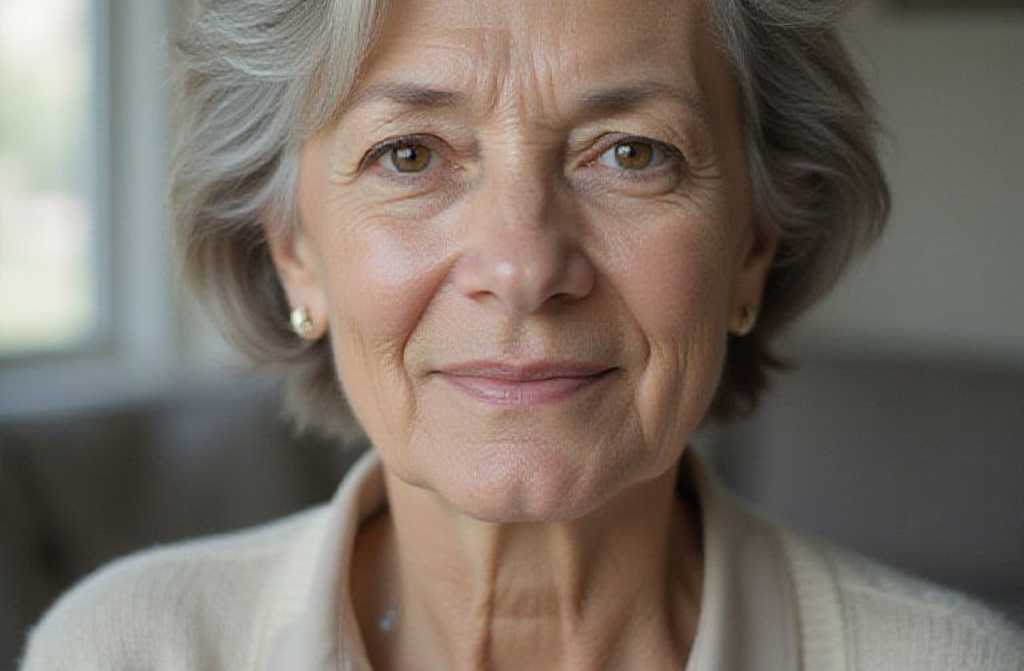
At sixty-eight, I became invisible to my own family. Then they remembered me.
My husband died when I was fifty-three.
Not from illness, not from an accident. From exhaustion. That’s how the doctor explained it. His heart just stopped. I think he was tired of life — he was always a quiet man who carried everything inside.
After he died, I was left alone with two grown-up children.
“Grown-up” — that’s too grand a word. They were in their mid-twenties. Already living their own lives. Their own flats, their own friends, their own plans. I understood. I didn’t hold it against them.
For the first three years I waited for phone calls.
Then I stopped waiting and started calling myself.
“Mum, I’m busy.”
“Mum, we’re on holiday right now.”
“Mum, maybe next week.”
Next week never came.
Once I called my daughter on her birthday. I wanted to wish her well. She answered after twenty seconds, said a flat “thank you” and hung up. Then I sat by the window for an hour and stared at the street. Just sat there.
The following year I didn’t call.
She didn’t call either.
That’s when I understood: if I wanted to live — I had to start living.
I was fifty-seven when I signed up for an Italian language course. Not because I planned to go to Italy. Just so I had somewhere to go in the evenings. So there would be people around. So my head would be occupied with something other than silence.
Then I signed up for watercolours. Then Nordic walking. Then I found a friend — Linda, another widow, equally quietly abandoned by her children.
We go to the café together on Fridays. We drink coffee with cake. We laugh at little things. Sometimes we cry. But more often we laugh.
I learned to live with small joys.
Then my son lost his job.
And suddenly he had a mother.
First he messaged me — the first time in a year and a half. Then he called. His voice was warm, familiar, kind of… needy. He said he’d missed me. That he’d been thinking of me. That he wanted to visit.
He came. He sat at my table, ate my soup and talked about how hard things were. I listened. I nodded. I topped up his bowl.
And when he asked if I could “help out for a while” — I calmly replied:
“I’ll think about it.”
He was surprised. He’d probably expected a different answer.
My daughter showed up two weeks after her brother. She brought flowers. Beautiful white ones. She asked how I was. She looked around my flat with a careful eye — the way you look when you’re calculating square metres.
“Mum, have you thought about moving in with us? We have room.”
I smiled.
“No, sweetheart. I’m fine here.”
She fell silent. Then she added:
“Well, if anything happens… you have savings, don’t you? You know, things aren’t easy for me and my brother either.”
I poured her tea. I handed her the sugar.
And I said nothing.
Because I had my answer ready long ago — just not for her.
I divided my savings into three parts. One — for my own old age. One — for the trip to Italy I’d dreamed of for twenty years. One — I donated to a charity that helps elderly people living alone. People like I was a few years back.
I’m sixty-eight now.
I have my friend Linda, my Italian course and a plane ticket for September.
I carry no resentment — resentment is too heavy; I left it long ago by that window where I once sat staring into emptiness.
But I have memory.
And a quiet understanding: love that only shows up when it needs something — that isn’t love.
It’s just need in a pretty wrapper.